Mickey Rourke, the well-known Hollywood actor, started his career in theater before rising to fame with roles in “9½ Weeks” and “Sin City.” During that period, Rourke was considered Hollywood’s ultimate heartthrob, but he chose to put his acting career on hold to pursue professional boxing. The ring may have cost him his looks, but it ultimately gave him the strength to return to cinema. Discover more about his challenging journey on new-york-trend.
The Future Actor’s Early Years
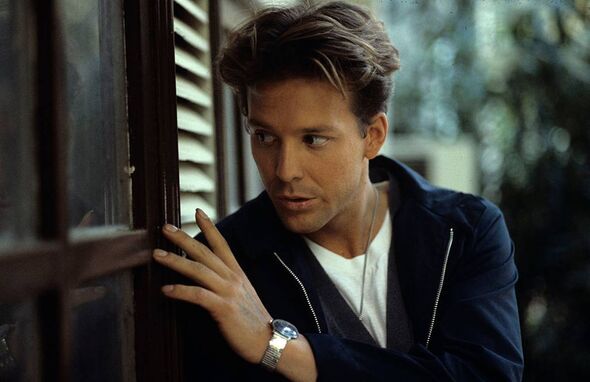
Philip Andre Rourke Jr. was born on September 16, 1952, in Schenectady, New York. His father was a huge baseball fan, and so, in honor of the famous player Mickey Mantle, he started calling his son Mickey. The family had two other children, but his parents’ marriage didn’t last long.
His mother moved with the children to Liberty City, where she married a former police officer. Her new husband would hit the children, and she would turn a blind eye. The actor later recalled having an intense desire to kill his stepfather but couldn’t bring himself to do it at the time. He never forgave his mother for her indifference and didn’t even attend her funeral.
As a teenager, Rourke mostly roamed the streets, associating with drug dealers and pimps. One day, he was invited into a boxing ring. The young man proved to be an excellent fighter. However, even then, boxing led to frequent and severe injuries.
Who knows how his fate would have unfolded, but one day a friend invited Mickey to act in a university play. The young man developed a taste for acting. What’s more, he decided it could become his profession. Rourke then left his criminal ties behind and enrolled in Lee Strasberg’s acting studio. He got in on his first try, even though the director only accepted five students out of thousands of applicants. Thus, Strasberg became the first to recognize Mickey Rourke’s acting talent.
Mickey Rourke’s Filmography: First Success
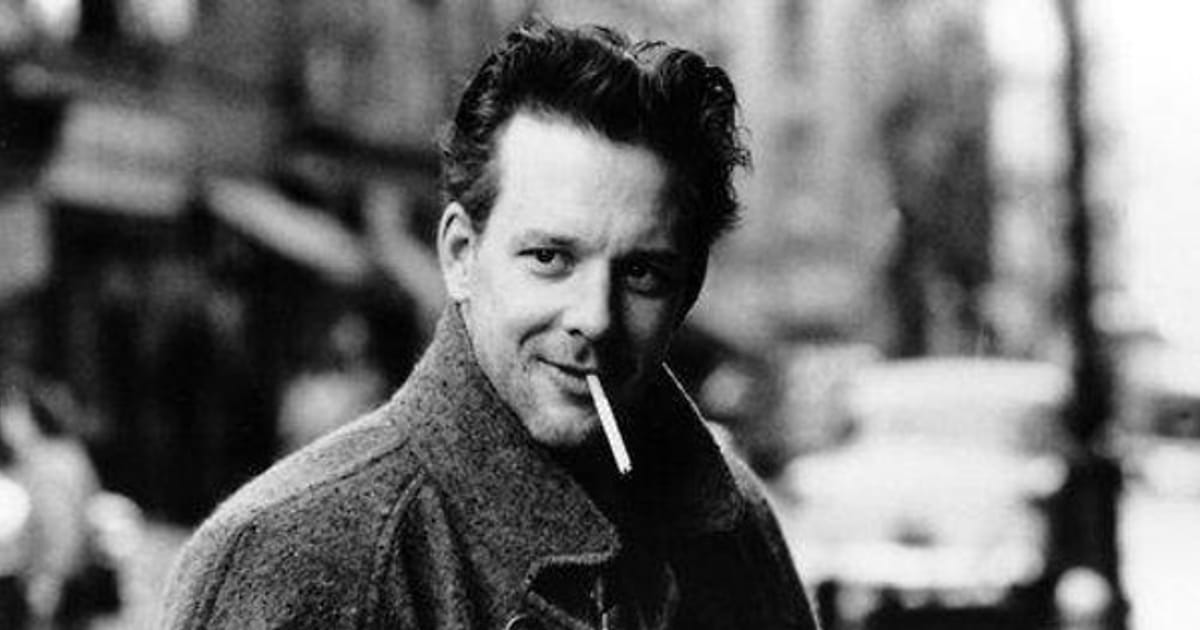
To earn money for tuition and living expenses, the future actor worked as a salesman, cleaner, and even trained fighting dogs. Eventually, he started getting invited for his first episodic roles in films.
A breakthrough in Rourke’s career came when Francis Coppola invited him to play one of the lead roles in the film “Rumble Fish” (1983). The film also starred Nicolas Cage and Sofia Coppola. The movie featured an original black-and-white palette with periodic flashes of color. The renowned director noticed Mickey Rourke’s talent, but this role didn’t bring him widespread fame in the U.S. Instead, he became popular and generally recognizable in Europe.
In 1986, audiences were presented with the film adaptation of Elizabeth McNeill’s novel “9½ Weeks.” The film’s title reflected the length of the relationship between the main characters, played by Mickey Rourke and Kim Basinger. For this role, the actor had to lose 33 pounds. During filming, the director demanded more cruelty from him, and on one occasion, he almost broke Kim’s arm.
The erotic melodrama became a cult classic, and Joe Cocker’s soundtrack song “You Can Leave Your Hat On” turned into a massive hit. Despite its wild success with audiences, the project received several Razzie Awards. In 1997, a sequel, “Another 9½ Weeks, or Love in Paris,” was released, but it failed to replicate the success of the first film.
Mickey Rourke’s next leading role was in the film “Angel Heart” (1987), which also starred Robert De Niro. This movie successfully blended the detective and horror genres. For the next few years, the actor was at the peak of his fame. He continued to film, receiving multi-million dollar fees. However, Rourke turned down many projects, including “Rain Man” and “Beverly Hills Cop.” In 1991, the film “Harley Davidson and the Marlboro Man” was released, starring Mickey Rourke and Don Johnson. The actors clashed intensely on set despite portraying friends. The film flopped at the box office. Rourke later said he only took part in the project for the money, and that this film marked the beginning of his career decline.
Break in Acting Career and Return to the Screen
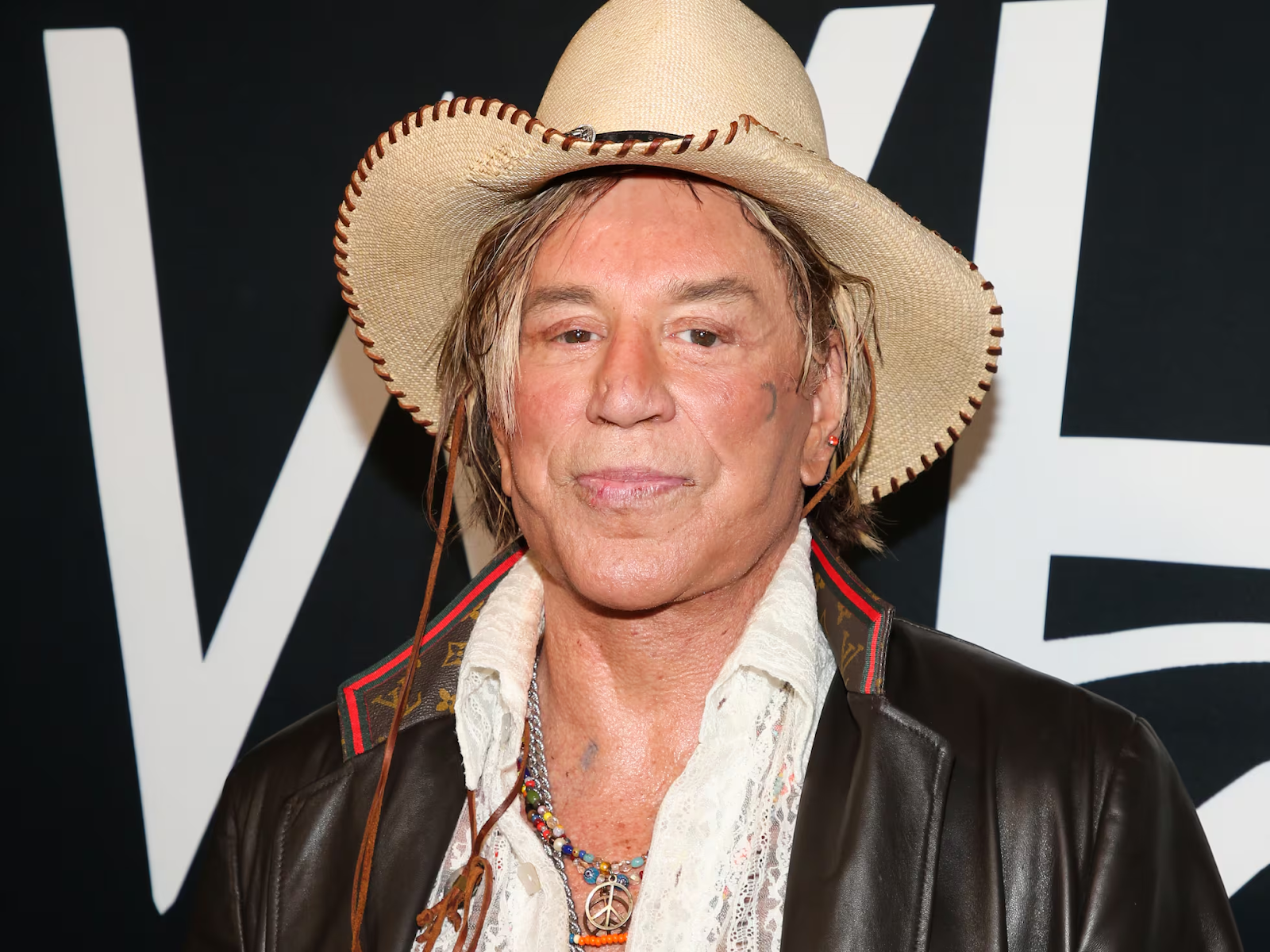
Afterward, the actor was increasingly offered only episodic roles. Scenes with him were even cut from the war drama “The Thin Red Line.” At that point, Mickey Rourke, with his characteristic impulsiveness, decided to put an end to acting and return to boxing.
It’s worth noting that he did continue to act a bit, but none of his 1990s films brought him fame. So, the actor focused on professional boxing. Eventually, the injuries he sustained, just like in his youth, forced him to leave the ring.
This was a difficult period in Mickey Rourke’s life. His fortune was dwindling, and his health and appearance needed restoration. The former heartthrob began undergoing plastic surgeries to regain some semblance of his old self and be able to return to movie sets. The actor found the strength to overcome his life crisis and, in the 2000s, began a new ascent to popularity.
One of the notable new films featuring him was “Sin City” (2005), and true success came with the movie “The Wrestler” (2008). For filming, Rourke got into shape, trained extensively, and learned the basics of wrestling. The film included real professional wrestlers, one of whom the actor fought in the final scene. Despite the demanding role and new injuries, Rourke received the recognition he craved, along with a Golden Globe and an Oscar nomination. Following this success, the actor continued to work in film:
- In 2009, “The Informers” was released, featuring him.
- He played a neo-Nazi in the crime melodrama “Night Walk.”
- The drug drama “Adverse” premiered in 2020.
- The actor also starred in the World War II film “Warhunt.”
He didn’t achieve explosive popularity at this stage of his life, but he managed to solidify his reputation and remains a sought-after actor.
Mickey Rourke’s Personal Life
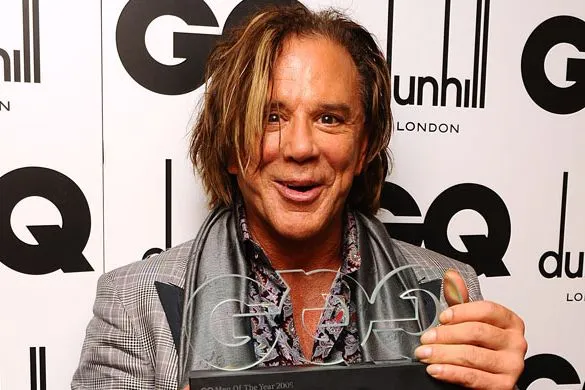
While many rumors surround Mickey Rourke’s personal life, there’s also verifiable information about his long-term relationships. In 1981, he began dating actress Debra Feuer and married her. This marriage lasted eight years.
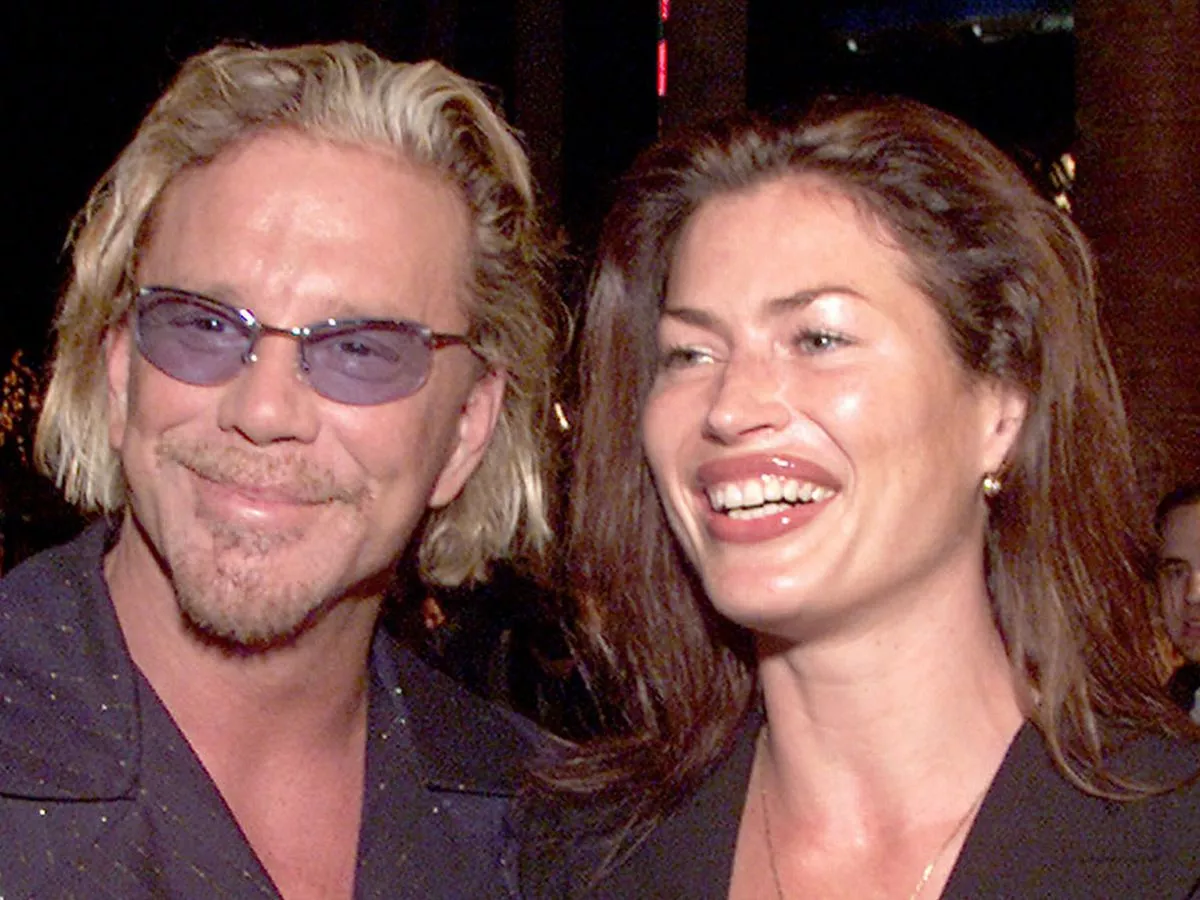
During the filming of “Wild Orchid,” the actor met Carré Otis and soon married her. This marriage also lasted about eight years. According to Rourke’s recollections, his wife used drugs, which became the main reason for their divorce. The actor tried to confront drug dealers and repeatedly beat them. There were also attempts to help Carré get treatment, but she preferred to leave her husband, who was interfering with her “fun.” This was a heavy blow for Rourke. During this time, his younger brother also passed away, further deepening his depression.
In 2009, the actor began dating Russian model Anastasia Makarenko. The woman was 35 years his junior, but Rourke intended to marry her. This relationship ended after five years. After that, he was linked to romances with Elena Kuletska and Irina Koryakovtseva.
As of 2025, he remains unmarried and has no children. Instead, Mickey Rourke adores his Pomeranians and Chihuahuas. He often posts photos with them on social media and has told journalists that his dogs prevented him from committing suicide during a period of depression. At that time, the actor thought about who would take care of them.
Currently, Mickey Rourke continues to act in films and also participates in reality shows. In 2025, he was invited to the popular British project “Celebrity Big Brother,” where cameras observe celebrities 24/7. Producers are counting on the film star’s notorious personality, whose eccentricities are periodically reported in the media.