Duke Ellington is a legendary name in the history of American music. His star shone brightly from a young age and continued to influence the world even after his death. Pianist, composer, conductor, leader—the man took on many roles and was equally successful in all of them. He also fought for his own place in society and for the opportunities of the community he belonged to. The musician is imitated, admired, and his work is studied down to the smallest detail. What made him the voice of many generations? That’s what we’ll explore on new-york-trend.
Duke’s Youth
Edward Kennedy, also known as Duke Ellington, was born on April 29, 1899, in the U.S. capital, Washington, D.C. He had the misfortune of being born at a time when his country was at the peak of racial segregation. What the musician was definitely lucky with, however, was his family. His father created blueprints for the United States Navy, worked for a catering company that serviced the White House, and also worked part-time as a butler, while his mother focused on raising young Edward. Moreover, they both played the piano, so music always filled the home. The boy was quickly involved in this pursuit, starting lessons at the age of seven. From his mother, the future musician inherited impeccable manners and a refined style. She cared for her son and wanted him to grow up to be a worthy person. And so it happened, as his friends nicknamed him “Duke” from childhood. That is why the world came to know the musician by the name Duke Ellington.
Besides good manners and a kind disposition, the young man had many other virtues. From his father, he inherited a strong character, responsibility, and an entrepreneurial streak. Duke was an active child, so in his early years, it was hard to find him at the instrument. Instead, the boy was interested in baseball and looked for ways to earn money. As a teenager, he had already tried his hand at many activities. Ellington sold peanuts, delivered soda, and earned money with his talent as an artist.
Meanwhile, his mother took Duke to various concerts, and the boy watched pianists more and more, discovering a love for piano music. It was then that learning sheet music, harmony lessons, and more time playing the instrument were added to his schedule. At 15, Duke wrote his first composition, “Poodle Dog Rag,” naming it after the establishment where he worked at the time. Beyond the numerous music lessons, there was something that couldn’t be taught: Ellington’s exceptional ear, which helped him with his creative work. After turning down an art scholarship, Duke chose the path of a musician.
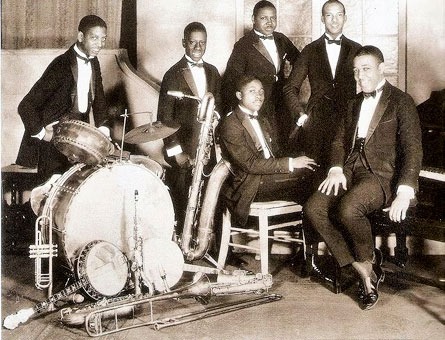
On this path, his talent, hard work, and smart approach helped him. For example, when he painted signs for establishments, he would immediately ask for the opportunity to perform with his group. Ellington also placed ads in the newspaper, offering his services alongside other musicians. And the bookings started pouring in. By the way, it was then that Duke formed his first group: The Duke’s Serenaders. With them, he traveled to countless cities, performed at various events, established himself as a musician, and managed to earn enough to buy his own home, moving out of his parents’ house. And when his home state was conquered, the 24-year-old left everything and moved to New York City. This very city became his next step on the path to fame.
Conquering New York
In 1923, Duke Ellington first came to conquer New York. He and his band ended up in the famous Harlem—a neighborhood that was a mecca for Black creators. Here, people danced, painted, created, played music, and discussed political issues. So the musicians saw this neighborhood as a true paradise, something Duke never tired of saying. Interestingly, the city did not embrace the group right away. After just a few months, Ellington returned home, but not for good. After securing a contract with a club, the musician once again set off on his creative search. That’s why in 1924, New York learned about the group The Washingtonians, which played at the Kentucky Club. Duke studied new styles and sounds, recorded records, wrote songs, and honed his skills as a musician. At the same time, the group performed in clubs, at parties, and at other events. Despite their recognizable style, fame was still waiting somewhere else.
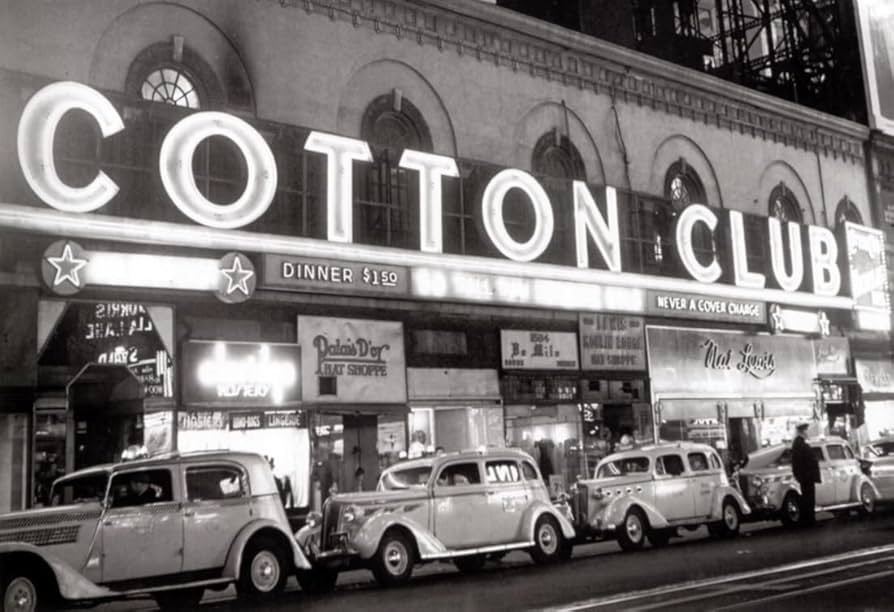
And that place was the Cotton Club, where Ellington auditioned in 1927. The establishment was looking for an orchestra and a leader to head the group. Expanding the team to 11 people, Duke and his group perfectly met the requirements. His agent, Irving Mills, with whom he had signed a contract in 1926, played a crucial role in this. He took on many of the organizational matters so that Ellington could focus on his creative work. And then, popularity came to the musicians. The group’s performances were broadcast on the radio, the club’s audience went wild for their shows, and other artists gladly agreed to collaborate. Ellington began appearing in films, and his songs became iconic. “Creole Love Call,” “Mood Indigo,” “Sophisticated Lady,” “It Don’t Mean A Thing,” and many other hits allowed the orchestra to go on tour and perform at famous venues in New York and across the country. Audiences in other places were just as eager to see them, meaning Duke Ellington and his orchestra had become world stars.
A legendary performance by Duke Ellington’s orchestra was at the Newport Jazz Festival in 1957. Since the orchestra’s career had declined during World War II and in the post-war years, this performance managed to bring back their former glory. People became interested in Duke’s work again, and he even landed on the cover of Time magazine. This allowed the group to delight audiences for a while longer. But Ellington never lost his inspiration. He began composing for films, recorded sacred music concerts, collaborated with singers, and conquered new creative heights. And whatever the musician took on, he achieved success.
The Musician’s Personality
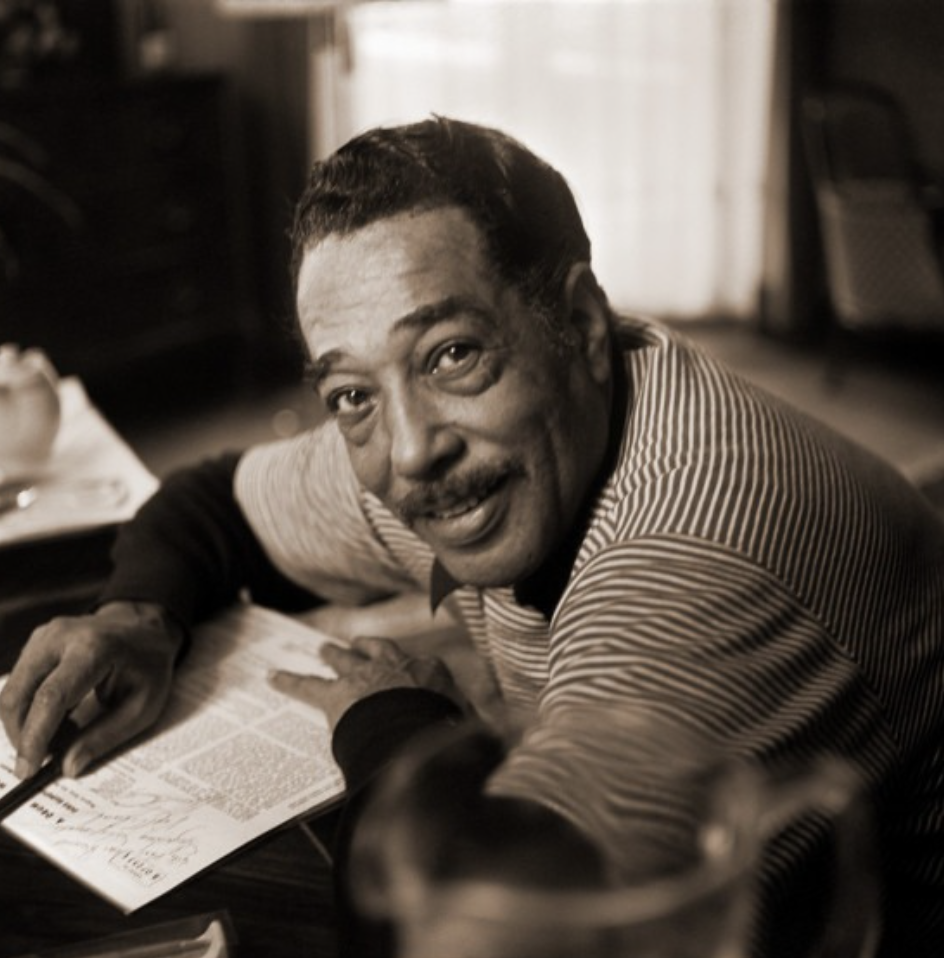
It can be safely said that Duke Ellington lived for music. His friends noticed it, and the musician himself admitted to this pleasant addiction. Alongside his enormous talent was an equally great personality. He was an authority figure for his orchestra, an interesting person to his acquaintances, and an inspiration to many musicians worldwide. And although we can categorize his work as jazz, Duke didn’t associate himself with any single genre. The same was true in his life. The man had his own opinion on everything, but he hated being pigeonholed into any category. He was also a man of contrasts. He was described as both a conservative and an innovator, a serious man and an adventurer, a responsible musician and someone with a childlike curiosity. However, Duke never betrayed what was in his soul.
Ellington loved every part of the creative process. The musician enjoyed playing the piano, conducting, writing lyrics, and composing music. He led his orchestra from the piano bench and was 100% engaged in the process, believing that there would never be a more perfect moment than the present. Although Duke was talented in many areas, no one ever noted any egoism in him. He sought to highlight the individuality of each musician in the group. That’s why Ellington would get to know the person and create a part specifically for them.
He drew his inspiration from life. From the very first minute, he fell in love with the city of his creativity: New York. Its streets gave birth to many of Ellington’s masterpieces. Sad events also influenced Duke. When his mother died, he composed a piece for her while on the road during a tour. Through his works, the man also spoke about social problems. An example of this was the musical “Jump for Joy,” in which he spoke out about the segregation of the Black population. When asked to share his opinion on something, he would say that everything was in his compositions. Duke considered music a means of uniting people, which he persistently proved. And the greatest moment of unity was a concert, where the musicians and the audience experienced the same emotions.
Duke Ellington impressed with his manners and charisma. He knew how to capture the public’s attention, and his colleagues listened to him. His friends noted Duke’s elegance, erudition, wisdom, and wit. They also called Ellington America’s greatest composer. And the musician was so dedicated to his work and his orchestra that he worked until the very last days of his life.
Legacy
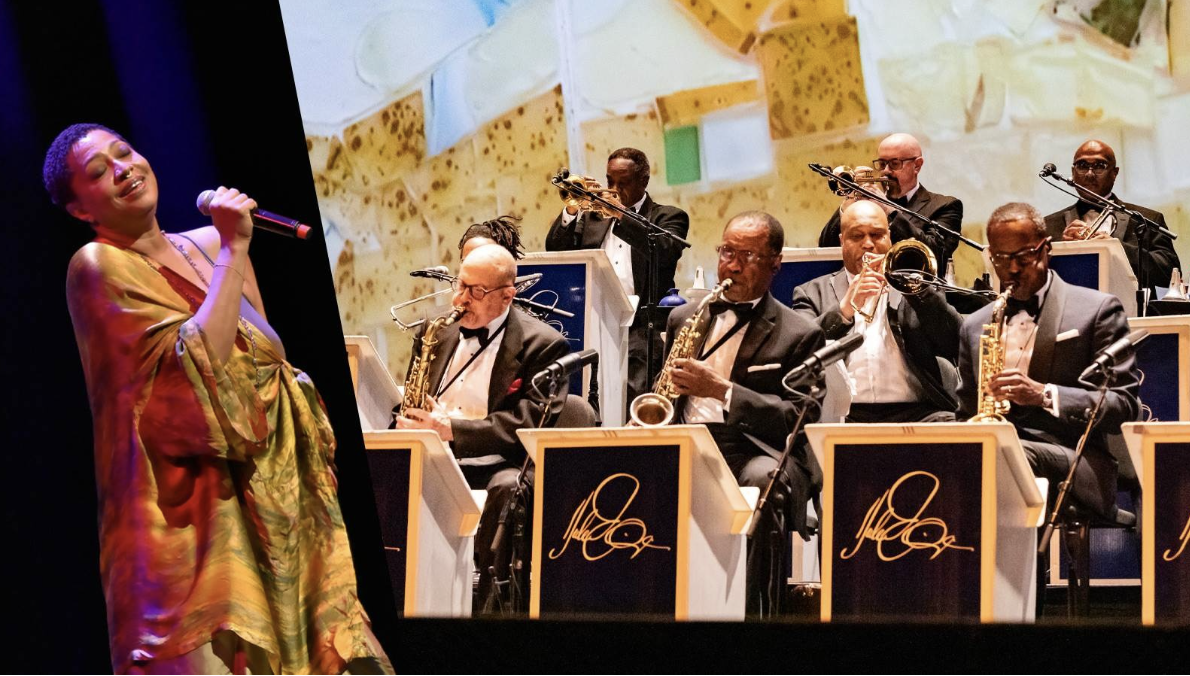
Duke Ellington’s death did not put an end to his influence. The musician left behind a considerable legacy, which manifests in various forms. The most important contribution, of course, is his body of work. The musician created countless works for future generations of listeners and many pieces that were awaiting release. An important initiative was his concern for the orchestra, for which Duke saved funds and a repertoire. This allowed his colleagues to continue touring. After that, Ellington’s son, Mercer, who followed in his father’s footsteps, took over the initiative. He managed the orchestra, just like Duke, until his own death. The musician’s family did an incredible thing: they ensured the continuation of The Duke Ellington Orchestra. That is why the famous composer’s songs still resound in venues all over the world. The orchestra travels, creates music, and performs legendary works at large functions, private events, universities, and more.
Duke did not leave his countrymen indifferent either. Many memorials, educational institutions, concert venues, and festivals have been established in his honor. Young musicians can study, be inspired, and forge their own paths, following Ellington’s example. And many performers have already done so, dedicating their works to the outstanding composer. Thanks to his love for music and his hard work, Duke received numerous awards, honors, and tokens of respect. And although many of them were awarded posthumously, Ellington made his mark on music history during his lifetime.