You’d be hard-pressed to find a music fan who hasn’t heard of the band KISS. Its members took the music industry by storm and became a blueprint for others. Unforgettable performances, a meticulous brand strategy, commercial success, and hit albums—this is the formula countless musicians worldwide are still trying to crack. Meanwhile, listeners got the chance to not only watch this success but to become part of the massive KISS ARMY. So, it’s time to dive into the phenomenon of these iconic rockers from New York. More at new-york-trend.
The Band’s Formation
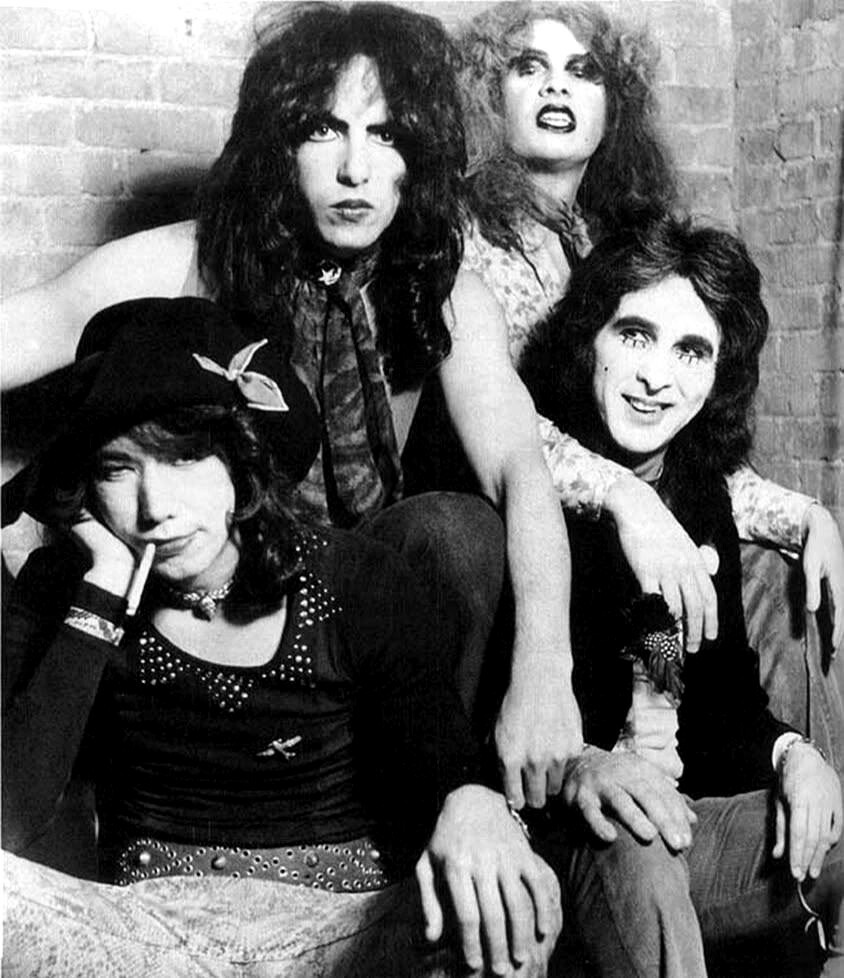
The band’s story began in 1973 in New York City. This is where the musicians came to fulfill their potential. And, as if by a twist of fate, they found each other among the crowd. While Gene Simmons and Paul Stanley already knew each other, they had to search for the other two members. That’s what Gene and Paul decided after leaving Wicked Lester in 1972. The rockers were craving something new and high-energy. As soon as they saw an ad in Rolling Stone magazine for drummer Peter Criss, they set their sights on the talented musician. They played as a trio for two months until guitarist Ace Frehley came to audition. He impressed them so much with his playing that, soon enough, he was in.
While the band was still wandering in obscurity for its first few months, a completely new phase began once the legendary foursome was formed. All the musicians had big ambitions, dreams, and hopes. Most importantly, they all shared the same vision. The beginning of 1973 also marked the beginning of KISS. New lineup, new name, and a new image—the musicians aimed to start a revolution in the music world. On January 30 of that year, the rock band played its first show at the Coventry club. Truth be told, the show was mostly attended by their friends and family. As the musicians themselves recalled, their signature look didn’t exist yet. The four of them came out in regular clothes, which their mothers had decorated, awkwardly shuffled from one end of the stage to the other, and shouted greetings into the microphone to people they knew. After earning $50 for their work, the musicians decided they needed to change their approach to make it to the top.
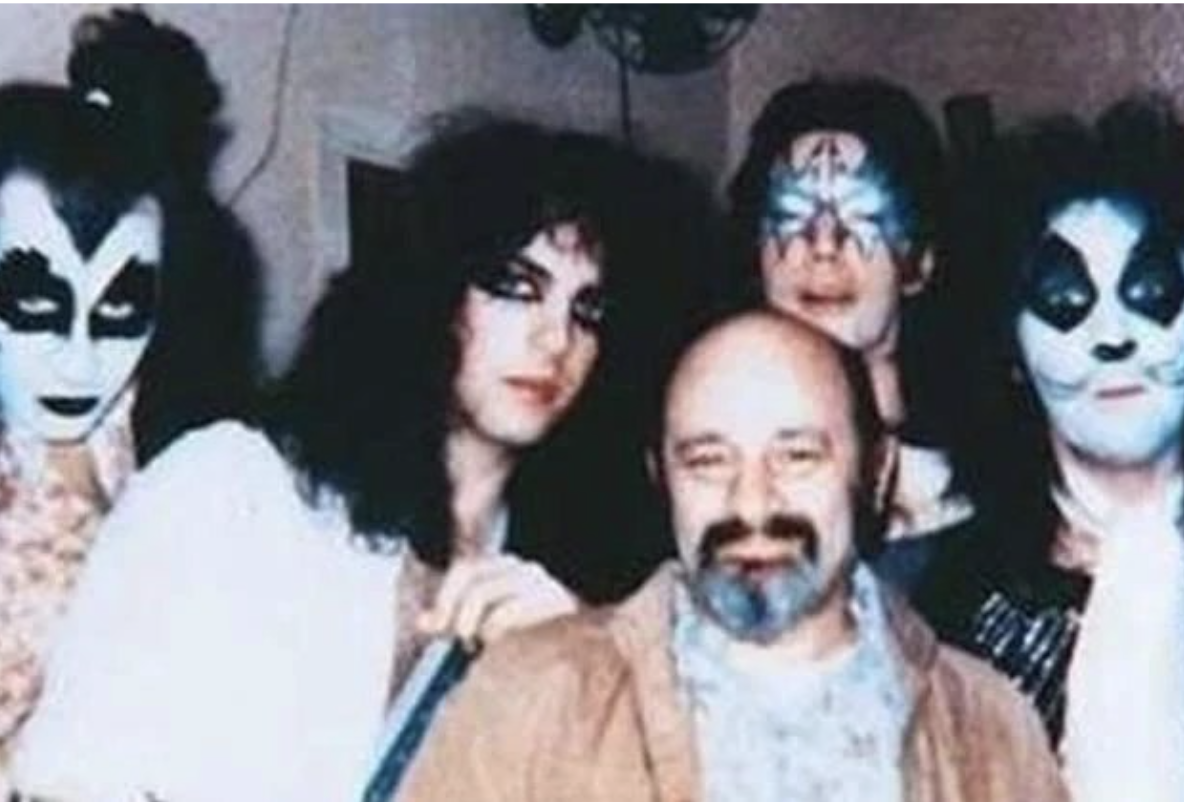
And that happened when they hired Bill Aucoin as their manager. He, in turn, signed the band to Casablanca Records. The “sex symbol” image didn’t suit the guys, and just playing music wasn’t enough for them. From then on, KISS bet everything on high-energy, wild performances, and incredible spectacle. Each member created their own persona to transform into during shows, and Aucoin brought in people to teach the guys a few tricks. The band began to put on true spectacles for the public. The musicians breathed fire, smashed instruments, spit blood, and used pyrotechnics and insane lighting effects. Very quickly, KISS gained a popularity that had little connection to their record sales. The band became a crowd favorite, their concerts were legendary, and their schedule was packed. Despite this, the label was losing money, albums weren’t selling, and the songs weren’t climbing the charts.
It was then that the band made an unpopular decision: to record a live album. KISS knew its strengths and decided to showcase them in another way. The musicians recorded concerts in different cities on their tour and meticulously compiled them for the album. And so, on September 10, 1975, the world saw Alive, which set the band up for takeoff. Then, in 1977, their second live album, Alive II, solidified KISS’s place among rock music stars.
Ups and Downs
The evolution of KISS is a unique story of popularity, fame and despair, victories and defeats. The band immediately won over the public thanks to its live performances, and creating live albums was the step that took them to a new level. It was after Alive and Alive II that the musicians got a taste of real success. Moreover, this work helped them realize they needed to take the music itself more seriously. The team now worked meticulously on their release covers, sound, mixing, and other details. The result of these efforts was the incredibly successful albums Destroyer, Rock and Roll Over, and Love Gun. Fame hit the musicians so fast they barely had time to grasp their influence. Touring, traveling the world, invitations to high-profile events, and interviews—1975-1978 were the golden years for KISS.
However, behind the famous name were ordinary people who had emotions, argued, felt sad, and celebrated. That’s why their path couldn’t be a straight line, and soon, the first changes awaited KISS. By 1979, conflicts within the group became public. Simmons, Stanley, Frehley, and Criss could no longer get along as well. In 1980, the band’s integrity was broken by Peter Criss, which was the beginning of the end for their stability. New people were constantly auditioning for the drummer’s spot, KISS experimented with its style, and the band’s new direction increasingly dissatisfied Ace Frehley. In 1982, the musician made the decision to leave the band. Eric Carr, Vinnie Vincent, Mark St. John, Bruce Kulick, Eric Singer—the band was actively searching for its new lineup.
In 1996, an incredible event happened for both the band’s fans and the entire music world. KISS announced its reunion. This meant that Gene Simmons, Paul Stanley, Peter Criss, and Ace Frehley were performing on stage together again. They embarked on a tour that made them the highest-grossing touring act of that year, recorded incredible albums, received a Grammy for the song “Psycho Circus,” and won many other awards together. However, after years of working together, conflicts began to arise between the members again. In 2003, Frehley left the group, and in 2004, Criss’s contract expired. In their place, Tommy Thayer and Eric Singer joined KISS. The band lasted for 50 years, embarking on a farewell tour in 2019. Their final performance took place in New York City in 2023, which was a symbolic event, as this is where it all began.

The Business Model
The band KISS became a phenomenon in many aspects of its work. Under their belt, they have the title of the most popular rock band, platinum albums and incredible hits, insane shows, massive fortunes, and a huge fan club. And although the band’s work was often criticized by their peers, they couldn’t deny the team’s excellent operation. And that’s because they managed to build a stable business model.
The story of KISS is full of interesting moments, gossip, scandals, and colorful episodes. Many might think that the band was just lucky. However, that’s what those who haven’t looked deeper into how this project operated might think. The first part of its triumph was, of course, the four talented and ambitious musicians who united for a common goal. They were the ones who came up with the band’s name, which is considered 100% successful. It’s concise, catchy, defiant, and has powerful branding. And although there was much discussion surrounding its alleged connection to Nazi symbolism, this PR only worked in the band’s favor. What’s more, the musicians even encouraged this talk by giving vague answers. And that just drew more attention to the band.
The collaboration between Bill Aucoin and KISS was also successful. The manager did his job perfectly and added marketing to their creativity. As a collective decision, the band found its style, realizing that the members wanted to be monsters. Each one came up with their own story, makeup, and mannerisms. And Bill put the finishing touch on it by adding a few tricks. The team presented the public with a new product featuring high-energy songs, spectacular shows, and unforgettable images. It gave people the spectacle they had been waiting for. And this was the result of a collaboration between creative people, managers, and producers.
And just when it seemed the band was at its peak, it managed to surprise even more. The musicians became comic book heroes, movies were made about them, and their logo was on everything imaginable. T-shirts, mugs, lunch boxes, posters, masks—everyone could become a part of the KISS ARMY. Although the band’s life seems very rock-and-roll, its success is a clearly thought-out strategy. The team aimed to create a KISS culture, and they succeeded, which is a prime example of a successful business model.

The KISS Philosophy
Though the band had many members over the years, the ones who breathed life into it were the original four. KISS is the creation of Gene Simmons, Paul Stanley, Peter Criss, and Ace Frehley. Each of them brought a piece of their soul, talent, and personal vision to this project. And the public responded to this, reacting best to these guys’ concerts and demanding real rock, the kind they had at the beginning. The musicians not only created music but also managed to found an entire culture around KISS. People listened to the songs, came to the shows, bought merch, and proudly joined the fan club. And what attracted them was the story the musicians told.
Indeed, the band always set the highest goals for itself. Its philosophy was hidden in one simple phrase: “Who dares, wins.” That’s why KISS aimed to create a project that had never existed before. And the team managed to start a new era, to present a different vision to the world. The guys considered the formula for success to be constant forward movement and development. As they said, everyone should enjoy their work and climb one step higher every day. However, the musicians were never fully satisfied, because, in their words, that “is a path backward.”
The band paid no attention to critics who said its popularity was just luck. The team knew that such achievements were the result of hard work. Their fans, however, were treated with special love. That’s why after 50 years on stage, KISS ceased its activities. And although it was with tears in their eyes, the band wanted to be remembered by its listeners only at their best.