Originally written by John Kander and Fred Ebb for Martin Scorsese’s 1977 musical drama New York, New York, the song was first performed by Liza Minnelli. However, it was Frank Sinatra’s later cover that transformed the track into the city’s unofficial anthem—a symbol of resilience and a musical beacon during the city’s darkest hours. Here is on new-york-trend.com the story of how a movie theme became the heartbeat of the Big Apple.
A Hit Born of Ambition and Friction
In the late 1970s, New York City was exhausted and teetering on the edge. The city that once embodied the dream of limitless opportunity was reeling from an economic downturn, crushing debt, rising crime, and a crumbling infrastructure. The streets looked weary, and its people felt disillusioned. Yet, despite the decay, New York still needed a voice—a song that could articulate its character without sugar-coating or sentimentality. It needed something sharp, honest, and loud. That song turned out to be the “Theme from New York, New York,” and its creation was almost an accident.
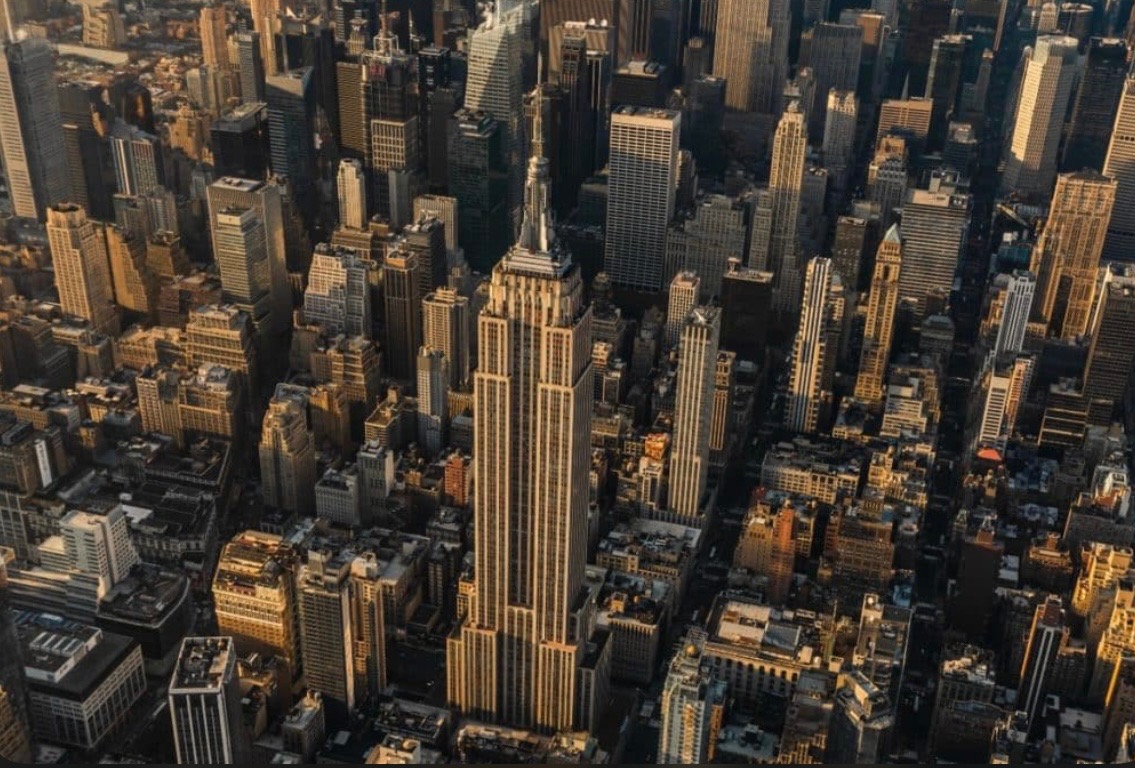
In 1977, composer John Kander and lyricist Fred Ebb were scoring Scorsese’s film—a stylized, large-scale project exploring the jazz era and the volatile intersection of art and ambition. After the duo presented their initial songs to the director and the film’s leads, Liza Minnelli and Robert De Niro, they thought their work was done. But after hearing the title track, De Niro pulled Scorsese aside. He was blunt: the theme wasn’t strong enough. It lacked the city’s scale and the emotional tension required for the finale.
The criticism was painful, but it proved to be a turning point. Kander and Ebb were given one more shot. They went back to the piano—fast, focused, and admittedly a bit annoyed. It was in this state of creative agitation that the new song was born, carrying a completely different mood and message. It opened with Kander’s signature musical “vamp”—that haunting, repetitive ragtime note that sticks in your brain instantly. And the opening line, tossed out by Fred Ebb almost by instinct, would go on to become legendary:
“Start spreading the news…”
Liza Minnelli performed the song in the movie, and her version was the first to appear on the soundtrack. While the film itself was a commercial disappointment and received mixed reviews, the melody proved far more powerful than the context of its birth. It broke free from the silver screen and took on a life of its own. Since then, the song has survived decades, economic collapses, generational shifts, tragedies, and pandemics without losing an ounce of its punch. It became the definitive formula for New York: part challenge, part promise.
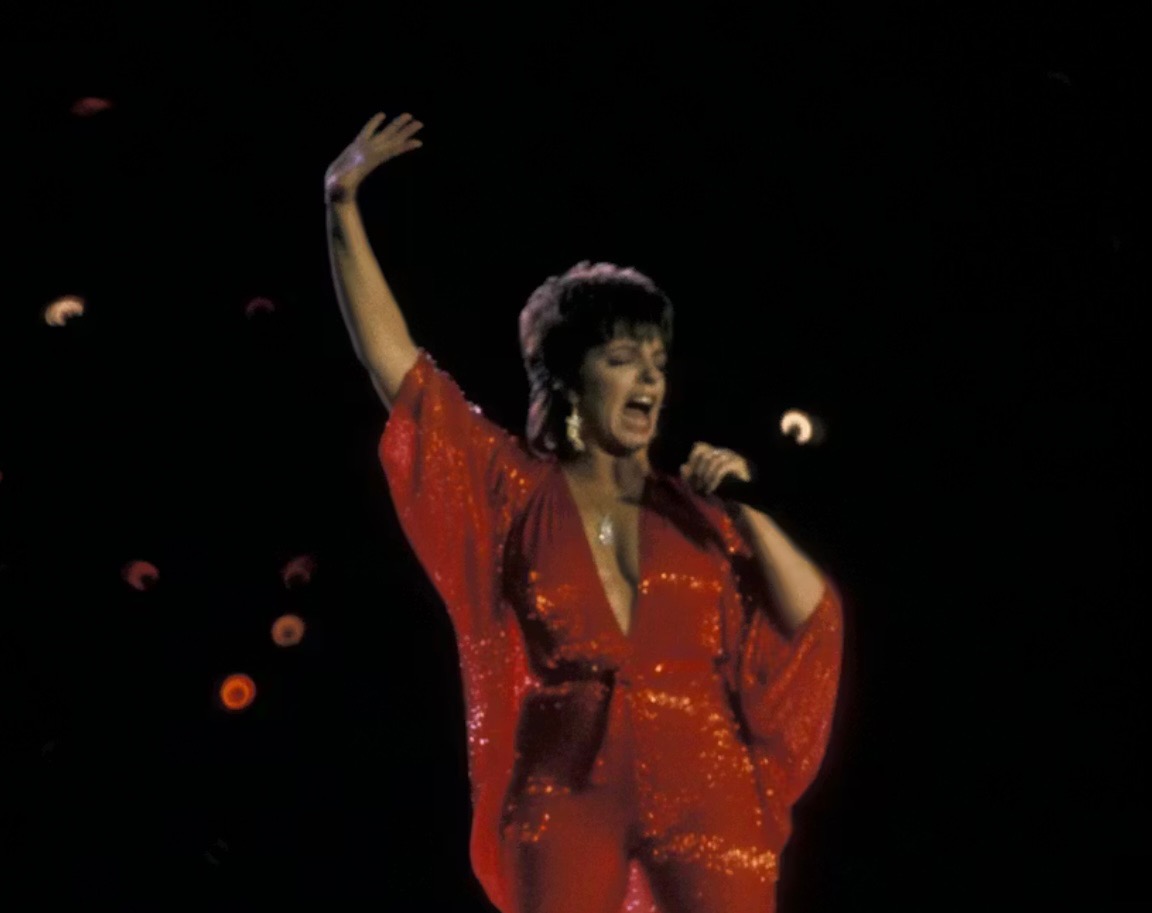
This is no longer just a movie song; it is a manifesto. It is a statement about self-belief and seizing your one shot. It speaks of a city that guarantees no easy path but generously rewards those brave enough to risk it all. It is about a place that tests your mettle—because if you can make it there, you’ll make it anywhere.
Not All at Once, but Forever: How the Song Found Frank
Frank Sinatra never chose a song on a whim. His repertoire was curated with precision, not impulse. To find the right material, he relied on a small circle of people who could “hear the future”—those who could sense when a melody was destined for greatness before it ever hit the charts. One such person was Frank Valmeri, better known as Vinnie Falcone—a longtime collaborator, musical partner, and confidant who knew exactly which songs were worthy of that voice and that style.
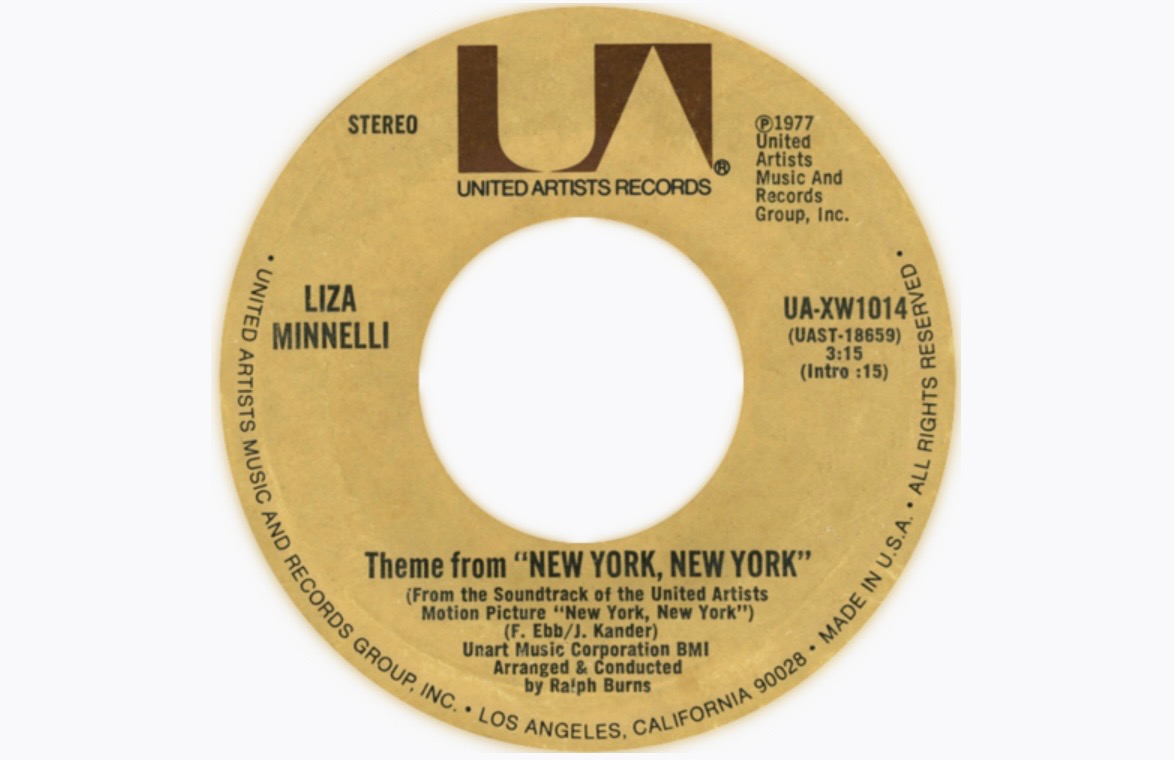
When Sinatra was first sent the recording of the “Theme from New York, New York,” he didn’t rush into the studio. The song sat in a sort of limbo, waiting for its moment. The final green light wasn’t given until the sheet music landed on Vinnie Falcone’s piano. It was only then, played in the right tempo and with the necessary weight and grit, that everything finally clicked.
Sinatra first began performing the song in the fall of 1978. It didn’t debut as a standalone powerhouse or a concert finale; instead, it made a modest entrance as part of a New York-themed medley. It sat alongside time-honored tracks from the musical On the Town and standards like “Autumn in New York” and “Sidewalks of New York.” In that context, it wasn’t an anthem yet—it was just a new voice among familiar friends.
The arrangement was handled by Don Costa, one of Sinatra’s most sophisticated musical architects. Costa built a theatrical, slow-burn overture that teased the audience, gradually leading them toward that explosive, familiar chorus.
The crowd’s reaction was immediate and undeniable. Audiences were hungry for this specific song, even if they didn’t yet realize why. The applause lasted longer than usual. People begged for encores and walked out of the venue talking about that one specific moment. Sinatra felt the shift. He began moving “New York, New York” later and later into his sets, eventually displacing his traditional closer, “My Way”—the song that had served for years as his personal autobiography.
On stage, from one city to the next, Sinatra “raised” the song into its definitive version. He added his signature rallentando—that dramatic deceleration at the climax—which changed the song’s very DNA. It transformed from an optimistic show tune into a declaration of power, resilience, and hard-won experience. It was no longer just a song about a city; it was the statement of a man who had walked the walk and earned the right to say, “I survived.”
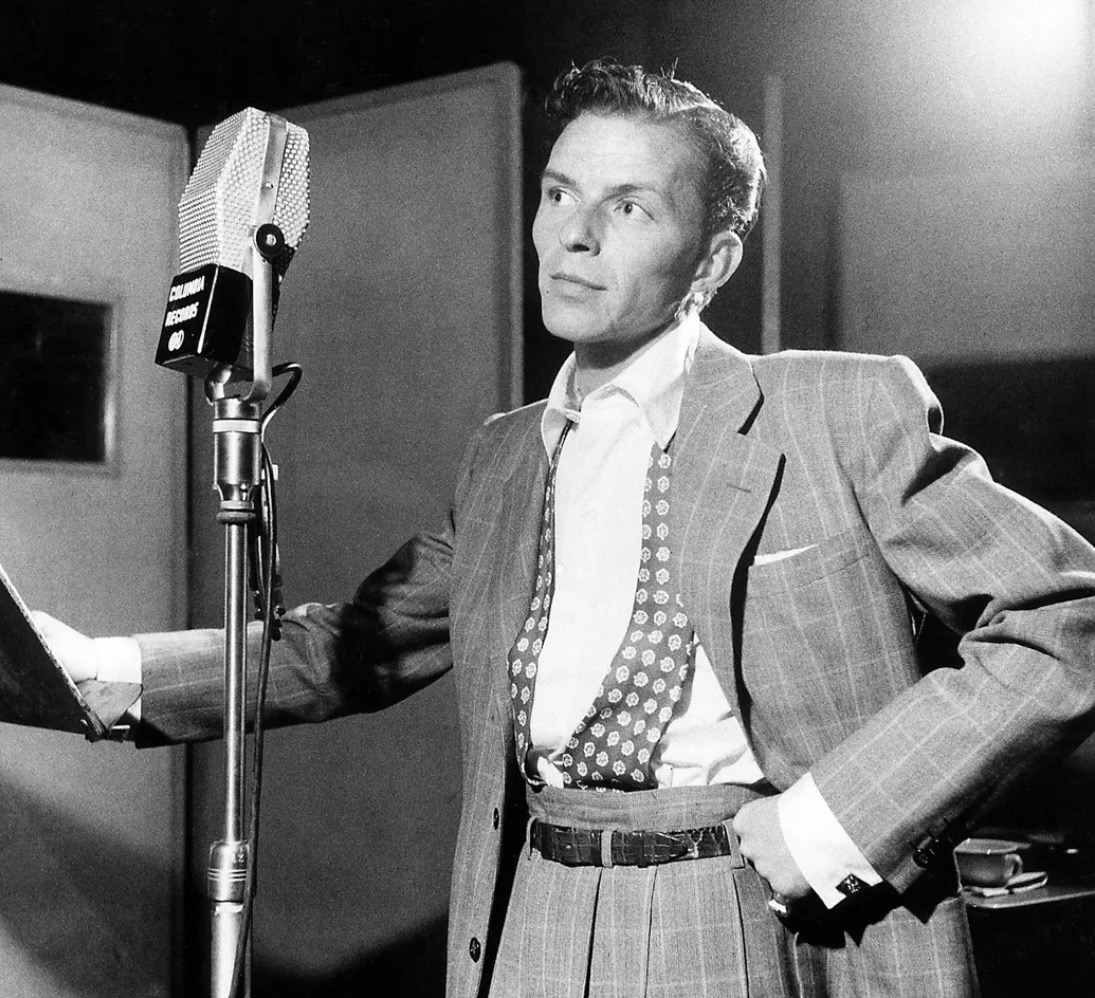
By 1980, the verdict was in: “New York, New York” became his permanent grand finale. The song was no longer someone else’s—it belonged to him.
One Voice, One City, One Song
The recording for the 1980 album Trilogy: Past, Present, Future cemented the song’s legendary status forever. Sinatra’s version became his definitive trademark, while Don Costa’s powerhouse orchestration earned a Grammy nomination. The Chairman of the Board occasionally performed it as a duet with Liza Minnelli, often joking that she was “loaning” him her song.
While its initial commercial success was modest, its symbolic weight was immense: it became Sinatra’s final Top 40 hit, charting across the U.S., Canada, and Mexico. More importantly, it became the sonic identity of New York during an era of extreme hardship. Throughout the 1980s, as the city grappled with poverty, the drug crisis, and the AIDS epidemic, Sinatra’s voice—sharp, confident, and relentlessly optimistic—sounded like a guarantee that the city would endure. In 1985, Mayor Ed Koch unofficially declared it the city’s anthem. Following the 9/11 attacks, it transformed once again into a song of recovery, echoing through Times Square and TV broadcasts as a rallying cry to bring people back to the Broadway theaters. For Sinatra, the song was an autobiography. The kid from Hoboken who grew up staring at the Manhattan skyline across the Hudson had finally become the voice of that city.
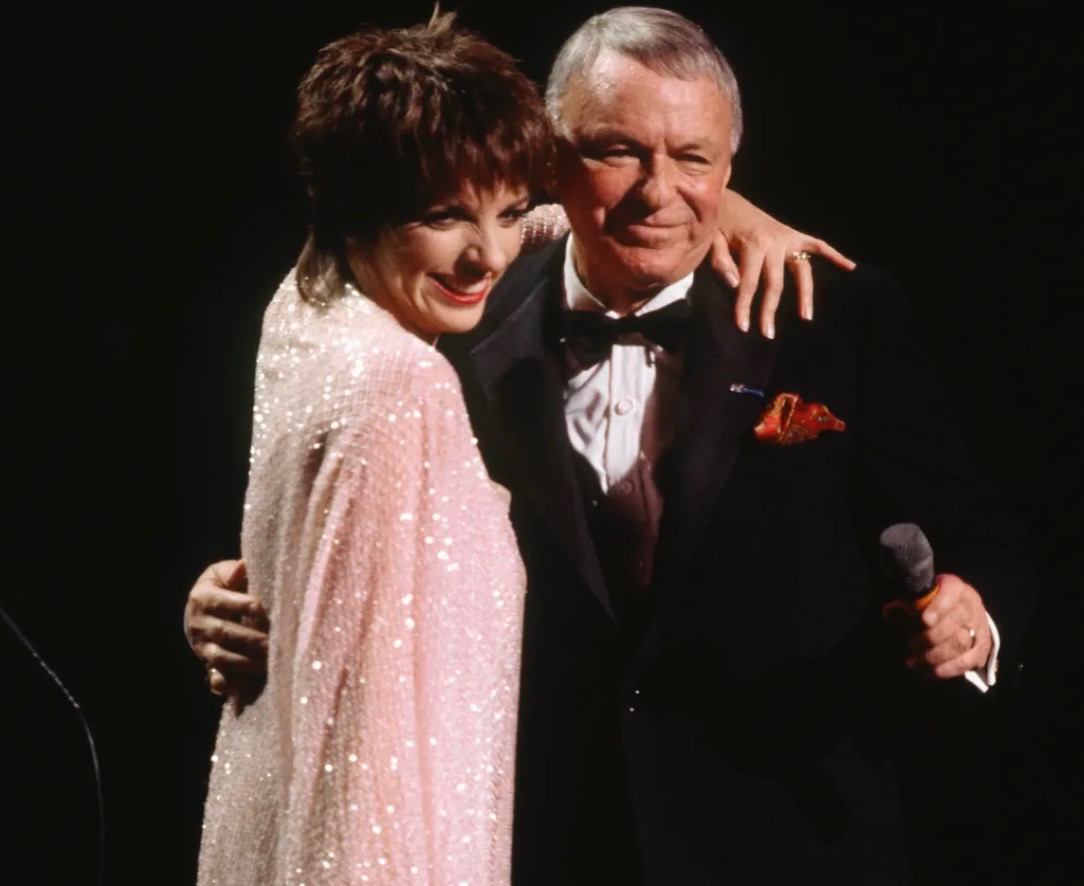
When he sang,
“If I can make it there, I’ll make it anywhere,”
it wasn’t just a lyric—it was a fact. While Kander and Ebb may have written it for someone else, in the world’s collective memory, it belongs to one city and one man who made it immortal.
A Melody of Triumph and Memory
Over time, New York, New York has become the soundtrack to the city’s celebrations. You’ll hear it wherever New York unites: at weddings, in public squares, and throughout its massive stadiums.
The song’s most enduring bond is with the New York Yankees. Since the summer of 1980, it has played at the conclusion of every home game. Originally, there was a playful tradition: the stadium would play the Sinatra version after a win and the Liza Minnelli version after a loss. Following Minnelli’s lighthearted protest, the stadium switched to Sinatra exclusively for decades—a tradition that stood until the 2025 season, when the club decided to rotate tracks after losses. The song’s reach extends across the city’s sports landscape, from the Rangers at Madison Square Garden to the Knicks, Mets, and the Belmont Stakes. It is the unmistakable musical signal that says,
“This is New York.”
Beyond the arenas, the track has lived a vibrant life in pop culture. It has been used in everything from cream cheese commercials to the film Highlander, where a snippet was famously sung by Freddie Mercury. Liza Minnelli has performed it at the city’s most pivotal milestones: the rededication of the Statue of Liberty in 1986 and the legendary first post-9/11 game at Shea Stadium in 2001.
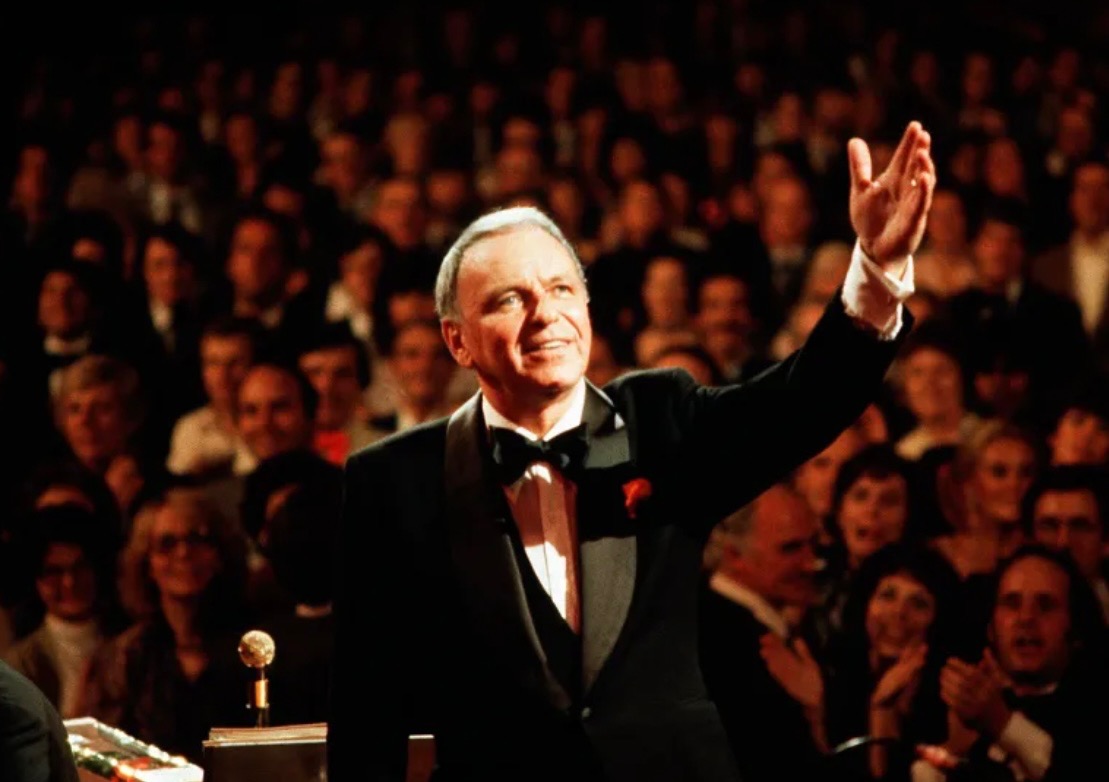
Its cultural prestige has only grown, landing on the AFI’s “100 Years… 100 Songs” list and appearing in everything from The Simpsons to Arrested Development. In 2013, Sinatra’s 1979 recording was inducted into the Grammy Hall of Fame. That same year, the song served as the final farewell at the funeral of former Mayor Ed Koch—a perfectly New York send-off.
In the digital age, the song remains a titan with tens of millions of streams. But its true power isn’t found in statistics. It is found in the way it captures the spirit of “the city that never sleeps”: loud, ironic, and stubborn. A city that knows how to celebrate—and how to survive.