James Levine was a titan of American music—a preeminent conductor and pianist whose decades-long tenure as Music Director of the Metropolitan Opera cemented the house’s status as a global powerhouse. With over 40 years at the Met, a vast expansion of its repertoire, and collaborations with the world’s elite orchestras and soloists, he became a defining figure of the opera world across the 20th and 21st centuries. Read on new-york-trend.com the story of his meteoric rise to the stars.
A Musical Heritage
James Levine was born on June 23, 1943, in Cincinnati, Ohio, into a Jewish family where art and music were woven into the fabric of daily life. Growing up in this environment, the future maestro began soaking up the arts from the moment he could walk.
Levine’s talent was nothing short of precocious. By age three, he was picking out melodies on the piano, and formal lessons began at four. He gave his first public recital at six, and by ten, he debuted as a soloist with the Cincinnati Symphony Orchestra, performing Mendelssohn’s Piano Concerto No. 2. That performance instantly earned him a reputation as a true child prodigy.
Levine’s childhood was spent in concert halls and opera houses. His family regularly attended the Met’s touring productions and traveled to New York specifically for performances.
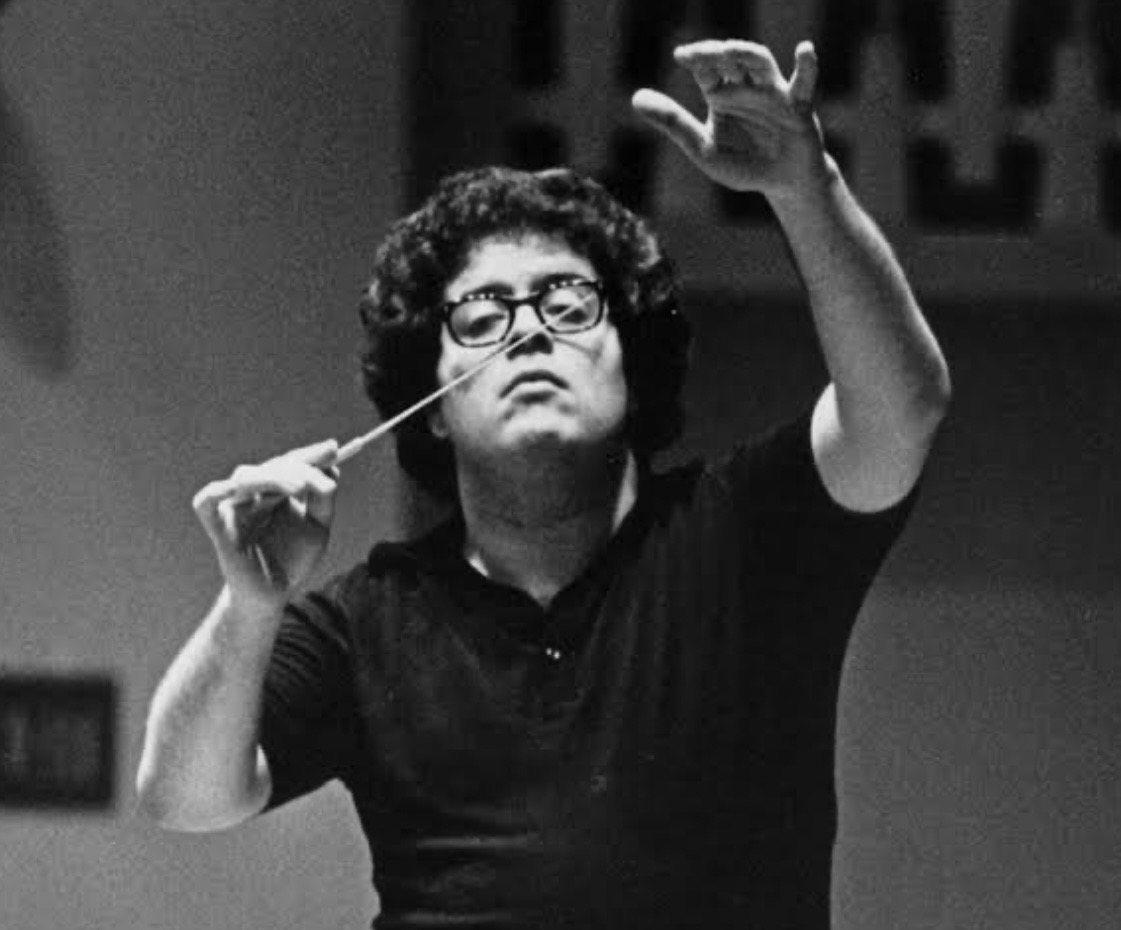
Young James didn’t just listen—he would conduct an imaginary orchestra with a score open on his lap, and at home, he even staged his own miniature operas using a puppet theater. Professional training soon refined his raw talent. He studied under legends like Rudolf Serkin at Marlboro and Rosina Lhévinne at Aspen, and explored music theory with Walter Levin of the LaSalle Quartet. In 1961, Levine entered the Juilliard School in New York to study conducting under Jean Morel.
The Art of Inner Drama
James Levine’s professional conducting career took off with lightning speed under the mentorship of giants. In 1964, he became a protégé of the legendary George Szell at the Cleveland Orchestra—one of the “Big Five” most prestigious ensembles in the U.S. Within a year, Levine was serving as an apprentice conductor, a post he held until 1970. During this period, he also taught at the Cleveland Institute of Music, bridging the gap between world-class performance and the education of the next generation.
These formative years cemented his authority among both musicians and audiences. During his summers, Levine worked at the Meadow Brook School of Music in Michigan and the Ravinia Festival in Illinois—the summer home of the Chicago Symphony Orchestra. The young conductor quickly earned a reputation as a charismatic, deeply musical leader who could galvanize young performers and seasoned enthusiasts alike.
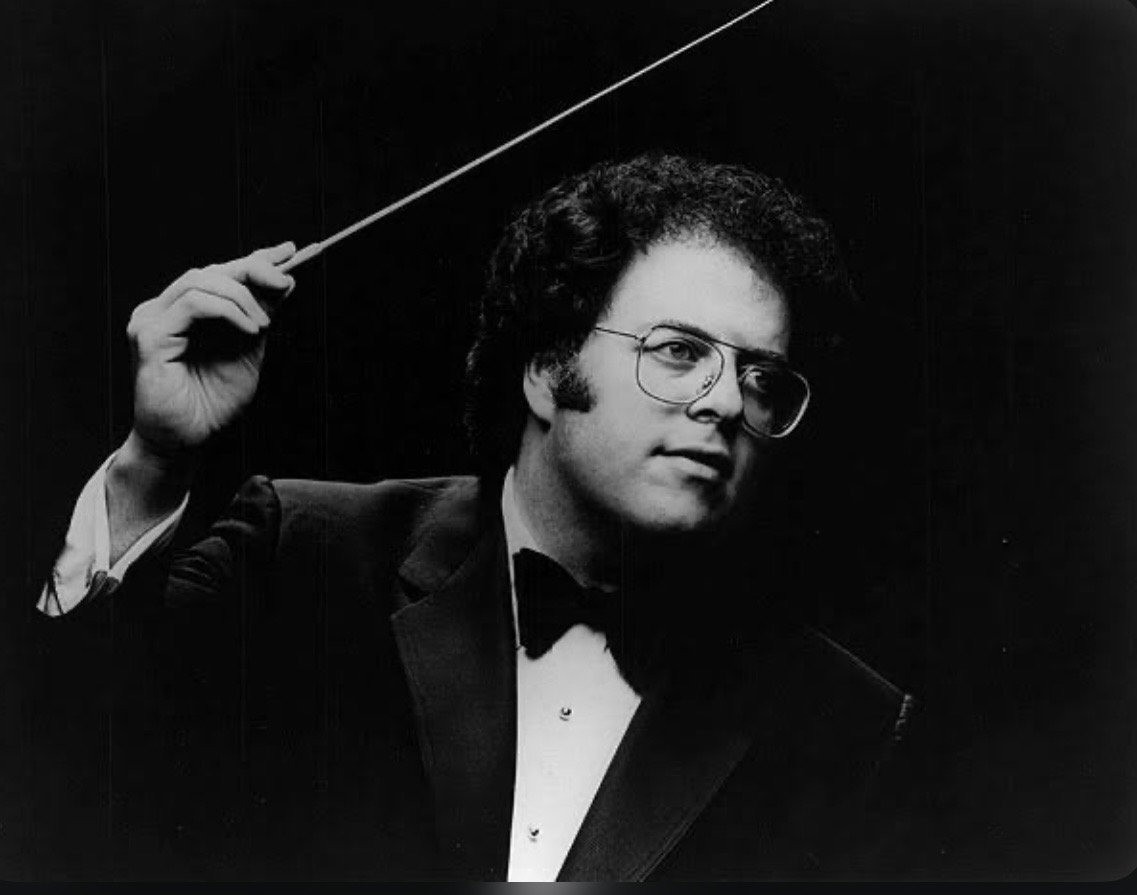
The ultimate turning point came in June 1971. Levine was invited at the eleventh hour to fill in for István Kertész, conducting the Chicago Symphony Orchestra and Chorus in Mahler’s Symphony No. 2 for Ravinia’s season opener. The concert was a sensational triumph, sparking a partnership that would span decades. From 1973 to 1993, Levine served as Ravinia’s music director, becoming the definitive face of the festival.
In 1990, at the request of Roy Disney, Levine arranged the score and conducted the orchestra for the film Fantasia 2000, successfully reintroducing classical music to a mainstream audience in a bold, new format.
Visually, James Levine never fit the mold of the flamboyant “Maestro.” With his stocky build, mop of curly hair, and lack of theatrical flair, he consciously avoided playing to the gallery.
“I said that I would make myself so much the opposite of the ‘great profile’ that I would have the satisfaction of knowing I was engaged because I was a musician, not because ladies were fainting in the first balcony,” he told Time magazine in 1983.
His conducting was restrained, precise, and utterly focused on the score. He asked his players to look him in the eye, watching his face for subtle cues of approval or caution. He wasn’t a “podium acrobat” like Leonard Bernstein, nor was he a cold perfectionist in the vein of Szell. Levine found his own voice: the language of inner drama.
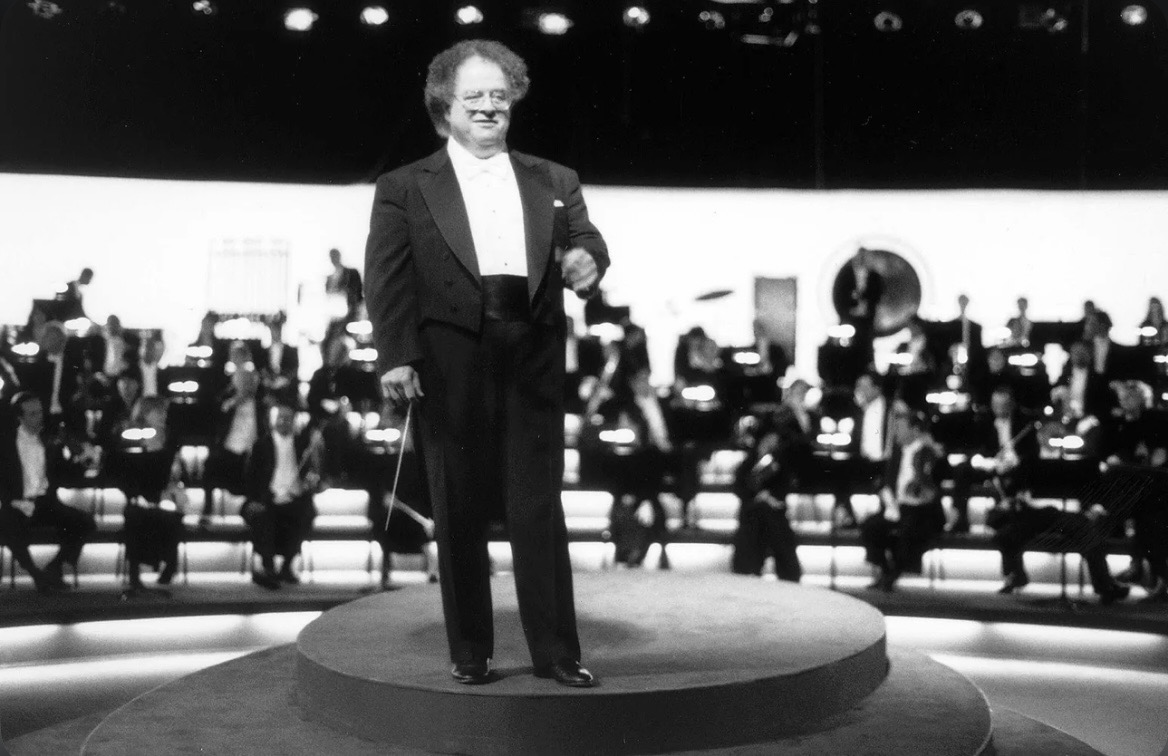
While critics occasionally noted a lack of a singular “signature style,” they universally praised his structural clarity, rhythmic precision, and natural phrasing. His deep immersion in opera gave him an instinctive grasp of musical theater. For Levine, music was never forced—it breathed and unfolded with an organic conviction. This sense of effortless, living power became the cornerstone of his legendary career.
The Met Era: Triumphs and Turbulence
James Levine’s debut at the Metropolitan Opera marked the beginning of an era. On June 5, 1971—just weeks before his 28th birthday—he took the podium for the first time to conduct Puccini’s Tosca. The success was so definitive that by February 1972, he was named principal conductor, and by 1975, the house’s Music Director. In 1986, he became the first Artistic Director in the Met’s history, holding the reins of the institution for nearly four decades.
Under his leadership, the Met underwent a radical transformation. The orchestra, which had long sat in the shadow of superstar singers, evolved into a world-class ensemble capable of holding its own on the symphonic stage. Levine initiated recordings, concert series, and chamber projects—including legendary residencies at Carnegie Hall—while taking the Met Orchestra on extensive tours across the U.S. and abroad. To mark the 25th anniversary of his debut, he conducted the world premiere of John Harbison’s The Great Gatsby, a work commissioned specifically for the milestone.
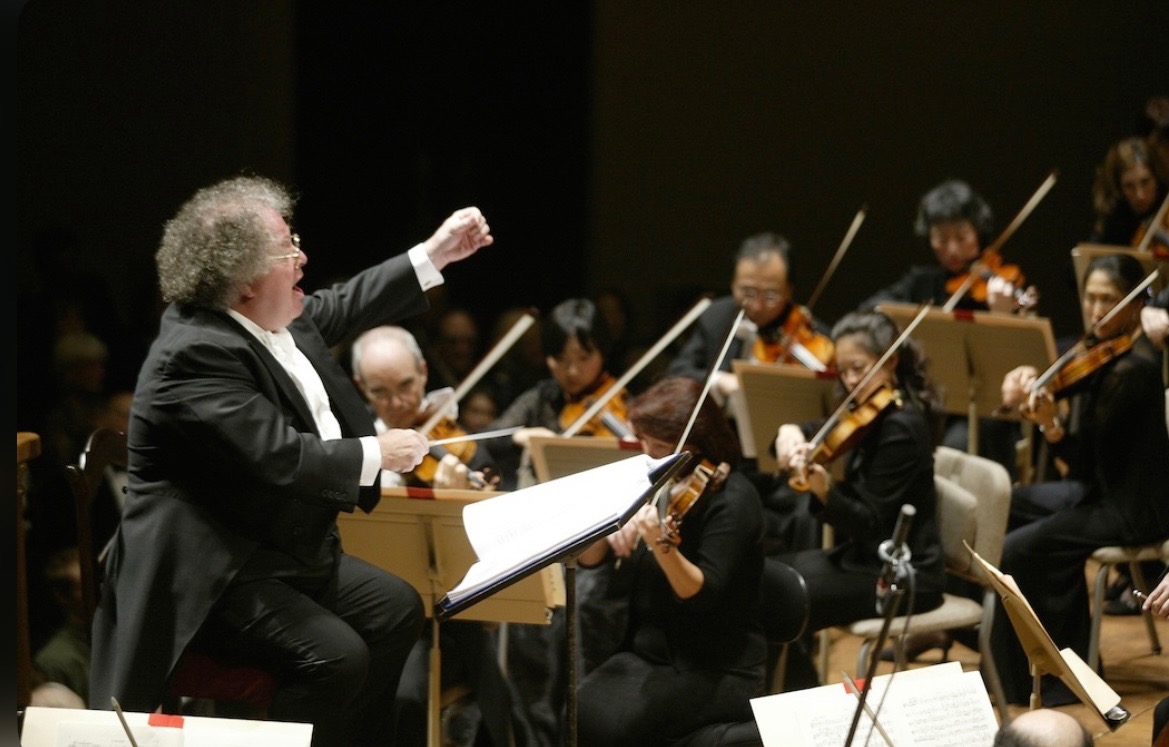
In 1980, Levine founded the Lindemann Young Artist Development Program, which remains one of the world’s most prestigious training grounds for operatic talent. He was more than a manager; he was a subtle and intuitive mentor. Singers revered his ability to sense the unique capabilities and physical limits of every voice. He championed American performers and shaped an entire generation of opera stars. In total, Levine conducted over 2,500 performances at the Met—more than any other conductor in the history of the house.
The Final Movement
Starting in the mid-2000s, Levine’s career was increasingly hampered by health crises. A series of falls, surgeries, and grueling rehabilitations led to frequent cancellations. In 2011, he took a temporary leave from the Met, returning two years later to conduct from a specially designed motorized wheelchair. In 2016, it was finally confirmed that Levine had been living with Parkinson’s disease for years—a fact previously denied in public. It was announced that the 2015–2016 season would be his last as Music Director.
The finale of this storied career proved tragic. Levine’s final appearance at the Metropolitan Opera took place on December 2, 2017, with a performance of Verdi’s Requiem. Shortly thereafter, the Met severed ties with him following allegations of sexual misconduct dating back decades. The theater canceled all his scheduled appearances and eventually terminated his contract after an internal investigation. The ensuing legal battles were settled out of court.
James Levine passed away on March 9, 2021, at his home in Palm Springs of natural causes. No public memorial was held.
Levine fundamentally redefined the Metropolitan Opera Orchestra, elevating it to a self-sufficient, world-tier concert ensemble. He discovered and nurtured a constellation of great singers, launched the Live from the Mettelecasts, and aggressively commissioned new works from contemporary composers.
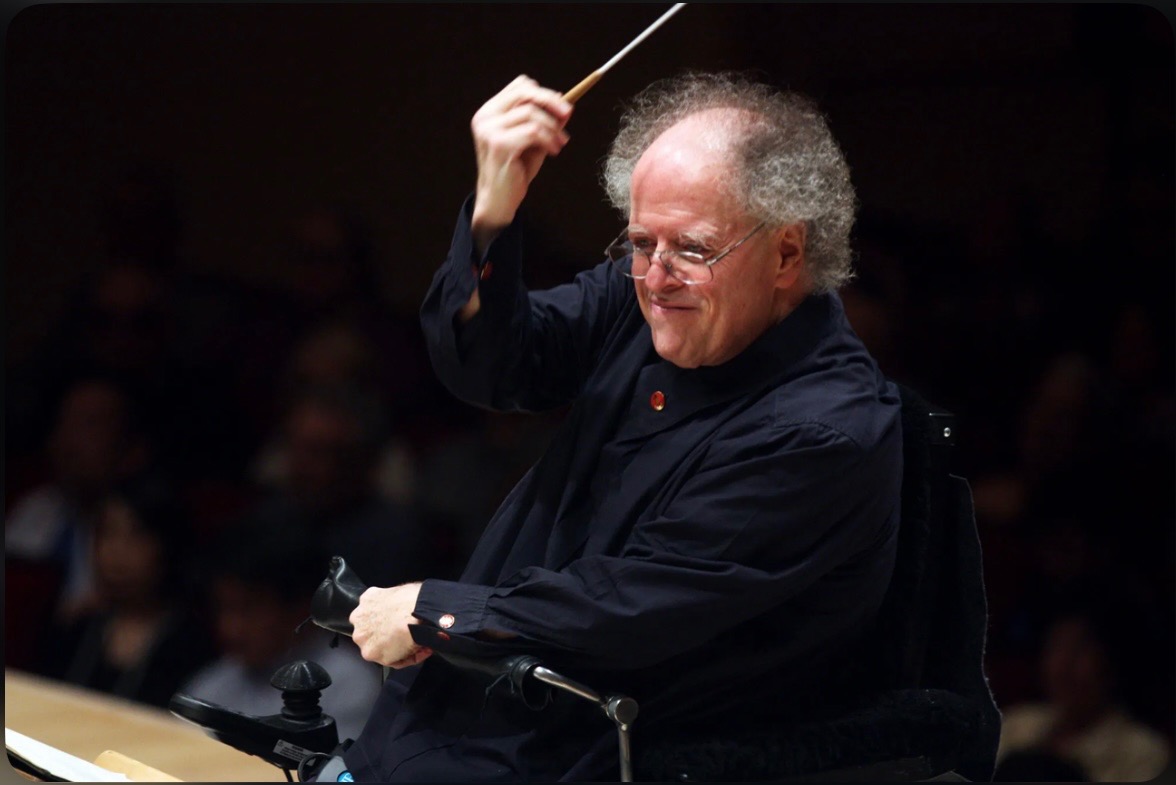
His legacy remains deeply complicated: on one hand, he was the maestro who raised the Met’s artistic standards to unprecedented heights; on the other, he is a figure whose life’s work was overshadowed by grave ethical allegations. Regardless, Levine’s impact on the operatic and orchestral landscape remains a defining element of late 20th-century musical culture.