


Nestled in the heart of Manhattan’s vibrant Upper West Side, the Beacon Theatre stands as a true symbol of New York City’s rich cultural heritage. Since its opening in 1929, it has hosted countless artistic performances, political gatherings, and historic events that are etched in the memory of New Yorkers. Read more at new-york-trend.
But many New Yorkers might not know that since its founding in the early 20th century, the Beacon was more than just a theater. It was a premier venue for large-scale performances and concerts, and it once narrowly escaped being turned into a nightclub and disco-restaurant.
The Founding of an Iconic Theater and Its Grand Architecture
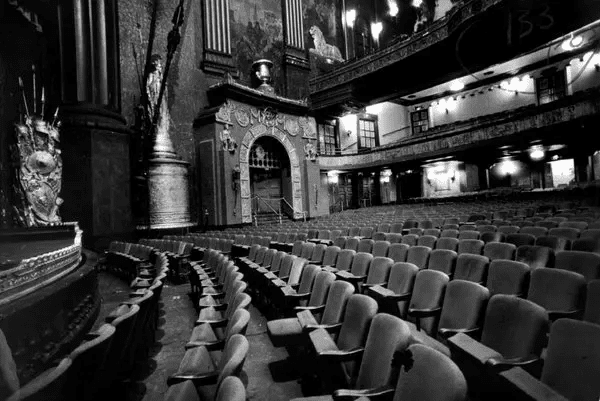
New York’s Beacon Theatre was designed by architect Walter W. Ahlschlager. It officially opened its grand doors on December 24, 1929, during the golden age of cinema and vaudeville. The Beacon was a true masterpiece, blending Art Deco grandeur with the elegance of Greek Revival. Over the years, its architecture has stood the test of time, remaining almost perfectly preserved into the 21st century.
With a seating capacity of just over 2,800, the Beacon quickly became a hub where locals and visitors could watch the latest films and see legendary live performances by famous bands and artists.
The theater’s interior was adorned with incredibly luxurious decorations, opulent chandeliers, and masterfully crafted murals. Spending time inside was a pure delight, as the decor radiated a truly magical atmosphere.
The Theater’s Evolution: From Movie Palace to Concert Hall
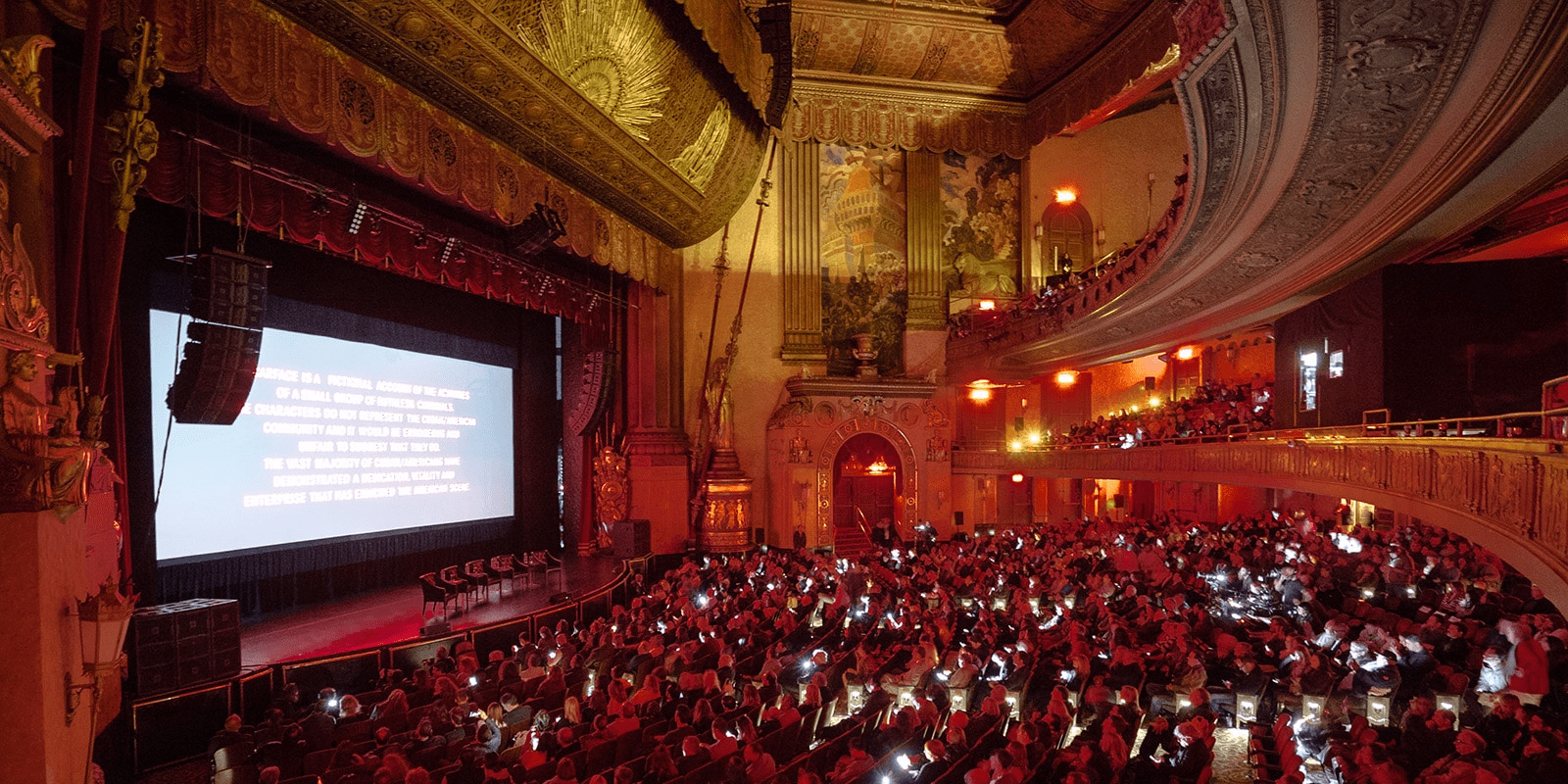
In its first decade, the Beacon Theatre charmed audiences with popular films and vaudeville acts, becoming an integral part of New York’s cultural scene. However, as the film industry evolved, the theater underwent a major transformation, shifting its focus to live performances.
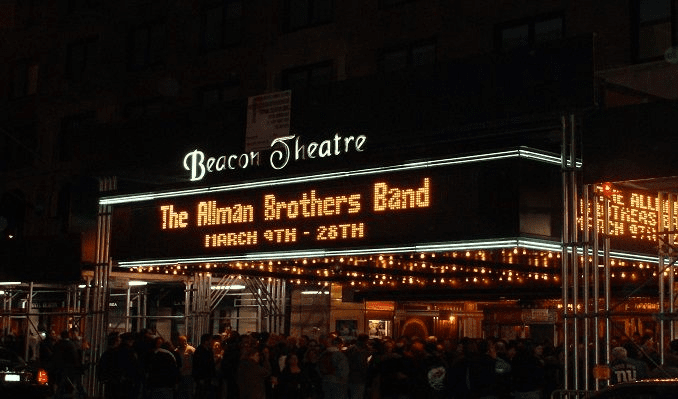
In the 1970s, the Beacon became a focal point for New York’s growing rock ‘n’ roll culture. The theater transformed into a top concert venue, hosting some of the most famous rock acts of the era, including The Allman Brothers Band, the Grateful Dead, and the Rolling Stones. With its intimate atmosphere and flawless acoustics, the theater became a favorite concert hall for both performers and audiences alike. As a result, during the rock ‘n’ roll era of the late 20th century, the theater drew massive crowds.
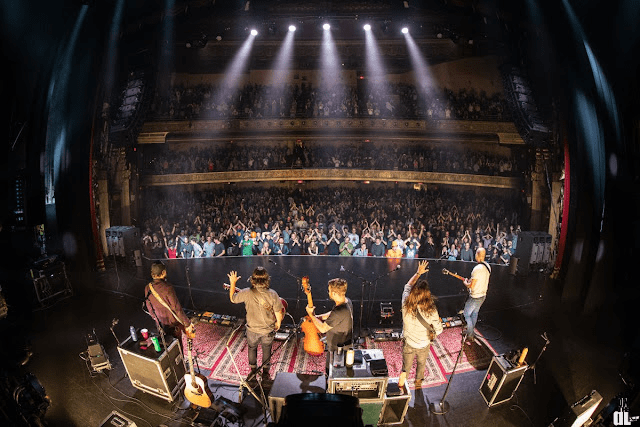
But things changed in the mid-1980s. New owners took over and planned to convert the Beacon into a nightclub and disco-restaurant. At the time, the Beacon was one of Manhattan’s only mid-sized concert halls, so this transformation would have been a major blow to the city’s cultural life. The new owners wanted to not only change the theater’s purpose but also alter its historic structure. However, this plan was halted by the New York Supreme Court, which ruled that it threatened the building’s architectural integrity. Throughout this period, the Beacon continued to host concerts, remaining one of the few venues in Manhattan for regular rock, pop, and soul performances.
More Than Just a Cultural Venue
Beyond its role in New York’s cultural scene, the Beacon has played a vital part in the city’s social fabric. Throughout its history, the theater has served as a venue for political rallies, charity events, and various cultural celebrations, helping to unite the city’s diverse population.
Over the years, the Beacon has welcomed countless legendary musicians, theater troupes, singers, and actors, along with seas of audience members. Its stage has hosted everything from jazz and blues to comedy and Broadway shows. The Beacon was a true symbol of its era, embodying the vibrant creative spirit of the city.
Preserving the Theater and Its Legacy
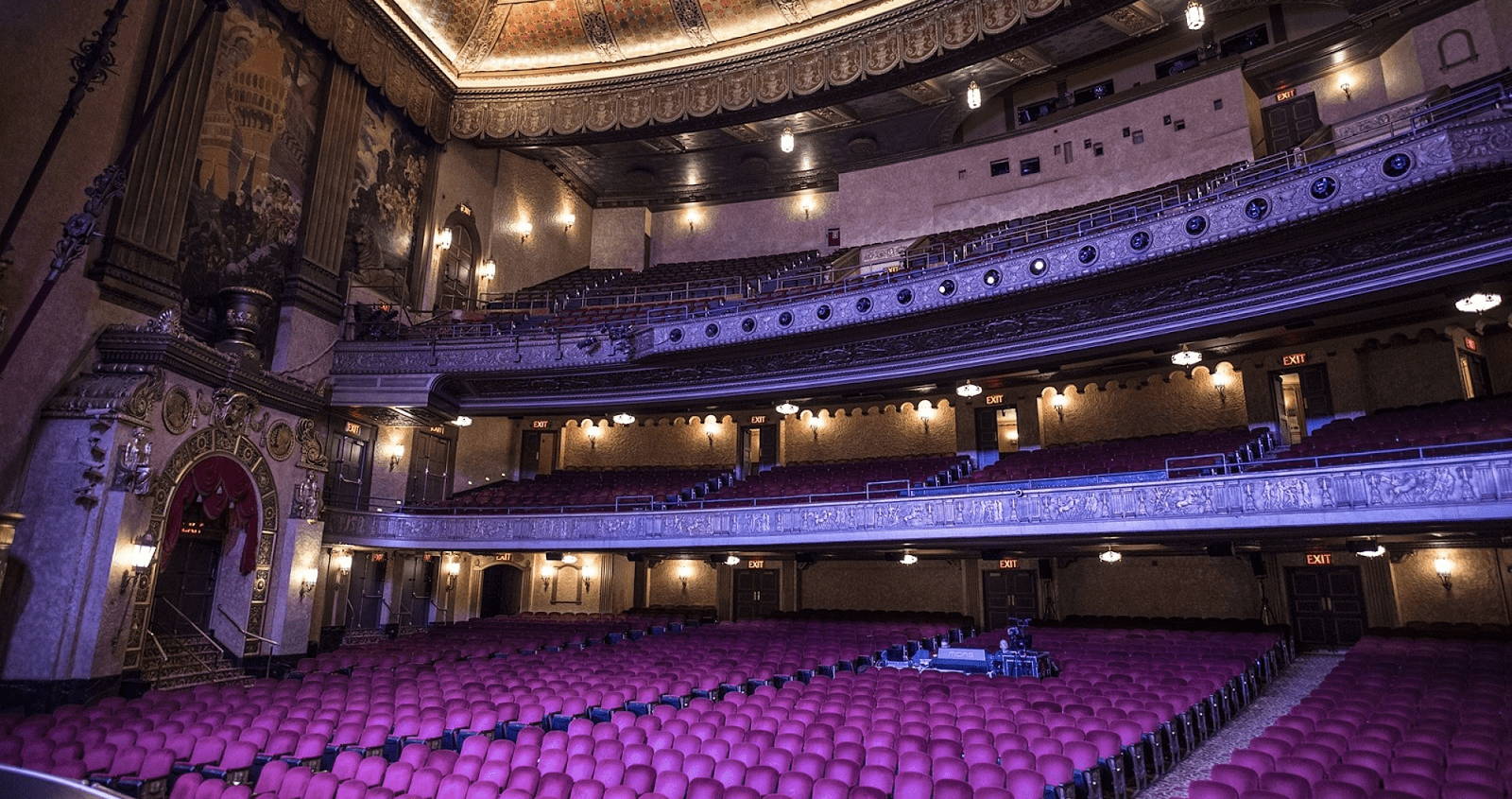
The theater and its architecture are considered New York historic landmarks. But like many historic sites, the Beacon Theatre faced challenges in the latter half of the 20th century. Steps were taken to preserve the building, including a meticulous restoration that brought the theater back to life while maintaining its unique architectural heritage and charm.
Today, in the 21st century, the Beacon Theatre continues to thrive, attracting world-class performers and countless patrons. It remains a jewel on Broadway, inviting locals and tourists alike to enjoy unforgettable concerts and theatrical performances in the heart of the bustling city.
Just as it did in the 20th century, the Beacon’s repertoire includes a diverse range of musical concerts, comedy shows, and special events. Even now, the theater remains a true reflection of New York’s cultural life. The Beacon truly holds a special place in the heart of every New Yorker.