American rapper, producer, and mogul Jay-Z has journeyed from amateur Brooklyn projects to the pinnacle of global superstardom. In this article on new-york-trend.com we dive into his early life, his meteoric musical career, his legendary albums and hits, his high-profile “retirement” and comeback, and his personal life. This is the story of success, love, struggle, and the incredible resilience of one of the most influential figures in modern music.
If the Door is Locked—Build Your Own
Shawn Corey Carter was born on December 4, 1969, in Brooklyn and raised in the Marcy Houses of Bedford-Stuyvesant. When he was 11, his father left the family, leaving his mother, Gloria Carter, to raise four children on her own. She often worked two jobs just to keep the lights on.
Shawn’s teenage years were lived on the edge. The streets dictated the rules, and he quickly became involved in the drug trade. He faced numerous life-threatening situations and, by his own account, was lucky to survive. Years later, as a global icon, he reflected on those days in an interview with Fresh Air:
“At 14, 15 years old, you’re thinking about sneakers, you’re thinking about getting some food, or you’re thinking about paying the light bill. So, at that young age, you’re not thinking about the destruction you’re causing your own community.”
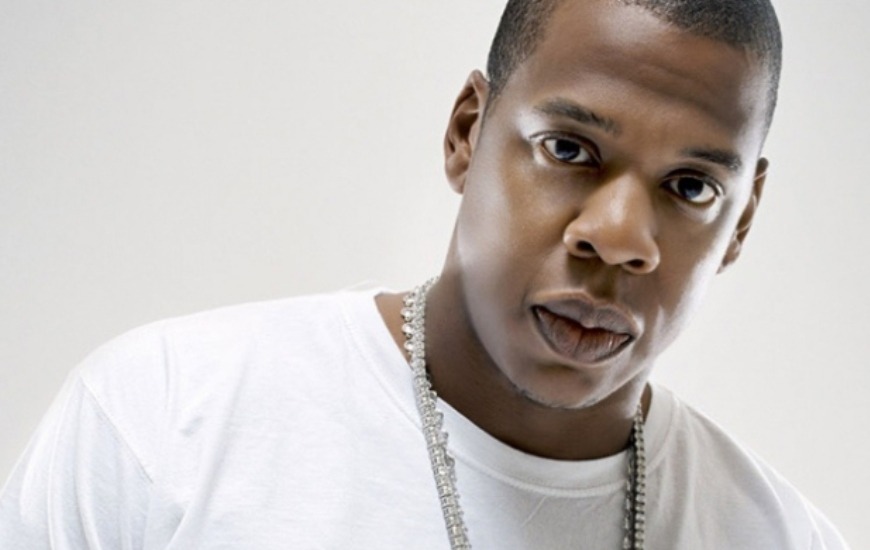
But parallel to his life on the corner, another story was unfolding: his life in music. Shawn began writing rhymes, drawing inspiration from hip-hop pioneers like Run-DMC and from the world of cinema. His knack for cinematic storytelling would later shine through in tracks like “Meet the Parents,” which echoes the gritty narrative style of Pulp Fiction.
He initially performed under the name Jazzy before adopting the moniker Jay-Z—partly as a tribute to his mentor, Jaz-O, and partly as a nod to the J and Z subway lines that ran through his neighborhood. By the late 1980s, he was appearing on Jaz-O’s tracks, cutting his teeth in the industry. By the mid-90s, he was holding his own alongside New York legends like The Notorious B.I.G., Big L, and DMX.
When major labels passed on him, Jay-Z and his partners took a massive gamble and founded their own company: Roc-A-Fella Records. It was a definitive move: if the door won’t open, build your own entrance. In 1996, they released his debut album, Reasonable Doubt—a gritty, honest, and cinematic portrait of street life. The record eventually went platinum and is now widely considered a masterpiece of the genre.
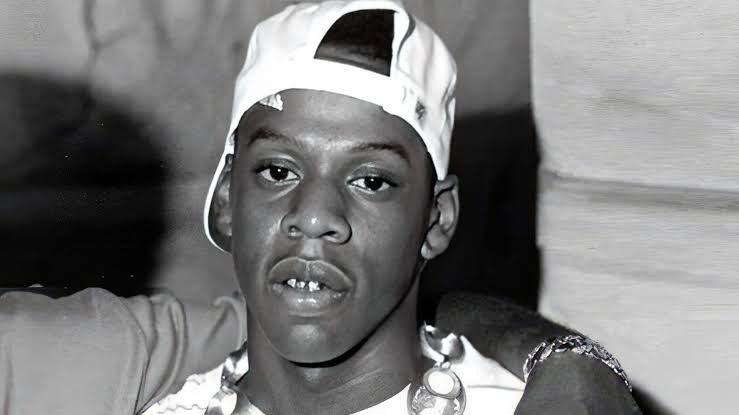
The kid from Marcy, who once worried about surviving until tomorrow, had turned his struggle into art and begun building an empire that would soon stretch far beyond the borders of Brooklyn.
From Breakout to Total Dominance
After the high-stakes debut of Reasonable Doubt, Jay-Z’s career shifted into overdrive. In the late 90s, he was releasing at least one album a year, with each project pushing him further into the stratosphere.
In 1998, he released Vol. 2… Hard Knock Life. It was a game-changer, topping the Billboard 200 and earning him his first Grammy for Best Rap Album. This was followed by Vol. 3… Life and Times of S. Carter and the ambitious The Dynasty: Roc La Familia, a project that introduced a new generation of producers—including a then-unknown talent named Kanye West.
On September 11, 2001, the world heard The Blueprint. Critics hailed it as an instant classic before the first-week sales were even tallied. Driven by the hit “Izzo (H.O.V.A.),” the album cemented Jay-Z as the definitive voice of 21st-century hip-hop. It was later inducted into the National Recording Registry of the Library of Congress for its cultural significance.
In 2002, he released the double album The Blueprint²: The Gift & The Curse, only to shock the world shortly after by announcing his retirement. He told The New York Times that hip-hop had become “lame,” though he later admitted he was simply burnt out from years of non-stop recording and touring.
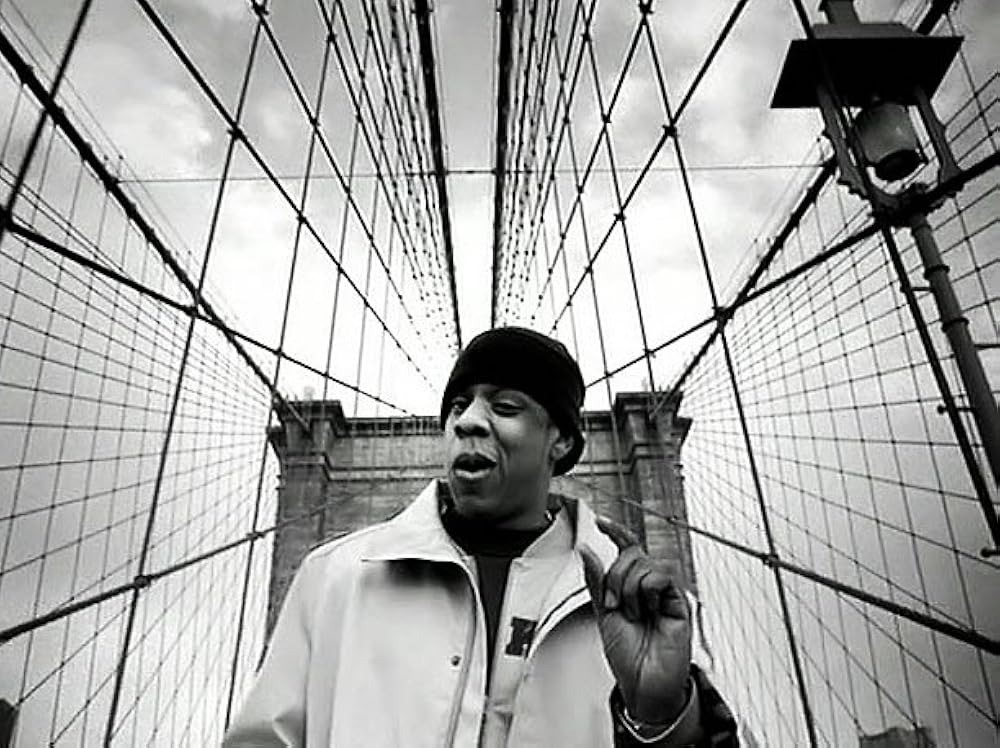
The irony? His “farewell” project, The Black Album, became one of the most successful of his career. The single “99 Problems” sparked massive debate; some praised its minimalist Rick Rubin-produced edge, while others criticized its provocative lyrics. Jay-Z explained that it was a piece of art—a play on context—arguing that rap sometimes has to be abrasive to remain honest.
Here is the conclusion of the Jay-Z story, translated into American English with a focus on punchy, journalistic flow and localized for a cultural context.
The HOV Empire: The King’s Return
In reality, Shawn Carter never truly left—he just changed the rules of the game. In 2004, Jay-Z took the helm as President of Def Jam Recordings, becoming one of the most powerful Black executives in the history of the music industry.
Just a year later, he teamed up with the rock band Linkin Park for the explosive mash-up EP Collision Course. The hit “Numb/Encore” snatched a Grammy and proved that rap and rock could coexist as a single, powerful force.
In 2006, he officially ended his “retirement” with Kingdom Come. This was followed by the concept album American Gangster—inspired by the Ridley Scott film—which chronicled the gritty transition from street hustling to the corporate “big game.”
But the real triumph was The Blueprint 3. His anthem “Empire State of Mind” became a modern-day ode to New York City, while “Run This Town,” featuring Rihanna and Kanye West, cemented his status as a perennial hitmaker. The Grammys started piling up.
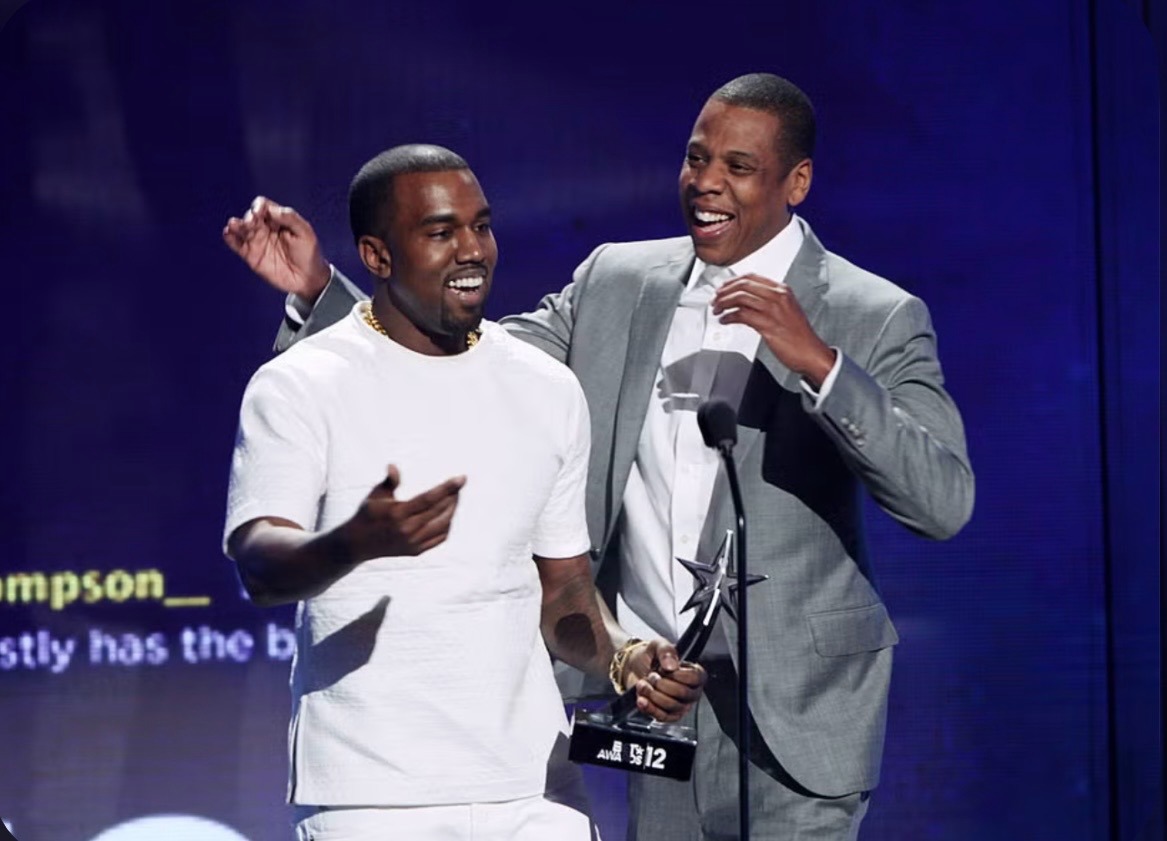
In 2011, Jay-Z and Kanye dropped their collaborative masterpiece, Watch the Throne—an ambitious, luxury-rap manifesto on power and legacy. However, his most vulnerable chapter arrived in 2017 with 4:44. The album was a public confession; it was a grown man owning his mistakes and speaking candidly about marriage, racism, and generational wealth.
By 2021, his journey from a marginalized genre to the global stage was officially etched in history as he was inducted into the Rock and Roll Hall of Fame.
Beyond the Billboard Charts
Jay-Z’s influence stretches far beyond the recording studio. His empire is built on several key pillars:
- Business and Entrepreneurship
Jay-Z turned his name into a global brand. He founded Rocawear, a clothing line that defined an era, selling it for hundreds of millions while retaining marketing control. From the upscale 40/40 Club to the artist-centric streaming service Tidal, he sought to create spaces where musicians and business could thrive together. His entertainment conglomerate, Roc Nation, became a powerhouse for new talent, merging music, sports, and media. In 2019, Jay-Z became hip-hop’s first billionaire.
- Sports Management
For a time, Jay-Z was a minority owner of the Brooklyn Nets, playing a key role in the team’s move to his home borough. Later, he founded Roc Nation Sports, a management agency for pro athletes, proving that his strategic mind worked just as well on the field as it did in the booth.
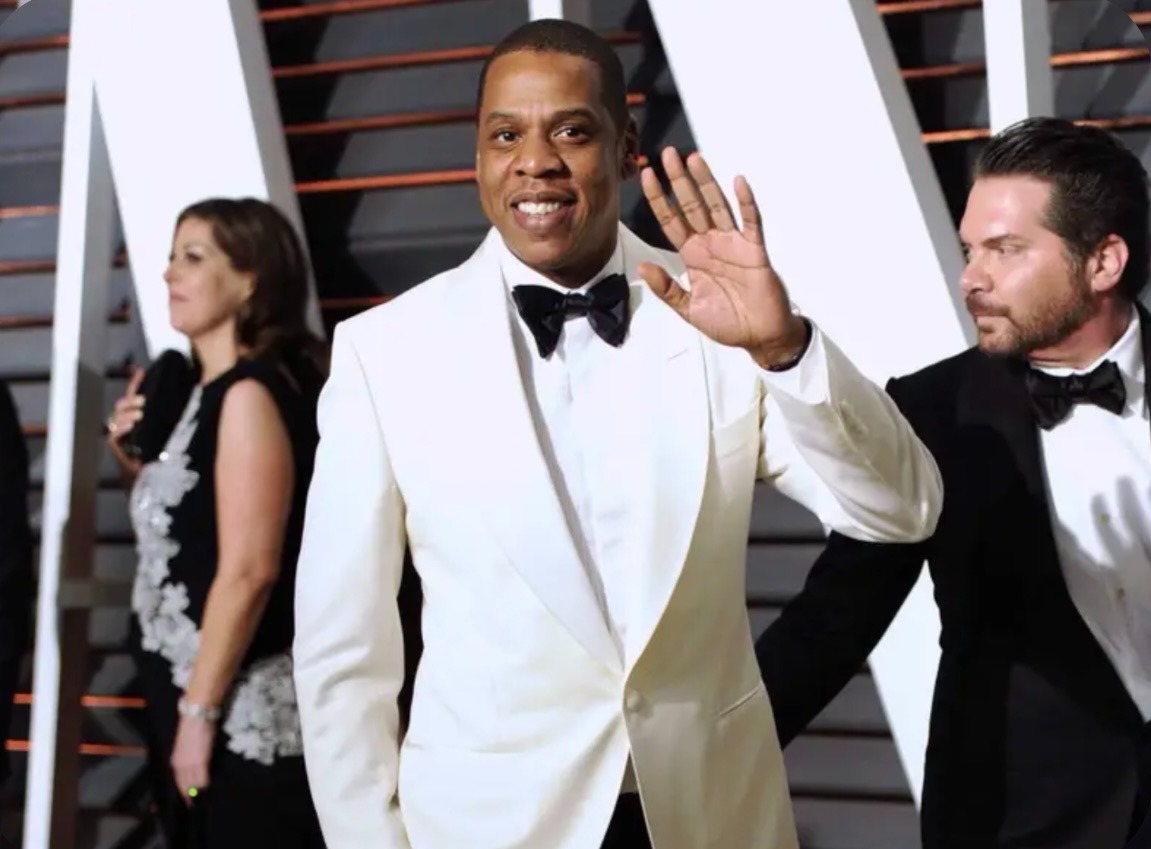
- Media and Cultural Impact
He didn’t stop at business. He created Life + Times, a digital platform exploring style, culture, and social issues. His memoir, Decoded, offered a deep dive into his philosophy on language and the art of the rhyme. Through documentary projects, he has tackled heavy topics ranging from racial injustice to the global water crisis.
- Philanthropy and Social Justice
Jay-Z never forgot where he came from. Through the Shawn Carter Foundation, he has provided scholarships and educational opportunities for underprivileged youth. He has donated millions to pandemic relief and criminal justice reform. For Jay-Z, philanthropy isn’t just about the money—it’s about the responsibility that comes with influence.
Privacy in the Spotlight: The Power Couple
Their paths first crossed in 2002 on the track “’03 Bonnie & Clyde.” It was more than just a collaboration; the chemistry between Jay-Z and Beyoncé was undeniable. The following year, he appeared on her massive hits “Crazy in Love” and “That’s How You Like It.”
They kept their romance low-key. In April 2008, they tied the knot in a private ceremony in Tribeca, NYC. The public didn’t even get a glimpse of the ring until September. By avoiding the tabloid circus, they built a rock-solid foundation.
“We don’t play with our relationship,” Jay-Z once said, emphasizing the couple’s sincerity.
The world took notice. In 2006, Time named them the most influential couple on earth. By 2009, Forbes ranked them as Hollywood’s highest-earning pair, pulling in a combined $162 million.
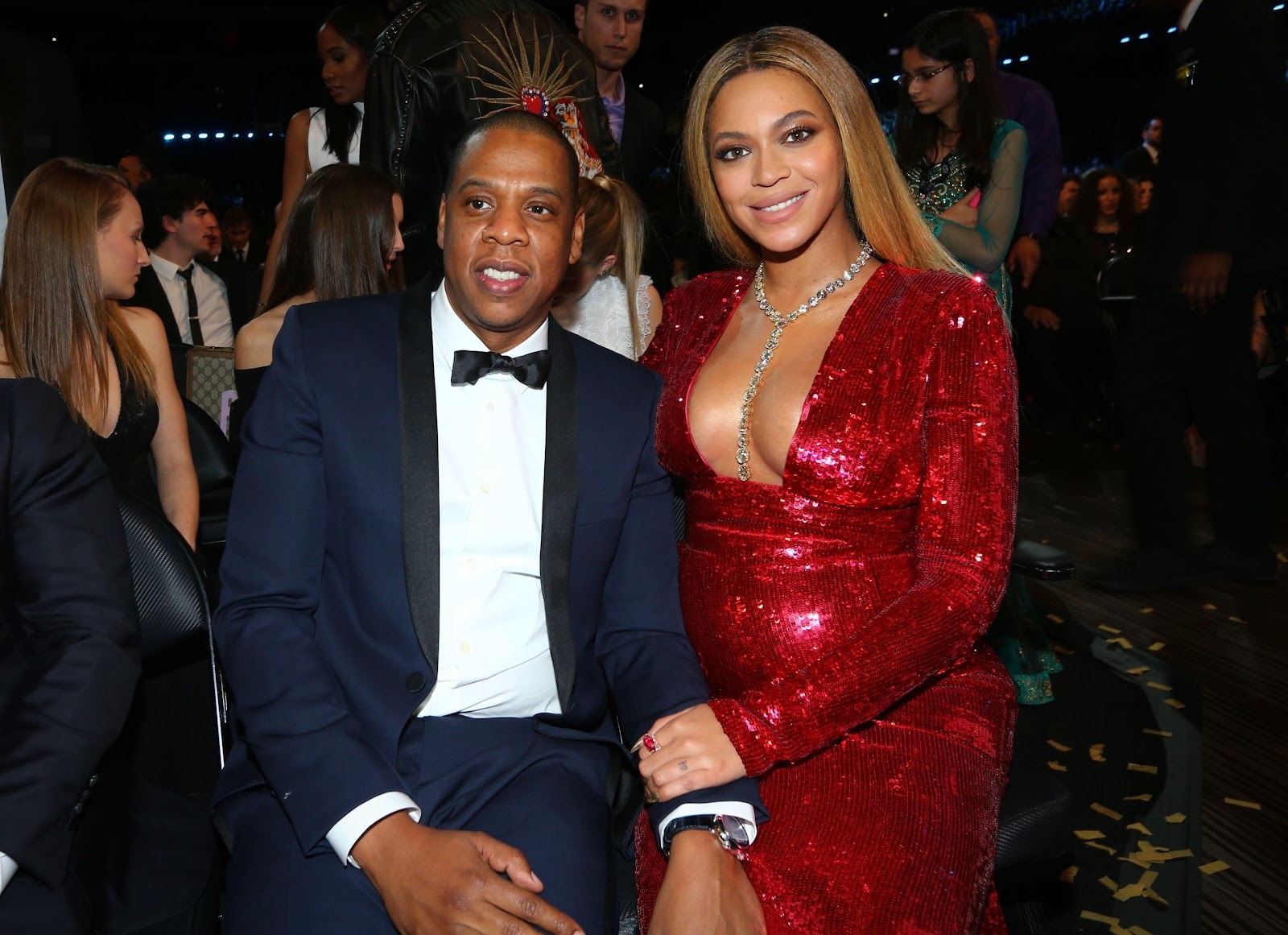
In 2012, their lives changed with the birth of their daughter, Blue Ivy. The track “Glory,” released the very next day, was Jay-Z’s emotional tribute to the joys and struggles of their journey to parenthood. By including a recording of her first cries, Blue Ivy became the youngest person ever to appear on a Billboard chart at just two days old.
In 2017, the family grew again with the arrival of twins, Rumi and Sir. The story of Jay-Z and Beyoncé is more than a romance; it’s a partnership that balances love, business, and family. They’ve proven that a couple’s true power lies not in public spectacle, but in a shared set of values that stands the test of time and fame.