The Queen of Rap, a chart-topping record-breaker, and one of the most influential artists of the 21st century. In this article on new-york-trend.com we trace her journey from the landmark debut of Pink Friday to the global triumph of Pink Friday 2. Discover the story behind the hits, the awards, the movie roles, and the business empire that changed women’s hip-hop forever.
Childhood, Struggle, and the Birth of a Persona
Onika Tanya Maraj-Petty was born on December 8, 1982, in Port of Spain, Trinidad and Tobago. She grew up in a musical household where her parents sang gospel, but behind the scenes, life was anything but harmonious. Her father struggled with drug and alcohol addiction, leading to a volatile environment. In a horrific incident during Onika’s childhood, he even set fire to their family home.
She spent her early years with her grandmother in a bustling house full of cousins before moving to Queens, New York, at age five to join her mother. While the “New World” offered opportunities, the family dynamics remained a challenge.
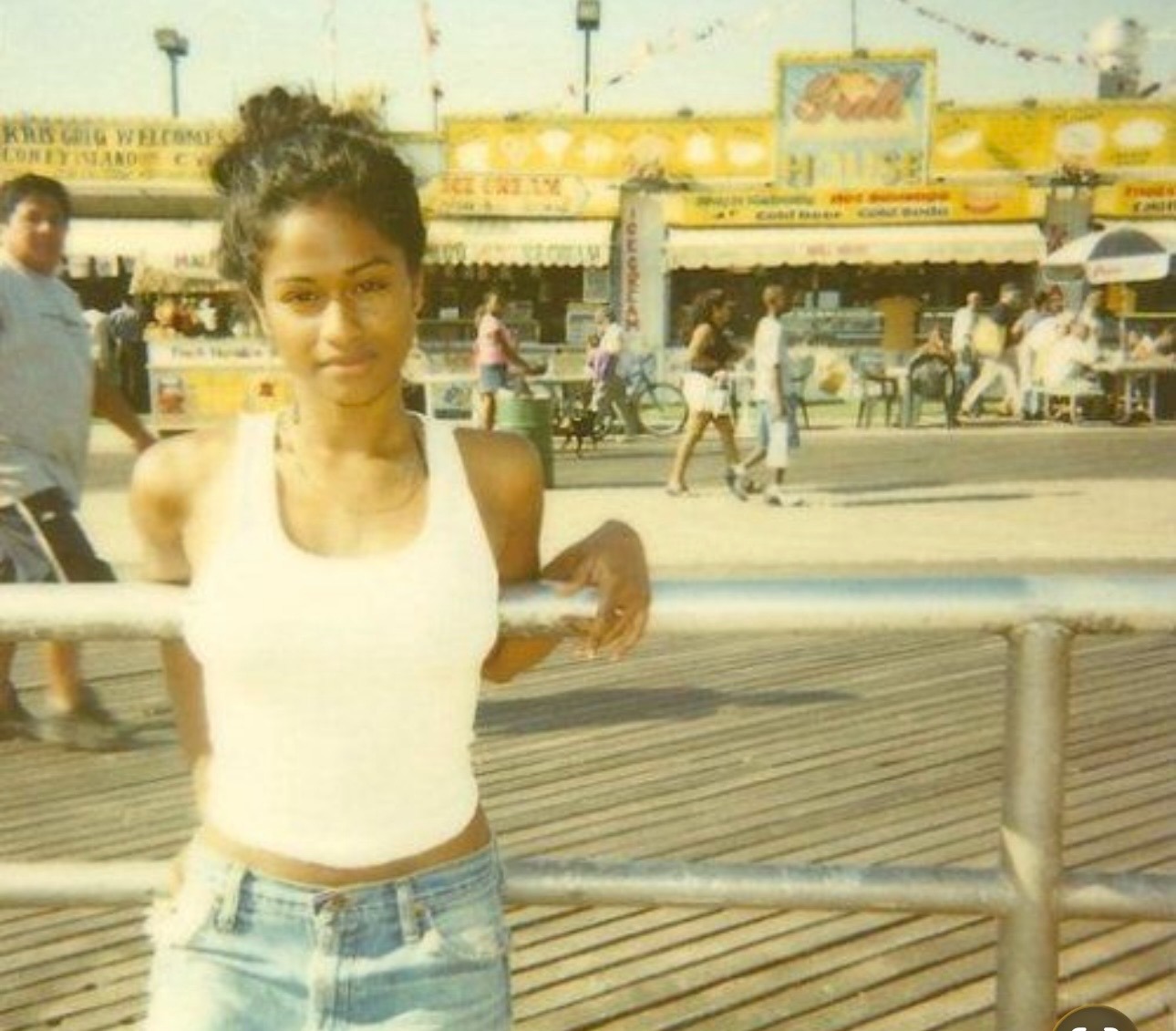
To cope with a difficult childhood, Onika created alternative realities. She invented characters and swapped names, stepping into new destinies like one might try on a costume. This was the origin of her stage persona—Nicki Minaj. For her, imagination wasn’t just an escape; it was a creative survival kit. By age 12, she had written her first rap song, and she eventually honed her craft at the prestigious LaGuardia High School of Music & Art and Performing Arts.
After graduation, Nicki dived into the working world, taking jobs as a waitress and customer service rep. Her blunt, no-nonsense personality often got her fired, but every “pink slip” only pushed her closer to the stage. Her story is one of a girl who turned childhood pain into power and fantasy into a global career.
The Road to Pink Friday: Dominating the Industry
Nicki Minaj didn’t start with a major label deal. She began as a backup singer for local New York rappers, uploading tracks to Myspace and relentlessly pitching herself to industry insiders. Her grit paid off. After a stint with Dirty Money Records, she dropped her first mixtape, Playtime Is Over, in 2007.
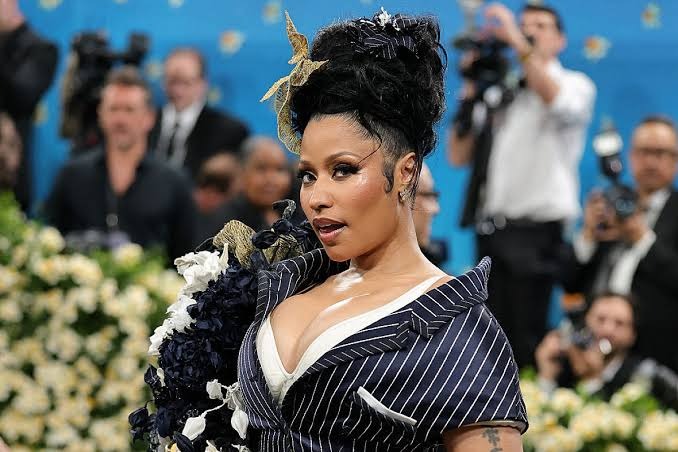
The true turning point came when Lil Wayne spotted her talent. He recruited her for his Young Money roster, and her career went into overdrive. The mixtapes Sucka Free and Beam Me Up Scotty made her a household name in hip-hop circles. By 2009, she officially signed with Young Money, maintaining a firm grip on her image and creative direction—a principle she has never compromised.
2010 was her breakout year. Her debut album, Pink Friday, hit No. 1 on the Billboard 200, becoming the most successful female rap album in years. Provocative, bold, and unapologetic, Nicki leaned into her eccentricities and won big. The hit “Super Bass” turned her into a global pop-rap phenomenon, racking up billions of streams.
Her guest verse on Kanye West’s “Monster” is still cited by critics as one of the greatest verses in rap history—that was the moment the world realized Nicki wasn’t just a new artist; she was an event. Grammy nominations, world tours, and collaborations with icons like Madonna and Britney Spears quickly followed.
In 2012, she released Pink Friday: Roman Reloaded, fearlessly blending rap with Euro-dance pop. While it sparked debate among purists, it was a massive commercial success. The anthem “Starships” became a global juggernaut, proving Nicki could play by her own rules. That same year, she brought her signature brand of honesty to the American Idol judging panel, where her legendary clashes with Mariah Carey kept the tabloids buzzing.
By 2013, Nicki had set the record for the most Billboard Hot 100 entries among female rappers. She had evolved into a powerhouse of modern hip-hop—ambitious, colorful, and unapologetically in control.
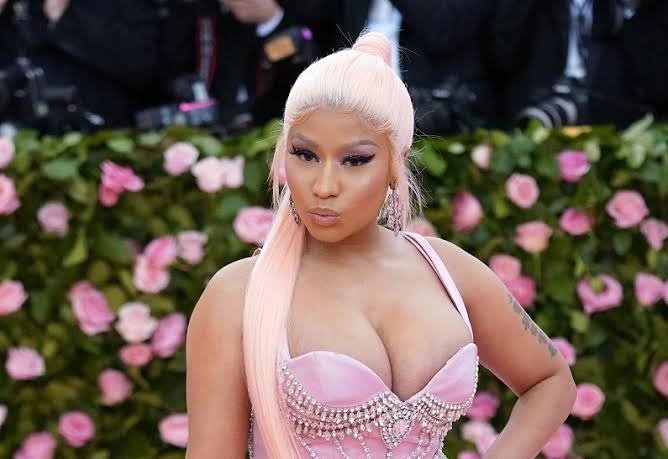
New Heights and New Rules of the Game
Following her massive breakout, Nicki Minaj entered a deeper, more personal era. In 2014, she released her third studio album, The Pinkprint—a raw and emotional body of work. While the album explored themes of love and heartbreak, the explosive “Anaconda” returned her to a bold, aggressive rap sound. The record dominated the charts, earned Grammy nominations, and solidified her status as the undisputed leading lady of mainstream hip-hop.
Beyond the music, Nicki made a splash on the big screen, starring in The Other Woman and Barbershop: The Next Cut, and lending her voice to the Ice Age: Continental Drift and The Angry Birds Movie 2 franchises.
In 2018, she dropped her fourth album, Queen. The title was a statement: Minaj wasn’t just playing the game; she was ruling it. Despite the heated debates surrounding its release, the album went Platinum, proving that Nicki could command the spotlight even in turbulent times.
2020 was a historic year. Minaj topped the Billboard Hot 100 twice—first with the “Say So” remix alongside Doja Cat, and then with “Trollz” featuring 6ix9ine. This achievement made her the first female rapper in decades to debut at the summit of the U.S. charts.
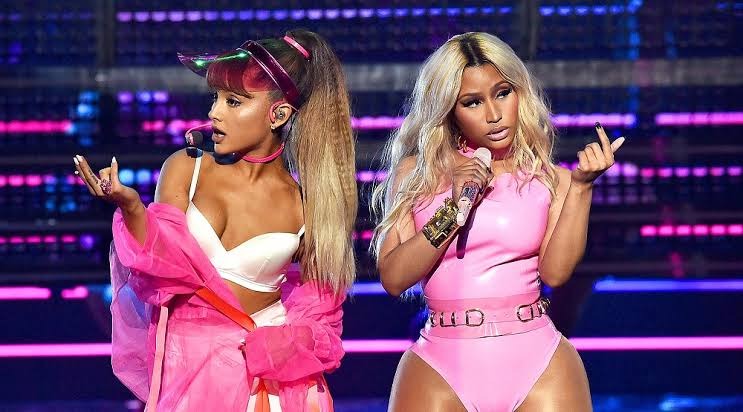
In 2022, she reclaimed the throne with “Super Freaky Girl,” which samples Rick James’ classic “Super Freak.” The track debuted at No. 1 on the Hot 100, making it the first solo female rap song to do so in the 21st century. She also launched Queen Radio: Volume 1 and revived her radio show, turning it into a platform for unfiltered conversations and viral moments.
2023 saw her team up with Ice Spice for “Barbie World” on the Barbie movie soundtrack. On December 8, 2023—her birthday—she released Pink Friday 2, the long-awaited sequel to her 2010 debut. The album hit No. 1 on the Billboard 200, setting a record for the most No. 1 albums by a female rapper. The world tour that followed became the highest-grossing tour by a female rapper in history.
Throughout these years, Nicki Minaj hasn’t just kept her spot—she has rewritten the playbook. She is an artist who welcomes conflict, takes sonic risks, and treats every stage like a coronation.
The Nicki Empire: Style, Power, and a Voice Beyond Music
Once Nicki Minaj conquered the charts, she didn’t stop there. She began building a multifaceted empire—vibrant, provocative, and meticulously branded.
Her first major move into the business world was a 2010 collaboration with MAC Cosmetics. The “Pink 4 Friday” lipstick launched alongside her debut album and instantly became a symbol of the “Pink” era. This was followed by a Mattel Barbie doll created in her likeness, which was auctioned off for charity.
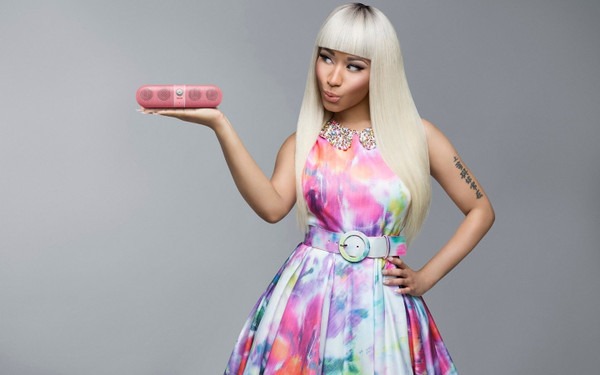
The empire only grew from there. From massive ad campaigns with Pepsi and Adidas to partnerships with Beats Electronics and the launch of the Tidal streaming service, Nicki was everywhere. She appeared in campaigns for H&M, Mercedes-Benz, Diesel, and EA Sports. Her “Fendi Prints On” capsule collection—named after her iconic lyric in “Chun-Li”—officially cemented her status as a global fashion icon.
Nicki even ventured into the digital realm with her mobile game Nicki Minaj: The Empire, a playable character in Call of Duty, and the creation of the virtual “Gag City” in Roblox. Every platform became an extension of her brand.
Her beauty empire is a force of its own. Her fragrance line, which started with Pink Friday in 2012, has expanded to over a dozen scents. In 2024, she launched Pink Friday Nails, even featuring pop-up manicure stations during her world tour.
Her personal life has remained under a constant media microscope. Nicki has been open about her past struggles, family losses, and her journey into motherhood. In 2020, she welcomed her son, affectionately known as Papa Bear, and has shared how motherhood has shifted her priorities.
At the same time, Nicki is a dedicated philanthropist. She has funded educational projects, donated to disaster relief, helped fans pay off student loans, and actively advocates for women’s rights and religious freedom.
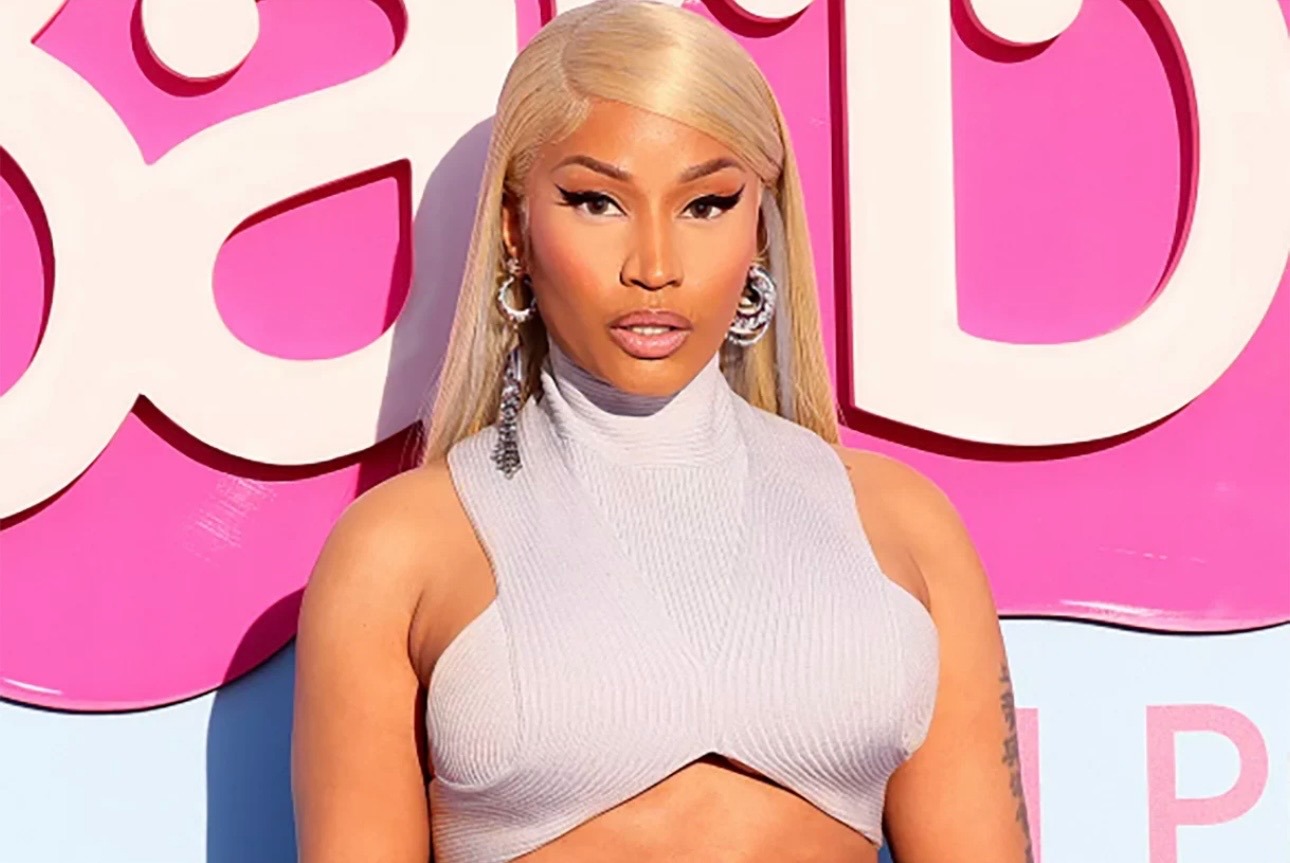
Nicki Minaj is more than a pop star. She is a brand, a voice, a character, and a master strategist. She builds worlds that are colorful, controversial, and always entirely her own.