The story of Lil’ Kim is more than just the rise of a rap star. It’s a raw, unfiltered saga of peaks and valleys, superstardom and painful trials, love and violence, prison time, and eventually, motherhood. From her breakout alongside The Notorious B.I.G. to her reign as the “Queen Bee,” in this article on new-york-trend.com feature we explore how Kim rewrote the rules for women in hip-hop, built a fashion empire, and left a legacy that continues to shape generations today.
The Queen of the Brooklyn Streets
Kimberly Denise Jones, known to the world as Lil’ Kim, was born on July 11, 1974, in Bedford-Stuyvesant—one of Brooklyn’s most vibrant yet toughest neighborhoods. The daughter of Trinidadian immigrants, she grew up caught between two worlds: the harsh reality of the streets and the dream of the spotlight.
After her parents split, Kim’s life took a sharp turn. Domestic conflict, violence, and instability forced her to grow up fast. By her teens, she was effectively living on the streets, couch-surfing with friends and doing whatever it took to survive. This grueling experience would later become the fuel for her lyrics.
Despite the chaos, Kim found sanctuary in music. She studied female rap icons like MC Lyte and Lady of Rage and began honing her own freestyle skills. She never finished high school—life was busy teaching her much harder lessons.
Kim’s first serious romance was with Shawn Powell. It started simply enough at a Brooklyn skating rink, but the honeymoon phase ended abruptly when Powell was arrested for robbery and sentenced to a long prison term. Still, Kim stayed loyal, visiting him, writing letters, and even getting engaged while he was behind bars.
The ultimate turning point came when a 17-year-old Kim crossed paths on the street with Christopher Wallace—the future legend The Notorious B.I.G. She spat an impromptu freestyle for him, and that was all it took. Biggie saw the raw charisma and talent. Soon, Wallace—already a staple at Bad Boy Entertainment—invited her to join his new crew, Junior M.A.F.I.A.
Kim quickly moved on from her incarcerated fiancé, began a high-profile relationship with Biggie, and became the sole woman in the group. In 1995, the crew released their debut album Conspiracy, which went Gold and spawned her first hits. The world finally heard her voice: low, raspy, aggressive, and undeniably provocative.
Lil’ Kim’s image was meticulously crafted. At Biggie’s suggestion, she developed a bold alter ego—sexually explicit, defiant, and uncompromising. Her style, often dubbed “gangsta porno rap,” revolutionized the role of women in hip-hop. While female rappers before her had to prove they were “just as good as the boys,” Kim bet on the power of her own sexuality, turning it into a weapon of mass influence.
Meteoric Rise and the Pain of Loss
Her success with the crew was the perfect springboard for a solo career. In November 1996, she dropped her debut album Hard Core, which debuted at number 11 on the Billboard 200—the highest debut for a female rap album at the time. With over five million copies sold worldwide and multiple Platinum certifications, the numbers spoke for themselves.
The single “No Time,” featuring Sean “Puffy” Combs, topped the Hot Rap Tracks chart. “Crush on You” became her signature style statement, and the “Not Tonight (Ladies Night)” remix—featuring Missy Elliott, Angie Martinez, Da Brat, and Left Eye—became an anthem for female empowerment, peaking at number six on the Billboard Hot 100. Kim became the first female rapper to have three consecutive number-one hits on the rap charts.
Her explicit lyrics drew both acclaim and intense criticism, but the controversy only fueled the fire. The No Way Out tour with P. Diddy was one of the highest-grossing hip-hop tours of the late ’90s. Meanwhile, Kim launched her own label, Queen Bee Entertainment, solidifying her royal moniker.
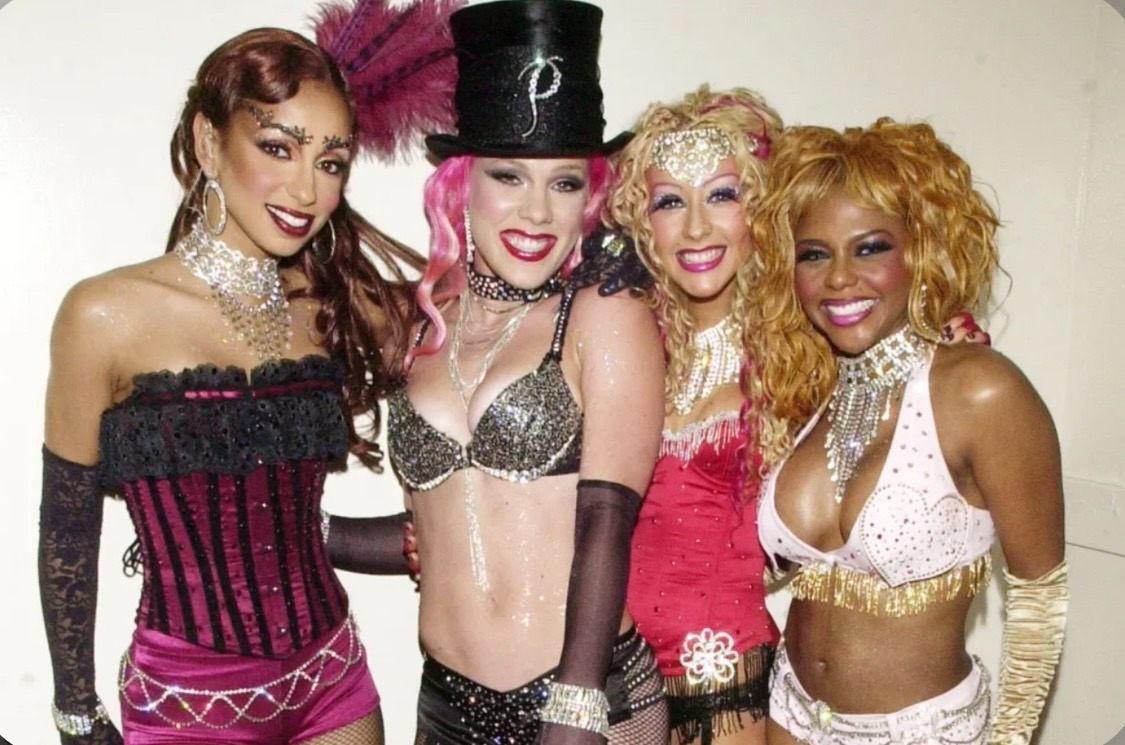
In 2000, she released her sophomore effort, The Notorious K.I.M., continuing her streak of provocation and commercial dominance. By 2001, she teamed up with Christina Aguilera, Pink, Mya, and Missy Elliott for the “Lady Marmalade” remake, which topped the Billboard Hot 100 and earned her a Grammy for Best Pop Collaboration.
But her professional triumphs were shadowed by personal tragedy. Her relationship with Biggie was deep but volatile. During the recording of her first album, Kim became pregnant with his child but made the agonizing decision to terminate the pregnancy, knowing their bond was too unstable. When Biggie was gunned down on March 9, 1997, in Los Angeles, it left a permanent scar. She later admitted she struggled to move on for years, even keeping some of his ashes in her home.
New Records, Beefs, and the Reset: Kim After the 2000s
In March 2003, Lil’ Kim made a massive comeback with La Bella Mafia, which debuted at number five on the Billboard 200, moving over 160,000 copies in its first week. The single “Magic Stick,” featuring 50 Cent, became a radio juggernaut and climbed to number two on the Hot 100—all without a formal music video.
The album went Platinum, solidifying her status as one of the few women in rap with three consecutive Platinum certifications. She hit the road with DMX and Nas, racked up nominations, and even became a subject of academic study. A Syracuse University professor famously created a course dedicated to her lyrics as a case study in the sexual politics of hip-hop.
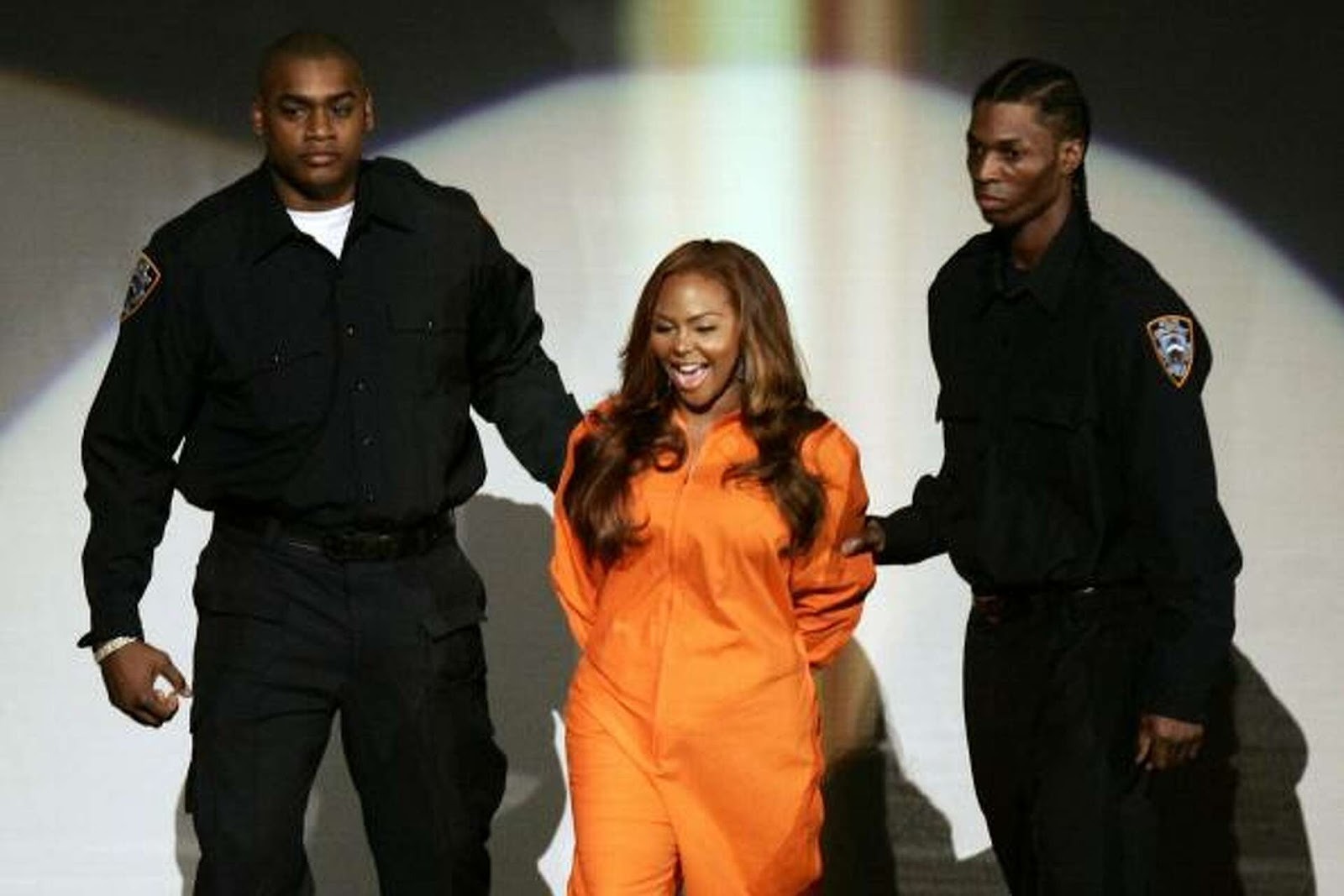
2005 was a major turning point. After a perjury conviction related to a shooting incident, Kim was sentenced to a year in prison. While serving her time, she released The Naked Truth. Despite a minimal PR push, the record debuted at number six on the Billboard 200, and Kim became the first female rapper in history to receive a perfect “5-mic” rating from The Source. Her single “Lighters Up” became a massive hit on BET, keeping her voice in the mainstream while she was behind bars.
After her release, Kim stayed busy: the Ms. G.O.A.T. mixtape, a stint on Dancing with the Stars, and new collaborations. In 2011, she dropped the provocative mixtape Black Friday, sparking a new wave of high-profile rap beefs.
In 2014, she released Hard Core 2K14 after several delays due to her pregnancy—an effort to bring “vintage Kim” into a modern soundscape. By 2016, she dropped Lil Kim Season, freestyling over Drake and Rihanna beats to prove her flow was still as sharp as ever.
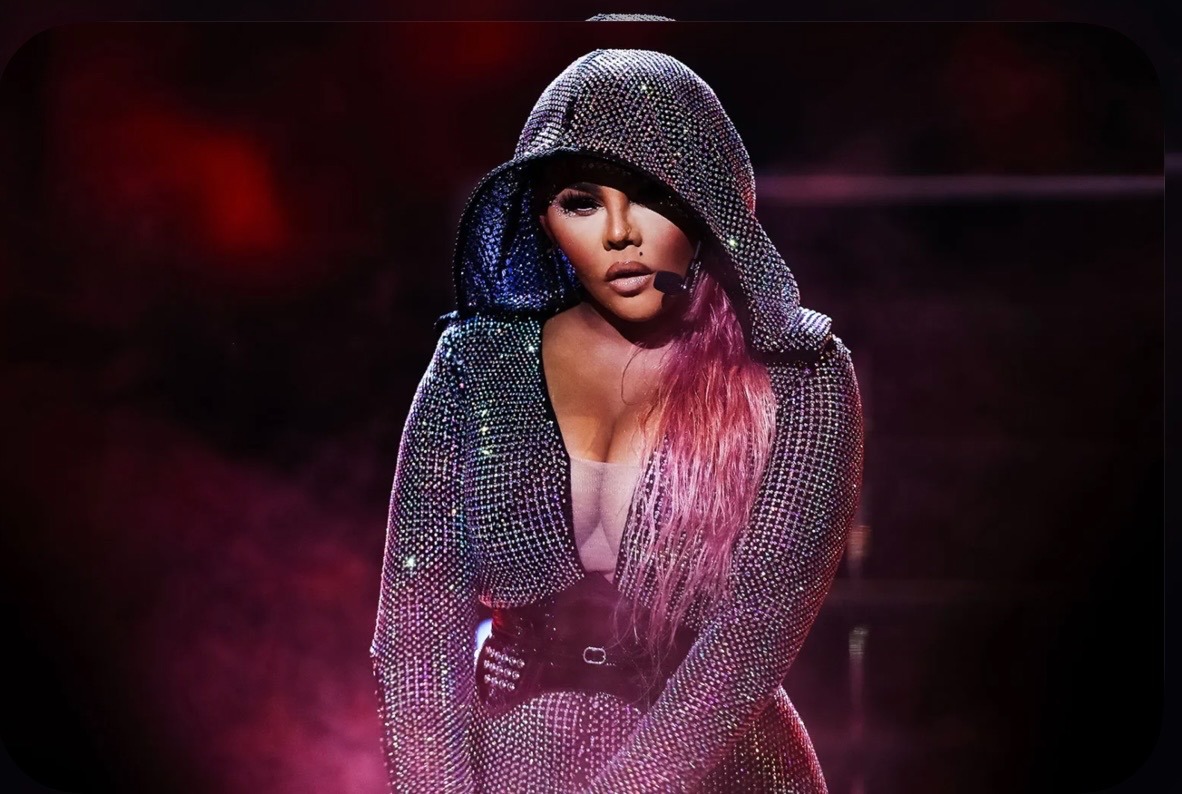
In 2019, her long-awaited fifth album, 9, arrived. The title symbolized the end of a cycle and a total reboot. That same year, she executive produced the VH1 reality show Girls Cruise—a story of a Caribbean voyage, sisterhood, and the freedom to be yourself. By 2021, she was honoring Queen Latifah at the BET Awards, and in 2023, she graced the cover of XXL’s digital series celebrating 50 years of hip-hop. In the interview, she reflected:
“Everyone calls me an icon. I never planned for this—it just happened organically.”
Influence, Business, and the Queen Bee Legacy
Since the late ’90s, Kim has been a powerhouse in the fashion world. In 1998, she signed with Wilhelmina Models and became the face of Candie’s—the first and only rapper in the brand’s history.
In 2000, she collaborated with the fashion house Iceberg and cosmetics giant MAC Cosmetics for the VIVA GLAM line alongside Mary J. Blige. The VIVA GLAM III campaign raised $4 million in a single year—a record for the brand at the time.
Her other ventures include:
- Collaborations with Baby Phat;
- The Royalty by Lil’ Kim watch collection with jeweler Jacob Arabo;
- Her own clothing line, Hollyhood;
- An appearance in the video game Def Jam: Fight for NY;
- A limited-edition Marvel Comics cameo.
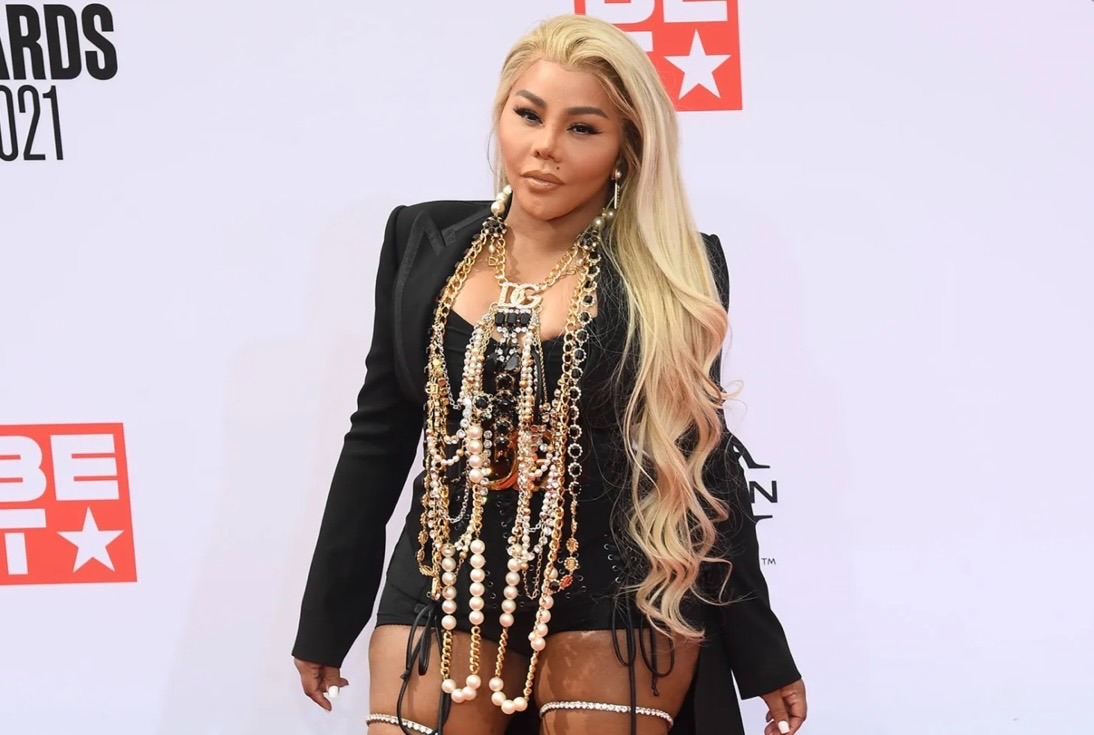
In the 2010s, Lil’ Kim became the face of Three Olives Vodka, opened a beauty salon in North Carolina, and launched the 24/7 Goddess Collection. Later, she partnered with Ciroc to create the “Queen Bee” cocktail. By 2022, she launched her cannabis brand, Aphrodisiak, collaborated with Supreme (a collection that sold out in minutes), and fronted the Mackage fall campaign. Most recently, she appeared in the Telfar × UGGcampaign, and her hit “The Jump Off” was featured in an American Express commercial.
Philanthropy and Social Impact
Kim’s heart has always been as big as her hustle. She has walked in the Fashion Cares shows in Toronto and joined the Artists Against AIDS Worldwide initiative. She has performed at breast cancer benefit concerts and supported the UCLA Breast Center and Memorial Sloan Kettering.
In 2004, she founded the Lil’ Kim Cares foundation to tackle HIV/AIDS, homelessness, and domestic violence. Her initiatives include:
- The Rock the Vote program;
- A collaboration with Marc Jacobs (with 100% of proceeds going to charity);
- Auctions for MusiCares;
- Support for the Elizabeth Glaser Pediatric AIDS Foundation.
She is also a longtime ally of the LGBTQ+ community, regularly performing at Pride events in NYC, Atlanta, and D.C.
Today, Lil’ Kim is more than just a ’90s rap icon. She is an era unto herself—one that survived scandals, loss, and the shifting tides of the industry. She changed the fashion, the rules, and the very idea of what a woman in hip-hop could be: loud, controversial, vulnerable, and unapologetic all at once.