This film turned the American Museum of Natural History (AMNH) into a true cinematic legend. By blending fantasy with reality, Hollywood created a gripping narrative that inspired a whole new generation of explorers. In this article on new-york-trend.com we’ll dive into the unique “museum effect,” the logistical dance between filming on-site and in the studio, and how one movie supercharged global interest in science, history, and tourism.
A Fairy Tale Born in the Stacks
The story of Night at the Museum begins with a refreshingly human struggle. Larry Daley is a guy who just can’t seem to get his act together or find common ground with his son. In a desperate search for stability, he takes what sounds like a dead-end job: night security at the American Museum of Natural History. But that one choice changes everything. A routine shift spirals into the extraordinary as the museum comes to life after sunset, triggering a series of chaotic, hilarious, and genuinely magical events.
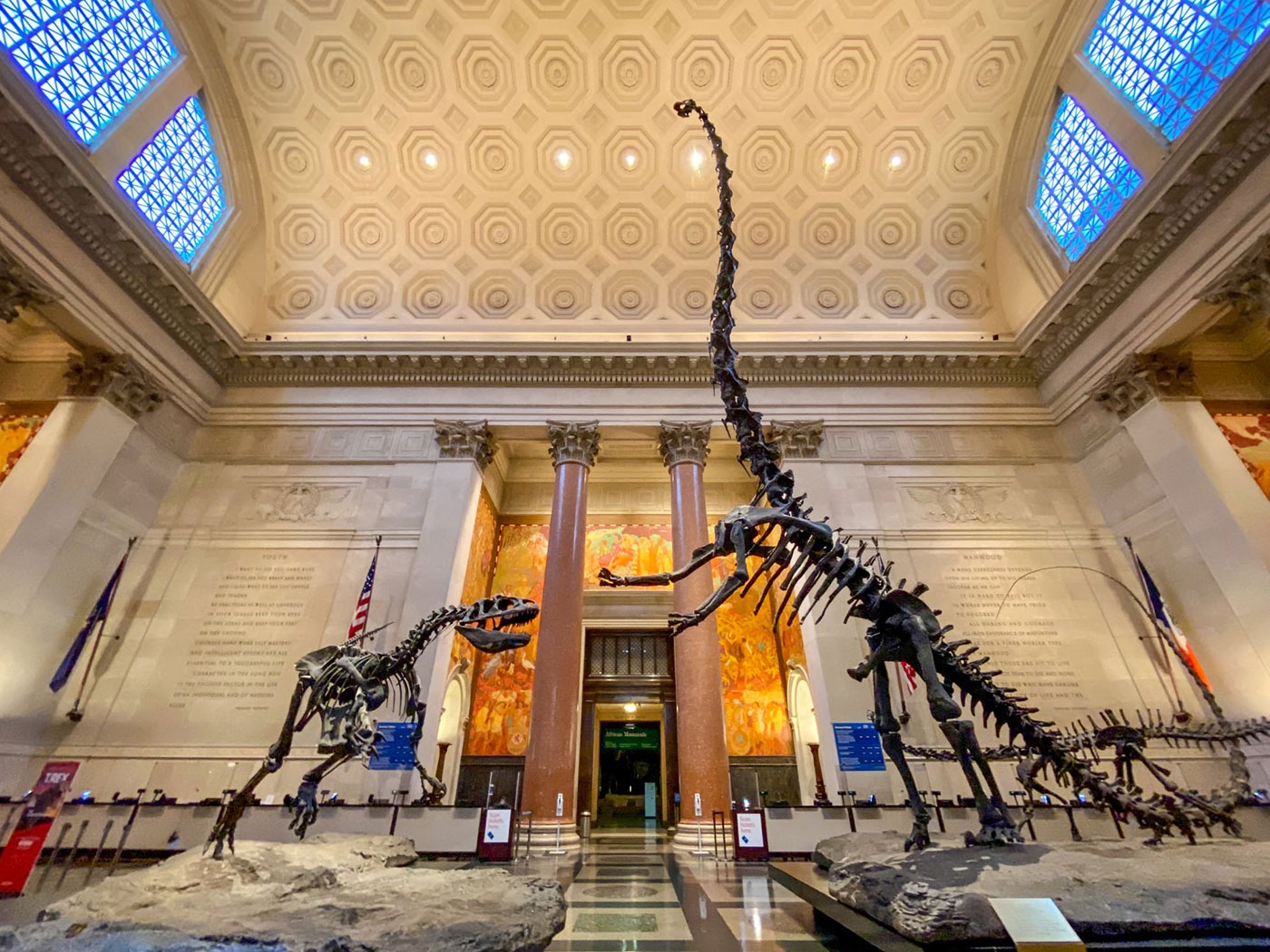
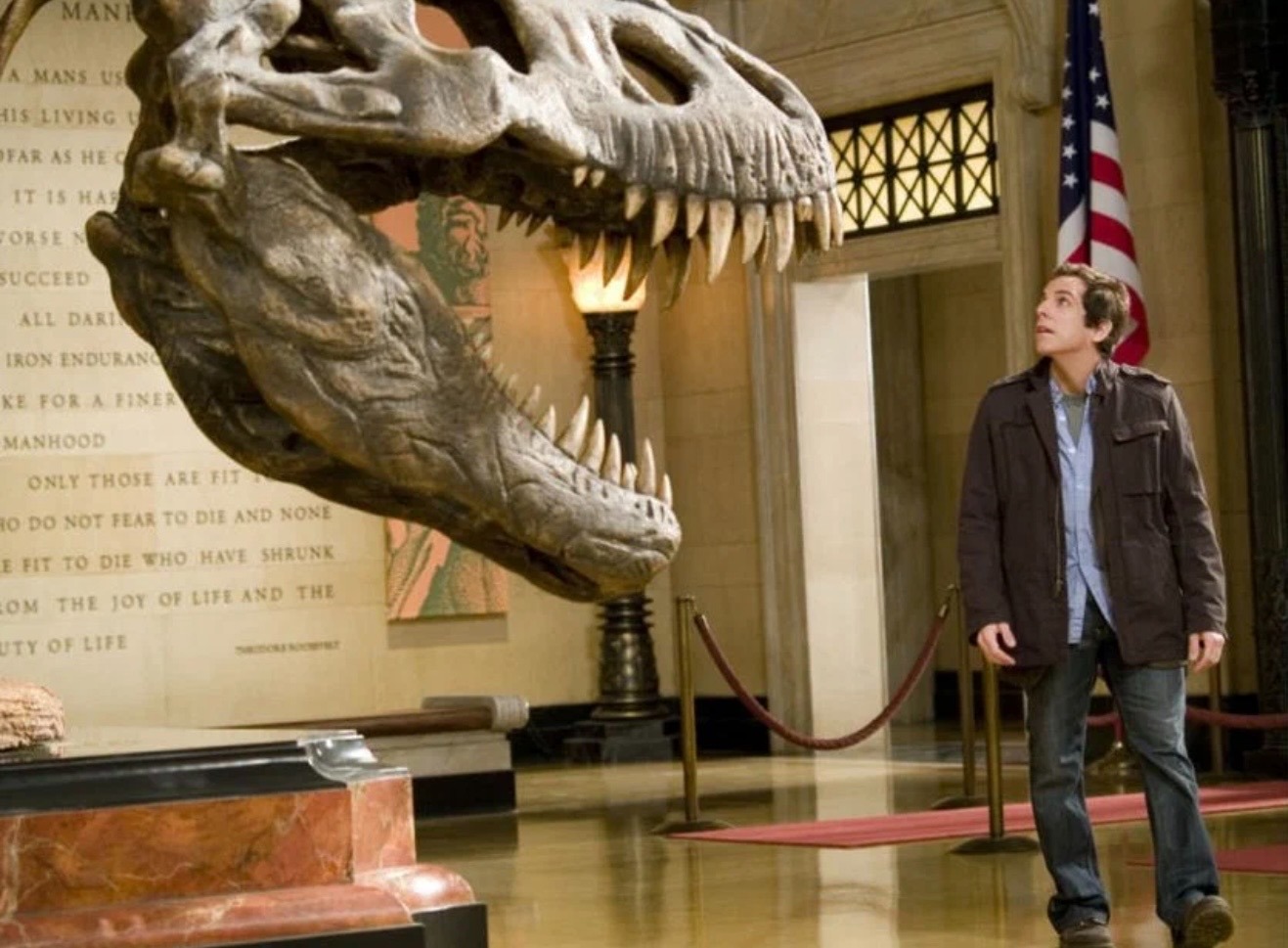
The real magic, however, isn’t just in the plot—it’s in the space itself. The museum isn’t just a backdrop; it’s a living character in the story. Its grand facade, the soaring rotunda with its massive T-Rex skeleton, and the meticulously crafted dioramas create an atmosphere where you truly believe the exhibits could start moving at any second.
The production crew leaned heavily into the authentic New York environment. They filmed the exterior scenes on-site to ground the story in the real world. They even used several interior shots of the actual museum as the blueprint for their studio sets. This commitment to detail created a sense of cinematic verisimilitude, making the high-concept fantasy feel almost like a documentary.
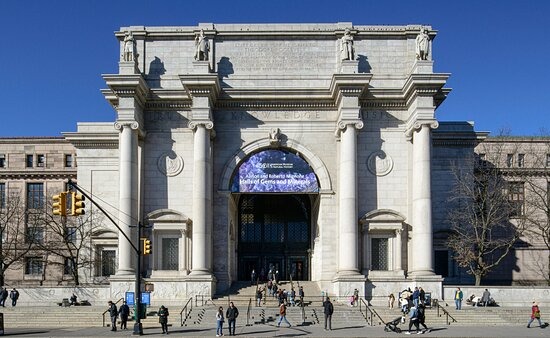
This was no accident. The AMNH is one of the world’s premier scientific hubs, founded in the 19th century and home to millions of specimens. In reality, it catalogs the history of our planet and humanity; on the big screen, it becomes a stage for adventure where dinosaurs and legendary figures step out of the shadows and into the light.
Mission Impossible: Why Filming On-Site Became a Nightmare
Shooting a Hollywood blockbuster in a functional, world-class museum is more than just a quest for authenticity—it’s a logistical minefield. Imagine a massive building that sees millions of visitors a year, filled with priceless artifacts, some of which are thousands of years old and kept under the strictest conditions.
The risks were simply too high. Any contact with heavy camera rigs, scorching studio lights, or moving set pieces could have caused irreparable damage to human history. On top of that, the museum couldn’t just shut its doors to the public for weeks; its educational mission was far too important to put on hold for a film crew.
The issues of space and control were equally daunting. High-octane action scenes, where exhibits run wild, require massive movement, stunts, and CGI integration. The actual museum galleries simply didn’t have the room to safely choreograph that kind of chaos. To get that perfect cinematic look, the director needed total control over the lighting and camera placement—things a historic building doesn’t easily provide.
The solution was pure Hollywood magic. While the soul and inspiration of the film stayed in New York, the heavy lifting moved to a massive studio in Vancouver. There, the creators had total control over the environment. They could build sets specifically for the stunts, manipulate the lighting, and stage massive set pieces without risking a single real-world artifact. The real museum provided the heart, but the studio provided the freedom for the magic to come alive.
From Blueprints to T-Rex: How the Cinematic Museum Was Born
Long before the cameras ever rolled, the world of Night at the Museum lived in blueprints, floor plans, and hundreds of hours of observation. Pre-production was essentially a detective process. The crew spent weeks immersed in the halls of the American Museum of Natural History (AMNH), measuring every corner, photographing every exhibit, and using laser-scanning technology to create a perfect digital twin of the real-world space.
Designers didn’t just draw sketches; they developed a 3D puzzle that accounted for every camera move, lighting setup, and stunt. Storyboards mapped out how the exhibits would “wake up,” how action scenes would weave through the labyrinth of halls, and how hundreds of technicians could safely move within the complex set.
Once the designs were finalized, Mammoth Studios in Burnaby was transformed into a massive construction site. Carpenters and engineers built hall frames designed to support the weight of heavy lighting rigs and props. Under the guidance of production designer Claude Paré, the team meticulously recreated the key halls of the AMNH, crafting sets that looked as if they had stood for decades:
- The Roosevelt Rotunda – The heart of the museum and the most ambitious location. The sculptures, massive arches, and the towering T-Rex skeleton (a mix of practical props and CGI) were all built from blueprints and laser scans of the real museum. Materials like fiberglass, plaster, and wood were textured and painted to look exactly like authentic stone and marble.
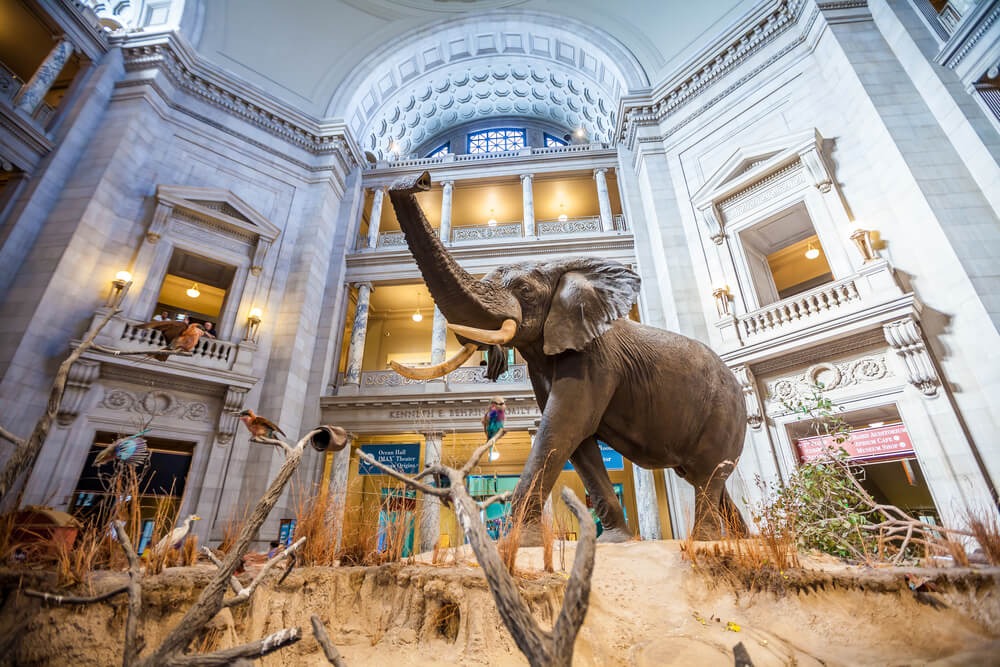
- The Hall of African Mammals – The legendary dioramas of lions, giraffes, and elephants were recreated in three dimensions with staggering detail.
- The Egyptian Wing – The Tomb of Ahkmenrah, complete with hieroglyphics and sarcophagi, came to life through detailed carving and aged-stone textures. Interactive elements, like the sliding lid of the sarcophagus, worked flawlessly on camera.
- The Hall of Miniatures / The Wild West – To achieve the right perspective, tiny cowboys and Roman legionnaires were handcrafted with incredible precision to look truly microscopic on screen.
- Other Exhibits – From Neanderthal caves to various cultural displays, everything was built from scratch by a dedicated team of sculptors, painters, and prop makers.
Ben Stiller, Robin Williams, Owen Wilson, and Steve Coogan performed on these elaborate sets in Vancouver. They often had to interact with animatronics, CGI markers, or crew members in green suits, which required immense imagination and focus.
In post-production, the visual effects team integrated CGI into the live-action footage. This is where Rexy the T-Rex, Dexter the monkey, and the Roman legions were born. Digital enhancements were added to backgrounds and ceilings, while Alan Silvestri’s iconic score perfectly captured the magic of a night where history truly lives.
The “Museum Effect” in Filmmaking
This film didn’t just tell a story; it reignited a global interest in visiting museums. This phenomenon, known as the “museum effect,” occurs when a popular cultural product—like a blockbuster—inspires people to visit the real-world locations it depicts. For the American Museum of Natural History, the movie was a massive breakthrough. Suddenly, children and adults alike wanted to walk the halls, hoping to catch a glimpse of an exhibit “coming to life.”
The film achieved this by humanizing history, breathing life into prehistoric creatures and historical figures, and making science accessible and thrilling for younger audiences. It tapped into a universal childhood fantasy—that toys or statues might wake up when no one is looking—and gave it a grand, cinematic stage.
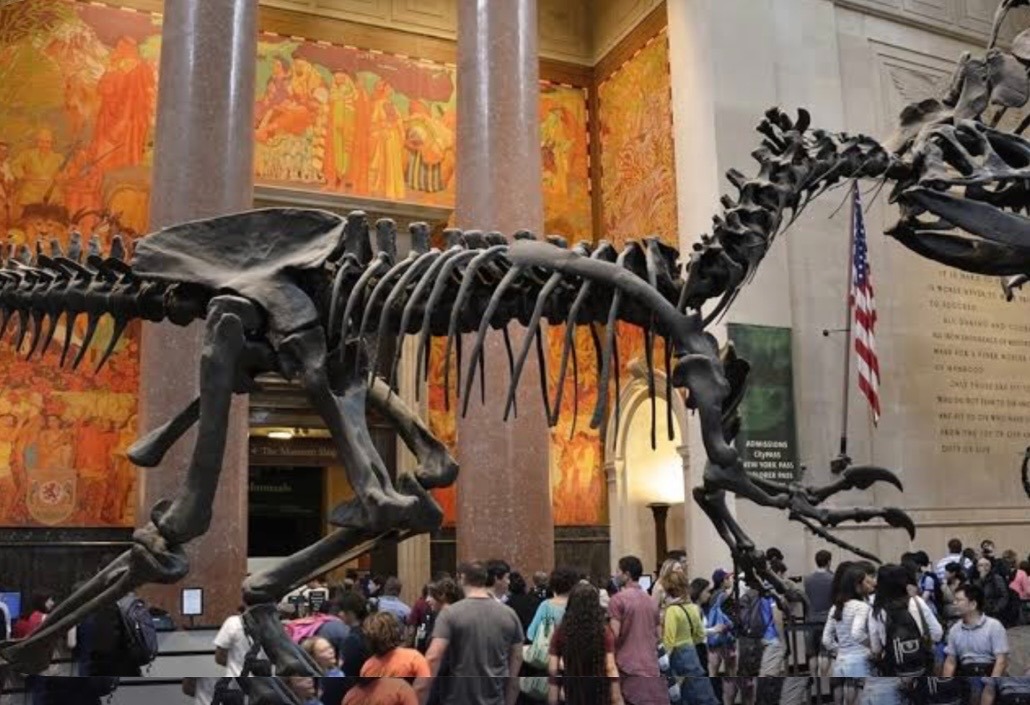
The real-world museum saw an incredible boost in popularity. The AMNH recorded a sharp spike in attendance, particularly among families. People were eager to see “the museum from the movie,” visit the Roosevelt Rotunda, and find the famous T-Rex.
The institution capitalized on this fame by launching “Night at the Museum” sleepovers, allowing guests to explore after hours. They created interactive trails based on the film’s characters and developed educational programs that used the movie’s plot as a bridge to real-world scientific and historical concepts. This is a prime example of how cinema can influence society, inspiring people to rediscover history and science in a vibrant, exciting new light.