Her name is synonymous with dazzling spotlights, sequins, and absolute devotion to the stage. On March 1, 2026, the world celebrated the 80th birthday of this remarkable woman, whose life resembles a breathtaking Hollywood screenplay. In this article on new-york-trend.com, we explore her journey from the shadow of her iconic mother, Judy Garland, to her triumph in Cabaret, her battles with addiction, the glamour of the Studio 54 era, and the release of her unfiltered memoir in 2026.
Childhood in the Spotlight
Liza May Minnelli was born on March 12, 1946, in Los Angeles, right in the heart of the Hollywood machine. She was destined for stardom from day one, as her parents were the legendary actress and singer Judy Garland (the star of The Wizard of Oz) and the visionary film director Vincente Minnelli.
Liza made her screen debut at just three years old in the final scene of the 1949 film In the Good Old Summertime, starring her mother. The little girl basically grew up on the soundstages of MGM studios. Vincente Minnelli absolutely adored his daughter. Once, when Liza was on her way to summer camp and realized 45 minutes into the drive that she had left her favorite doll behind, her father turned the car around without hesitation to retrieve it.
“He treated me like a princess. He made costumes for me: a ballerina outfit or a dress from the musical The King and I. Through those clothes, he brought magic and romance into my life,” Liza recalled.
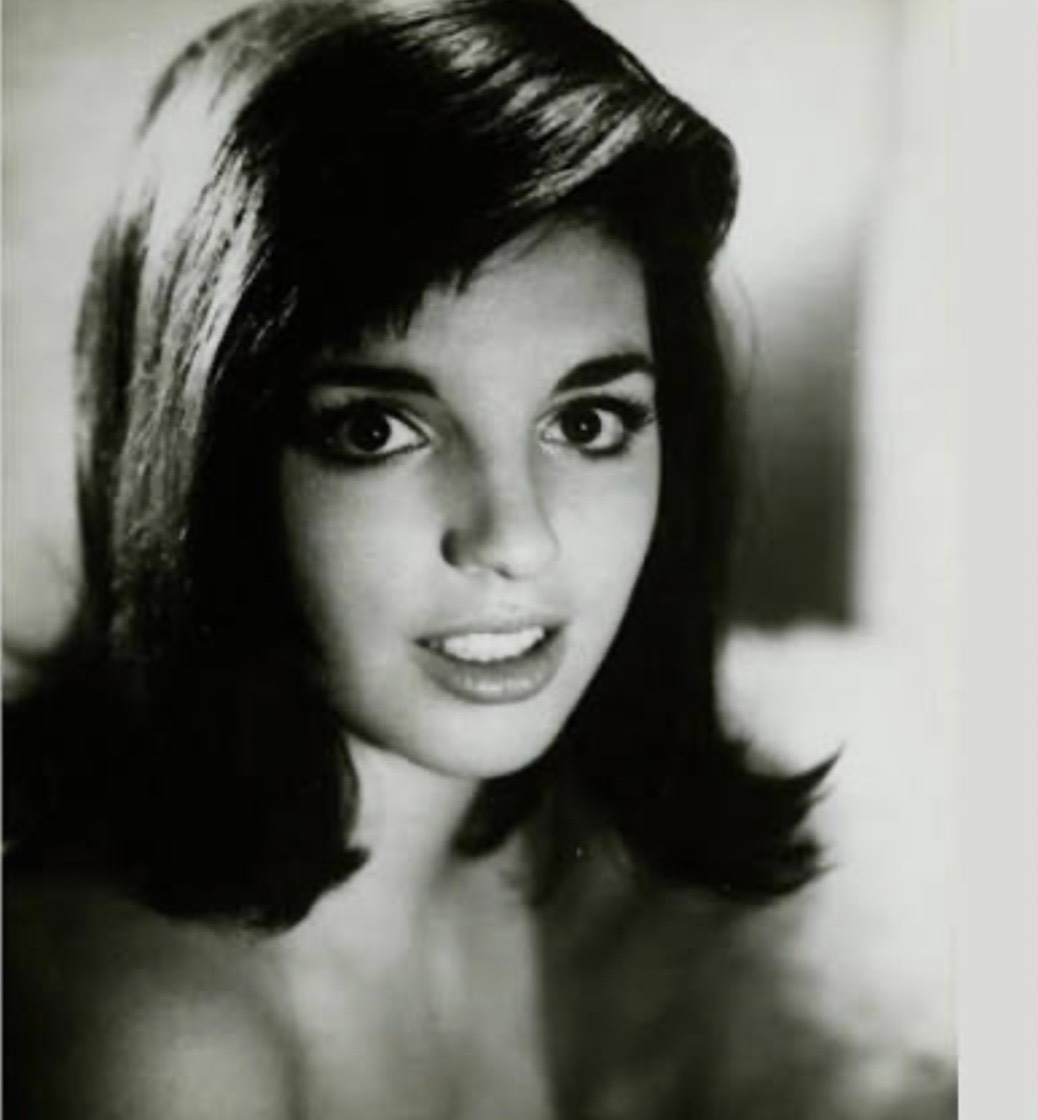
However, her relationship with her mother was much more complicated. In 1951, her parents divorced, and Liza began splitting her time between two households. Judy Garland suffered under the brutal demands of the studio system, which led to deep depression and an addiction to prescription drugs and alcohol. Liza had to grow up fast. She became the primary caregiver not only for her mother but also for her younger half-siblings, Joey and Lorna, from Garland’s subsequent marriage.
Despite the hardships, it was Garland who taught Liza the art of stage performance. In 1964, they performed together at the London Palladium, marking the first major shared triumph for the mother-daughter duo. It was during this time that Garland began to see Liza not just as her child, but as a serious peer and competitor.
“One time I was performing with my mother and suddenly realized she wasn’t Mom… she was Judy Garland,” Minnelli recalled of the experience.
Following Garland’s death from an accidental overdose in 1969, Liza was left to navigate the shark-infested waters of show business alone, driven by a profound need to prove her own professional worth.
The Triumph of “Cabaret” and the “Liza with a Z” Phenomenon
Determined to step out of her mother’s towering shadow, a 17-year-old Liza moved to New York City to conquer the theater scene. Her professional debut took place in the off-Broadway production Best Foot Forward in 1963. But her true breakthrough came in 1965, when the 19-year-old Minnelli played the lead role in John Kander and Fred Ebb’s musical Flora the Red Menace. This performance earned her a Tony Award, making Liza one of the youngest actresses in history to win the honor.
On the silver screen, her first major bid for success was the role of the eccentric Pookie Adams in the film The Sterile Cuckoo (1969), which earned her a first Oscar nomination. However, Minnelli cemented her status as a superstar and a global legend in 1972 when she played Sally Bowles in the film adaptation of the musical Cabaret, directed by Bob Fosse.
To become Sally, Liza completely revamped her image. On her father’s advice, she drew inspiration from silent film star Louise Brooks, chopping her hair into a short, graphic pixie cut that would become her lifelong trademark. Heavy false eyelashes and bold outfits completed the iconic look. The role won Liza the Academy Award for Best Actress, along with a Golden Globe and a BAFTA. Cabaret took home eight Oscars in total, setting a record for films that didn’t win Best Picture.
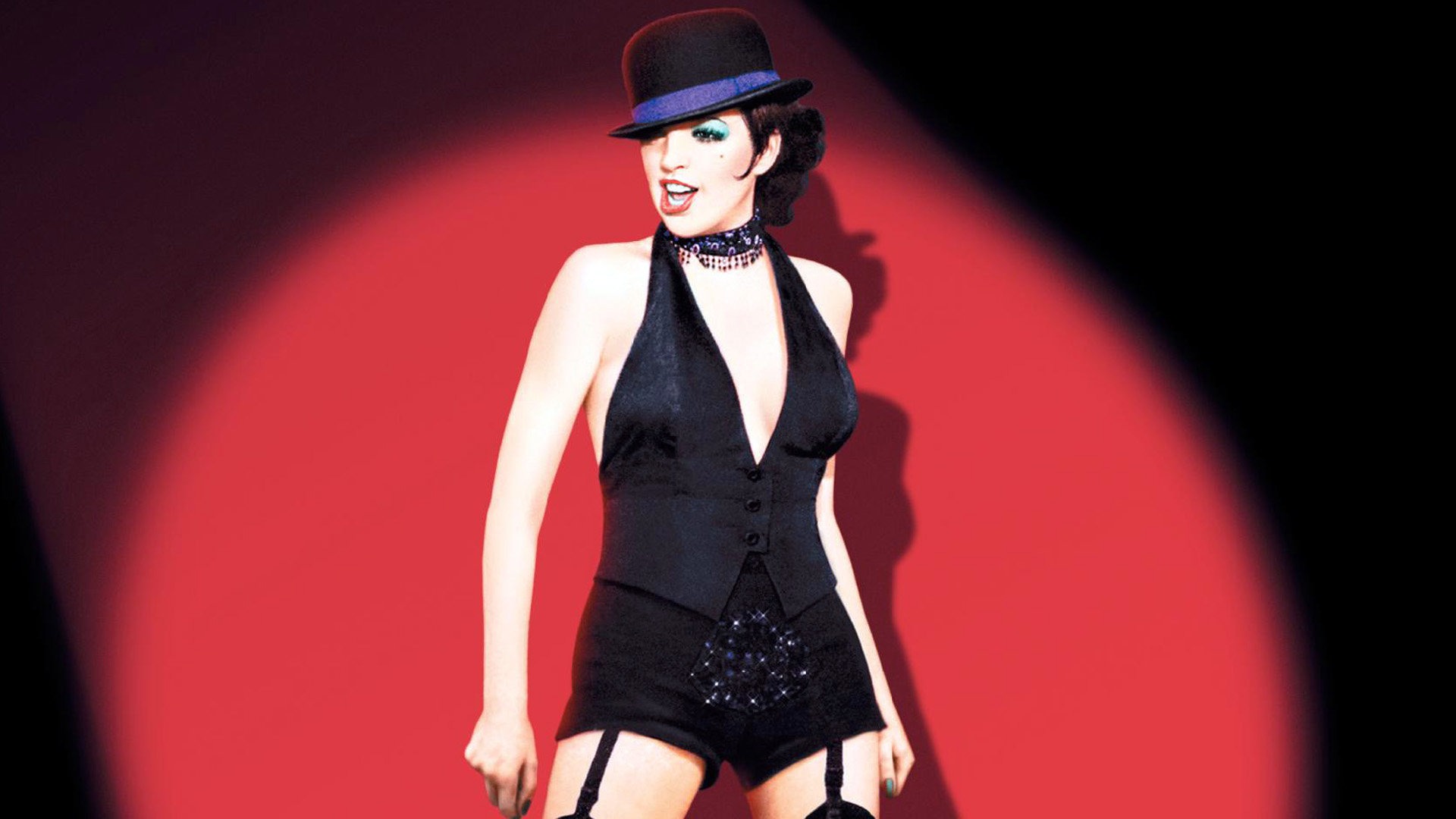
That same year, Fosse and Ebb created the television concert Liza with a Z specifically for her. Shot with eight 16mm cameras at the Lyceum Theatre in New York, the concert was a groundbreaking moment for television and won Minnelli an Emmy Award. Following these massive wins, she solidified her position as a uniquely versatile, multi-hyphenate artist.
Other landmark projects soon followed. In 1977, Liza starred alongside Robert De Niro in Martin Scorsese’s film New York, New York. Although the movie wasn’t a massive box-office hit, its title track, “Theme from New York, New York,” permanently became one of Liza’s signature musical anthems. In 1981, she struck gold again with the romantic comedy Arthur, co-starring Dudley Moore. Additionally, the actress took home another Tony Award for her leading role in the Broadway musical The Act.
Fashion Aesthetics: Halston, Studio 54, and Andy Warhol
Liza Minnelli left an indelible mark not only on the performing arts but also on global fashion. Her style became the ultimate embodiment of 1970s glamour. The mastermind behind her wardrobe was American designer Roy Halston Frowick, known simply as Halston.
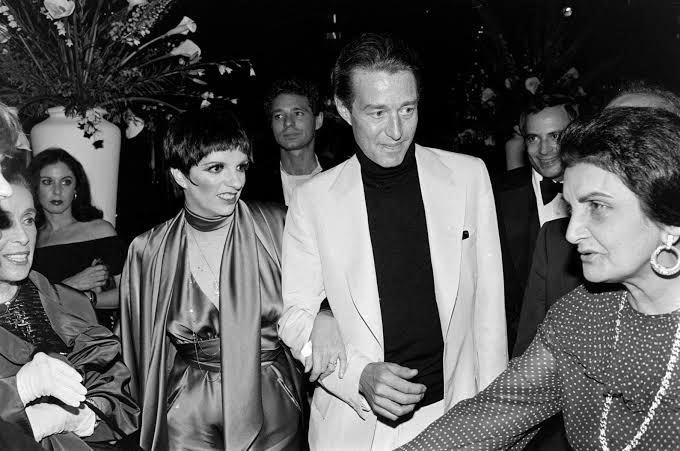
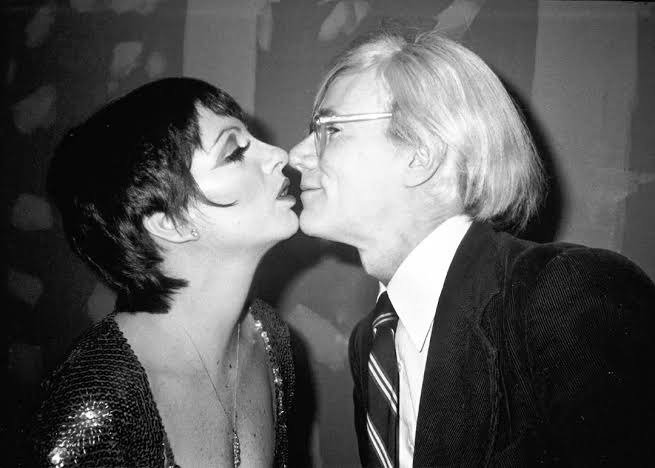
He designed silhouettes that perfectly complemented her high-energy choreography: flowing tunics, glittering pantsuits, and plunging chiffon blouses. In the 1970s, Minnelli was the undisputed queen of New York nightlife and a regular at the legendary Studio 54. Inside the club, famous for its exclusivity and hedonism, Liza danced alongside Andy Warhol, Truman Capote, Bianca Jagger, and Grace Jones. Pop artist Andy Warhol frequently photographed and painted Liza, notably creating iconic, vibrant covers for Interview magazine.
“Warhol made me look at myself and my parents differently. He found emotional colors that I had never noticed before… Three words about Andy: Genius. Trust. Generosity,” Minnelli shared.
Minnelli’s influence on fashion endured for decades. Renowned designers, including Thierry Mugler, created custom stage costumes for her, deeply inspired by her androgynous theatricality and powerful stage presence.
Personal Life: Love, Tragedy, and the Battle for Health
Liza’s personal life was just as turbulent as her career. She was married four times, with every marriage ultimately ending in divorce.
- Peter Allen (1967–1974): An Australian musician and her mother’s former protégé. It was later revealed that he was gay and even had an affair with Judy Garland’s husband, Mark Herron.
- Jack Haley Jr. (1974–1979): A director and producer. Poetically, his father played the Tin Man alongside Judy Garland in The Wizard of Oz. Liza remembers this marriage the most fondly, calling Jack the gentlest and most fascinating man she knew.
- Mark Gero (1979–1992): A sculptor and theatrical manager. They were married in a Manhattan church, and Liza’s stunning wedding dress was designed by Halston.
- David Gest (2002–2003/2007): A television producer. Their wedding was incredibly lavish and bizarre (Michael Jackson served as the best man, and Elizabeth Taylor was the maid of honor). However, the marriage imploded after just 16 months, resulting in highly publicized, scandalous lawsuits. Gest accused Minnelli of alcohol-fueled physical abuse, though the court eventually dismissed the charges.
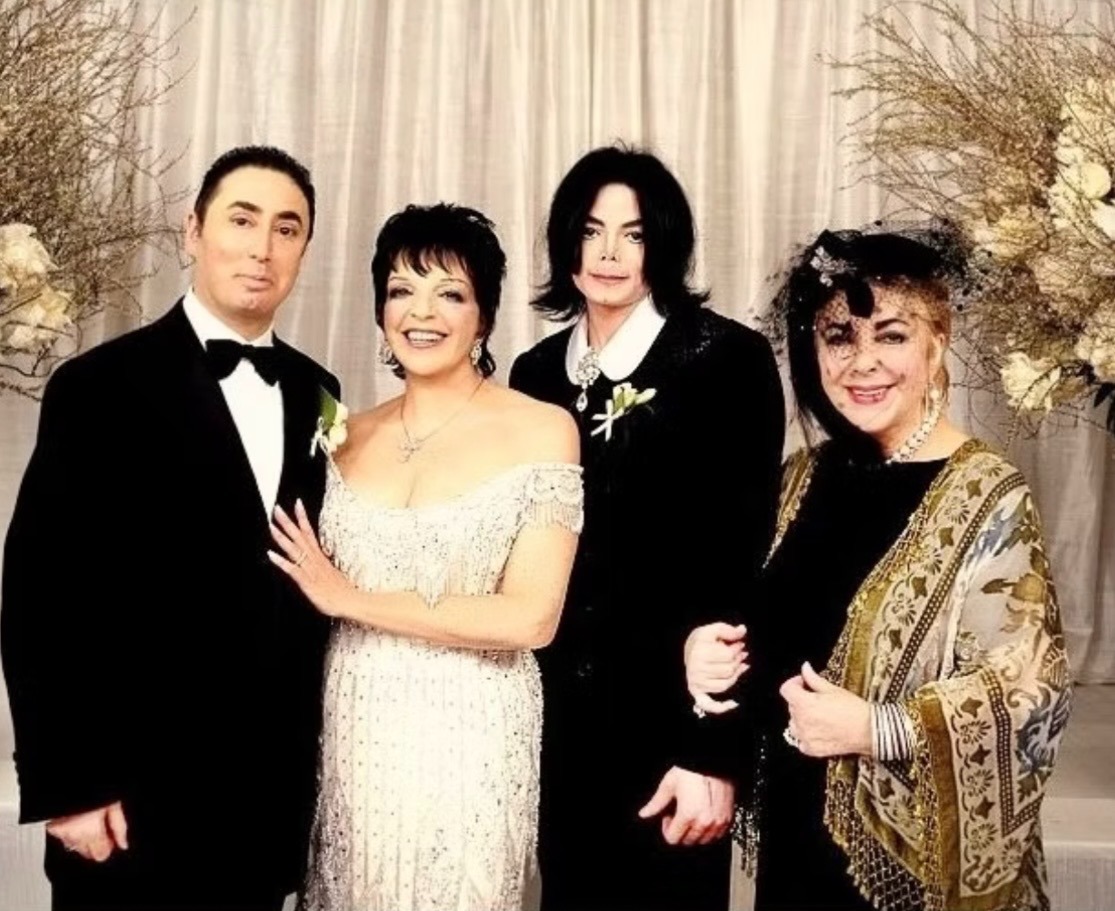
Liza never tried to hide her fierce battles with addiction. What started with Valium after her mother’s death eventually escalated into recreational drug use during the Studio 54 era. Her passionate romance with director Martin Scorsese during this time was heavily fueled by drugs, a fact Minnelli openly confirmed in her memoir. In 1984, acknowledging that she had hit a breaking point, she left the Broadway musical The Rink and voluntarily checked into the Betty Ford Clinic for rehabilitation.
Besides fighting her addictions, Minnelli faced terrifying health scares. In 2000, after contracting a severe case of viral encephalitis, doctors predicted she would spend the rest of her life in a wheelchair and might never speak again. However, grueling daily vocal and dance therapy helped her make a miraculous, full recovery. Not only did she return to the stage, but she also performed flawlessly at the Michael Jackson 30th Anniversary tribute concert in 2001.
When it comes to her life’s trials, Liza maintains a deeply philosophical outlook:
“Things change. They just change, and you hope for the best… If it’s tough right now, you’ll get through it, and it will get better. And if it doesn’t—get out of there.”
The Unfiltered Memoir
In the spring of 2026, Liza Minnelli released her first comprehensive memoir, appropriately titled Kids, Wait Till You Hear This! My Memoir, co-authored with her closest friend and renowned musician Michael Feinstein. In the book, she offers an honest, unvarnished look at the grueling Hollywood studio system, her battles with addiction, and the most painful moments of her life.
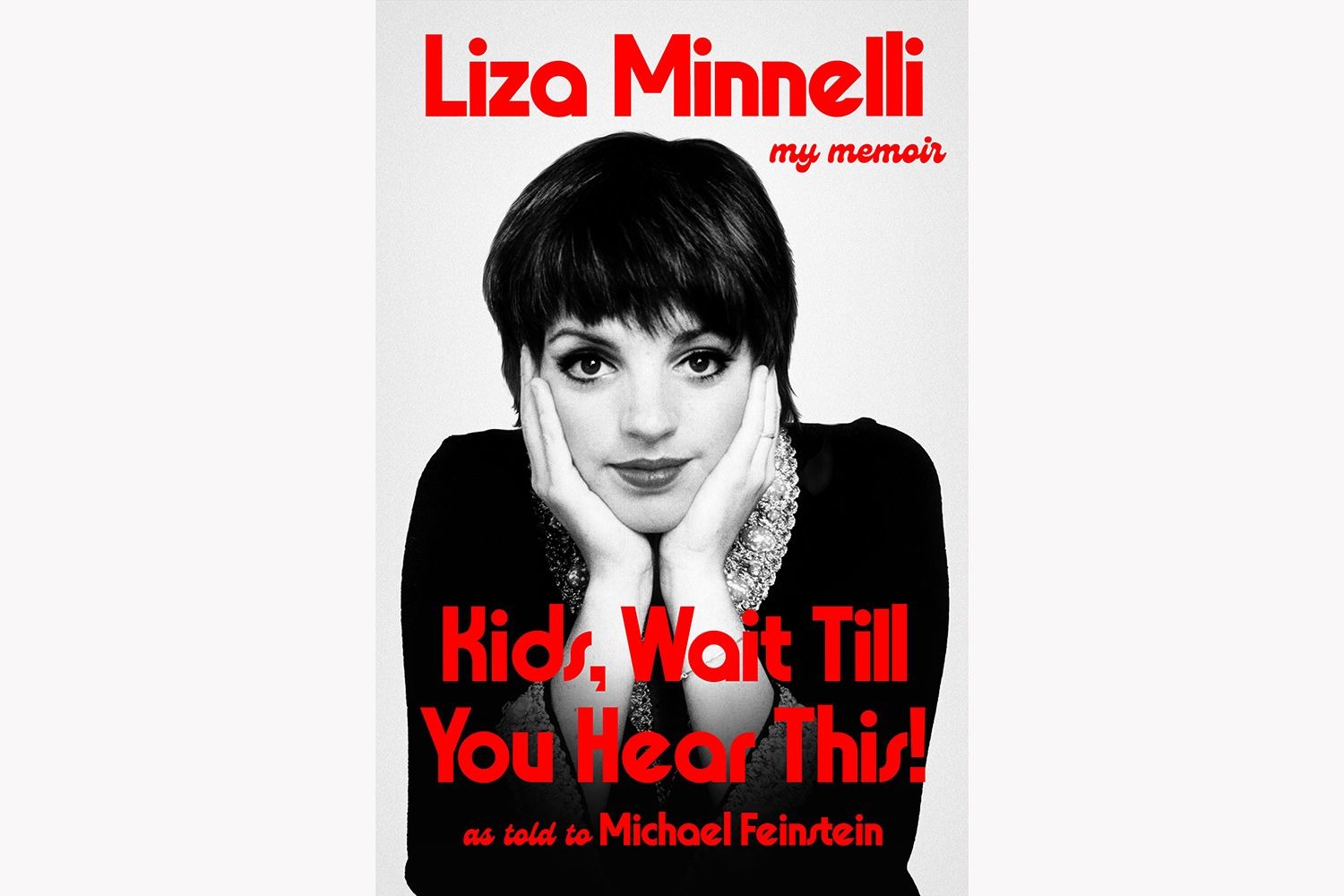
Minnelli didn’t shy away from the darkest periods of her alcoholism, vividly recounting an incident in October 2003 when she was lying drunk on Lexington Avenue in New York, and pedestrians simply stepped right over her. Yet, the entire book is infused with a fierce, survivor’s optimism.
“We are not hopeless… We can get better. I am living proof of that,” the star concludes.
The book’s release was accompanied by a minor media storm surrounding the January 2026 drop of the promo single “Kids Wait Till You Hear This.” The tech company ElevenLabs used AI to create musical arrangements for the track, sparking a massive wave of online criticism. Liza personally shut down the rumors, taking to the press to clarify that her real voice was neither copied nor generated by artificial intelligence. The media buzz surrounding the legend’s 80th birthday also included the release of the documentary LIZA: A Truly Terrific Absolutely True Story, which premiered on the American PBS network on April 1, 2025. The film features incredibly rare archival footage and intimate interviews with Mia Farrow, Joel Grey, and Chita Rivera.
Liza Minnelli never strived to be a picture-perfect ideal. She is the embodiment of the raw, pulsating nerve of the performing arts. Despite every brutal fall, she returned to the stage time and time again, bringing audiences to their feet for a standing ovation.
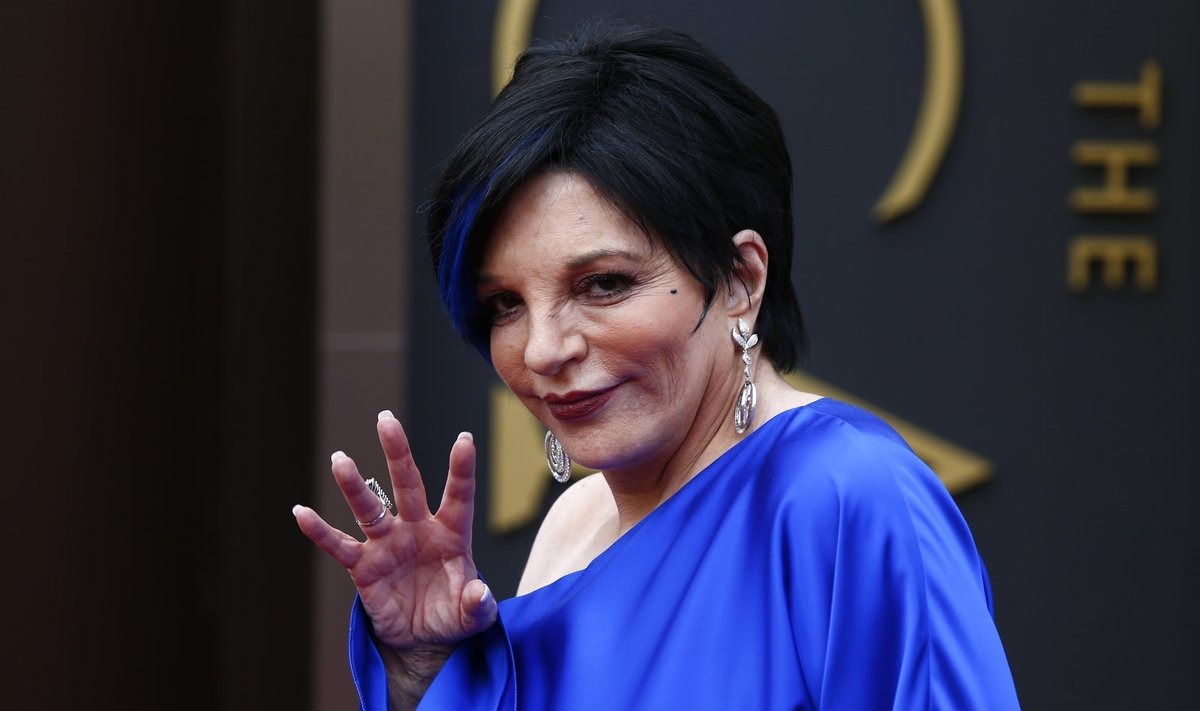
“I paved my own lane,” she said in a rare 2024 interview. “I worked, and I work, as hard as I possibly can… My work is the real deal.”
Liza has proven beyond a shadow of a doubt that it’s possible to survive your darkest times, turn your pain into a spectacular show, and forever etch your name into the history of global culture.