


New York has always been a city of incredible wealth—rich with notable people in science, politics, healthcare, and, of course, the music industry. In the city’s vibrant 1960s music scene, few acts soared to such heights of popularity as Simon & Garfunkel, the iconic folk-rock duo. With the unparalleled songwriting talent of Paul Simon and the ethereal voice of Art Garfunkel, the duo’s popularity skyrocketed, capturing the hearts of millions not just in New York, but across the globe. Their unique blend of folk, rock, and acoustic pop, defined by intricate melodies and poetic lyrics, made them a sensation in the second half of the 20th century. Read more on new-york-trend.
The Duo’s Formation
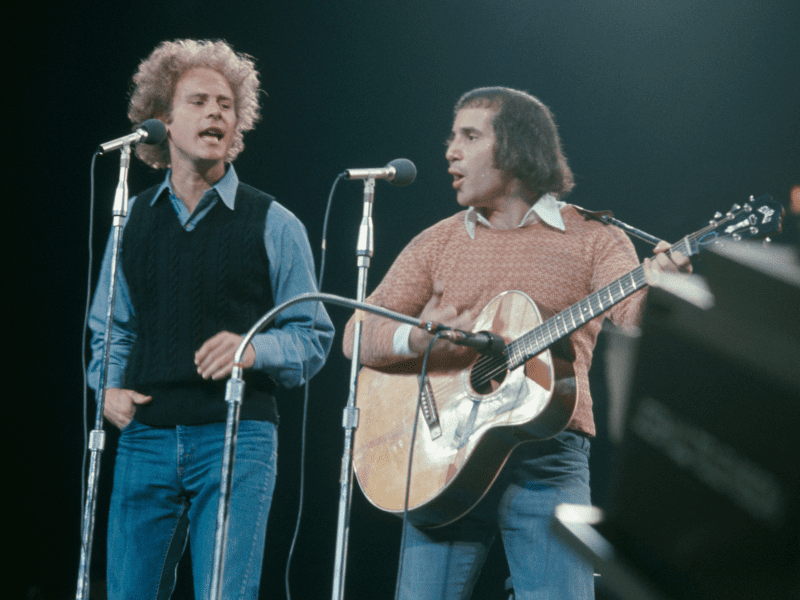
Paul Simon and Art Garfunkel’s paths first crossed in the late 1940s and early 1950s when they were students at a high school in Queens. From a young age, they were united not only by friendship but also by a deep love for music. So, they decided to pursue their musical talents and creative careers together. As teenagers, they performed as “Tom & Jerry,” and after a small taste of success, they each decided to launch a solo career. Despite the brief hiatus, the duo reunited in the early 1960s, this time as “Simon & Garfunkel.” They were inspired by their passion for folk music, a genre that was sweeping the nation at the time.
Rise to Stardom
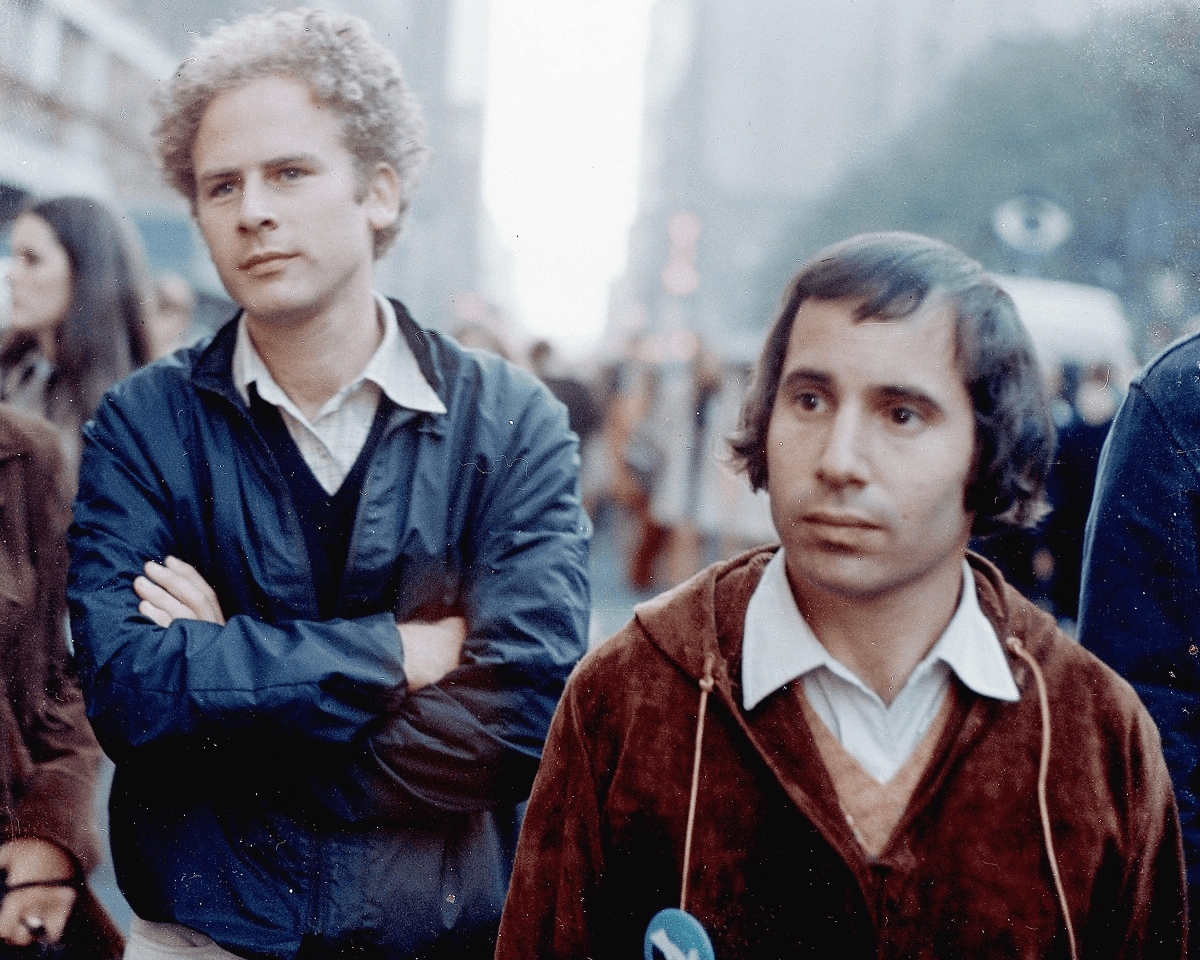
The year 1964 was a breakthrough year for the New York duo’s career. It was then that they released their debut album, Wednesday Morning, 3 A.M. Initially, the album was a failure, and the duo even broke up for a while. However, fate had other plans as the folk-rock sound found its footing and began to gain momentum. Unbeknownst to the duo, a remixed version of their track “The Sound of Silence” was released, sparking a new interest in Simon & Garfunkel.
Inspired by their unexpected success, the duo Simon & Garfunkel reunited and embarked on a musical tour that would forever change their destiny and career. Their second album, Sounds of Silence, which came out in 1966, cemented their position in the music industry, featuring popular tracks like “I Am a Rock” and “Kathy’s Song.” The album’s introspective and poetic lyrics resonated with many listeners in New York and across the U.S. and reflected the spirit of the latter half of the 20th century, a time of social change and self-discovery.
The Peak of Success
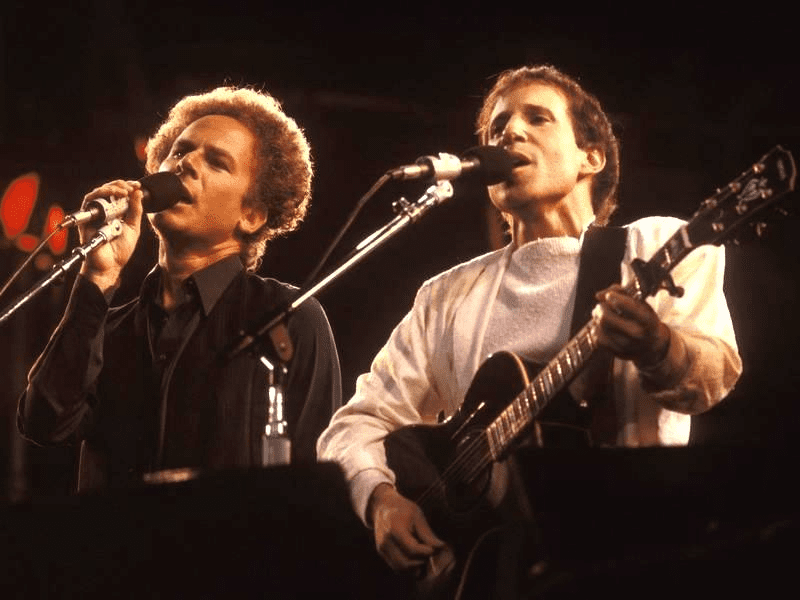
As the 1960s progressed, Simon & Garfunkel released a series of critically acclaimed albums, including Parsley, Sage, Rosemary and Thyme and Bookends. The latter album featured timeless classics that haven’t lost their popularity, such as “Mrs. Robinson” and “America,” which became hits for a generation grappling with complex social issues.
In 1970, Simon & Garfunkel released what would become their swan song, the iconic album Bridge Over Troubled Water. This outstanding collection showcased the duo’s musical versatility and emotional depth, and the title track became a true symbol of comfort and hope during the turbulent times of the 1960s and 1970s in the U.S. The album won several Grammy Awards. Simon & Garfunkel became the most beloved band of the 1960s in New York.
Although the New York duo’s career was very successful in the 1960s, tensions between Simon and Garfunkel began to rise, ultimately leading to their final split in 1970. Each went on to have successful solo careers, but they never returned to working together. From that point on, the two artists went their separate ways, leaving an unforgettable mark on the music world individually.
Even though the peak of the New York band Simon & Garfunkel’s popularity was in the 1960s and 1970s, their legacy of songs continues to live on and inspire listeners and artists around the world, even in the 21st century.
The musical style of Simon & Garfunkel could be described as a unique mix of folk, rock, and acoustic pop, characterized by intricate melodies and poetic storytelling. Their music combined a melodic simplicity that resonated with audiences in the 1960s. Some of the main key elements that define Simon & Garfunkel’s style were:
- folk roots;
- vocal harmony;
- thoughtful and poetic lyrics;
- acoustic instrumentation;
- evolution of folk-rock;
- melodic memorability;
- social and political undertones.
The impact of their music in the 1960s remains unmatched, and their legacy as one of the most popular bands of that era endures in the 21st century. The musical style of the New York folk group combined a folk sensibility, enchanting melodies, and poetic songwriting. This created timeless songs. Although Simon & Garfunkel broke up and reunited many times, Paul Simon and Art Garfunkel’s paths eventually diverged. Their music remains a cherished part of the New York and American music industry from the 1960s and 1970s.