


Lincoln Center is one of New York’s most iconic cultural institutions, serving as a hub of artistic excellence and innovation. It hosts some of the most famous performances in the fields of theater, opera, ballet, and classical music. For decades, Lincoln Center has shaped the city’s artistic landscape. But how did it become the heart of New York’s cultural scene? Read more about it in this article on new-york-trend.
The History of Lincoln Center
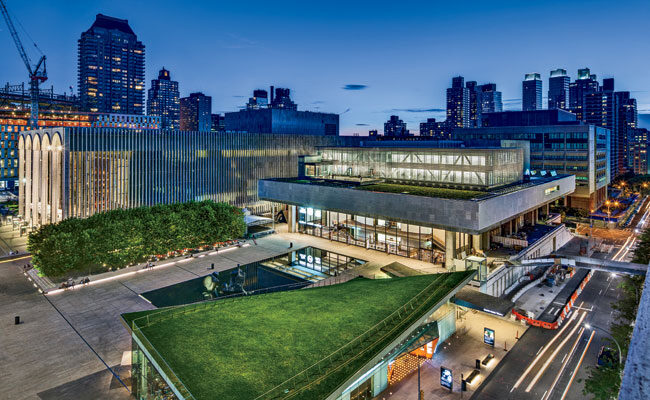
Lincoln Center was created through the initiative of philanthropist John D. Rockefeller III as part of the “Lincoln Square Renewal” project in New York during the 1950s and 1960s.
In 1956, Rockefeller led Lincoln Center as its first president, and after stepping down in 1961, he took on the role of chairman. He is credited with raising more than half of the $184.5 million in private investment needed for the complex’s construction, which included his own savings and support from the Rockefeller Brothers Fund. Renowned architects were brought in to design the various buildings. The first three major venues—David Geffen Hall (formerly known as Philharmonic Hall and later Avery Fisher Hall), the David H. Koch Theater (formerly the New York State Theater), and the Metropolitan Opera House—were opened in 1962, 1964, and 1966, respectively.
The origin of the name “Lincoln Center” remains somewhat unclear. It is not known whether the complex was named in honor of Abraham Lincoln or if the name is simply tied to its location in the Lincoln Square neighborhood. The neighborhood was given its name in 1906 by a resolution of the New York City Board of Aldermen, but no official documentation explaining the reason for the choice has survived. One theory suggests the square was named after a local landowner, but archival records do not confirm the existence of a property owner with the surname Lincoln.
Another theory suggests that a possible connection to Abraham Lincoln might have been intentionally excluded from official documents because in 1906, the mayor of New York was George B. McClellan Jr., the son of General George B. McClellan, a well-known rival of Lincoln during the American Civil War.
The project, launched in the 1950s, was aimed at creating a space where diverse artistic disciplines could coexist. The ambitious plan was to build a massive cultural campus that would house several institutions, offering a wide range of performances and educational programs.
What Makes Up Lincoln Center?
In the 21st century, Lincoln Center is the largest cultural complex of its kind. It occupies an area of 16.3 acres (6.6 hectares) and brings together 30 indoor and outdoor venues, attracting approximately five million audience members each year.
Lincoln Center is home to some of the world’s leading performing arts organizations, including the New York Philharmonic, the Metropolitan Opera, the New York City Ballet, the Chamber Music Society of Lincoln Center, and the renowned Juilliard School. This unique complex is a central hub for music, theater, and dance lovers from all over the world, as it offers a stunning array of cultural events and performances.
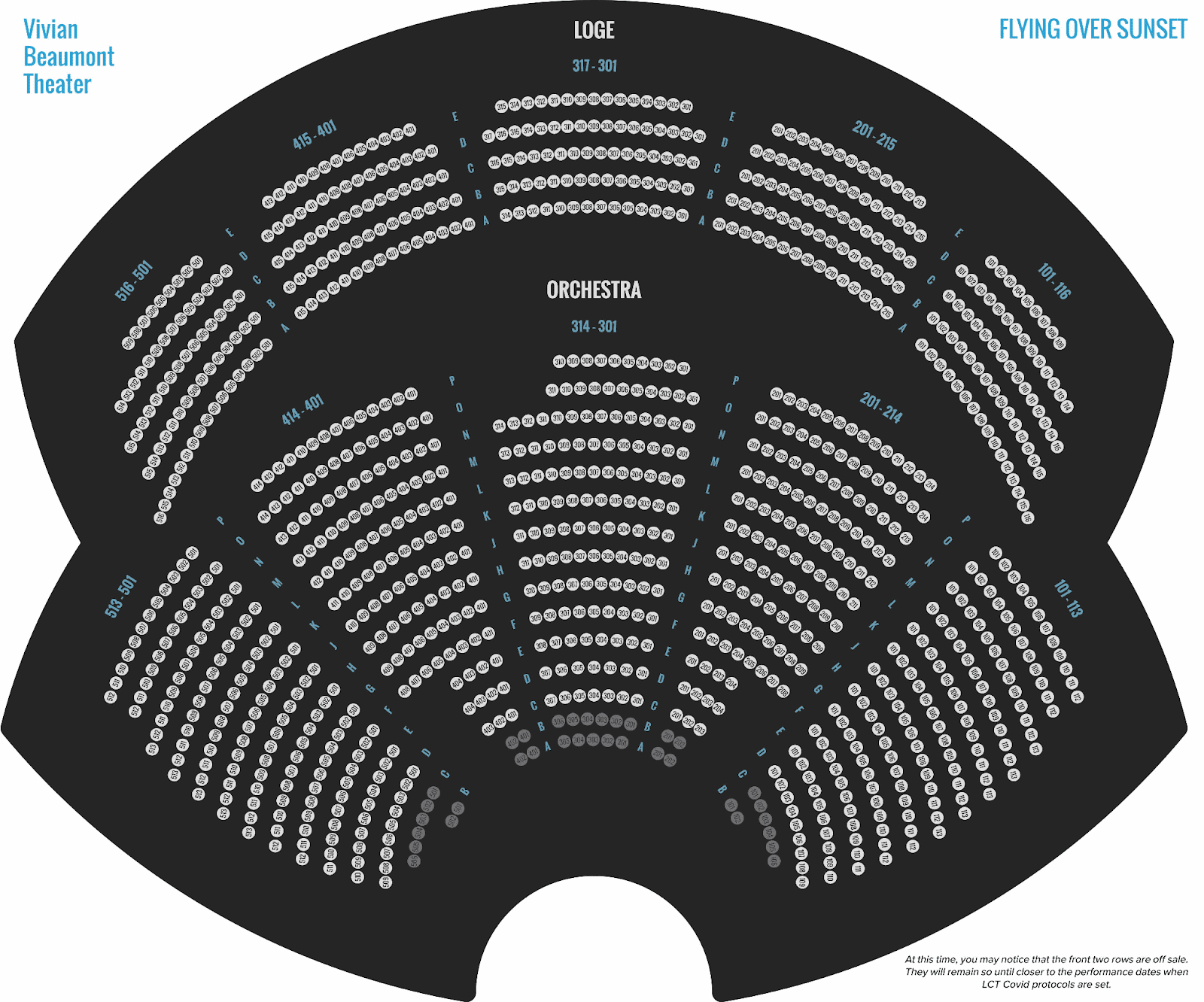
The institution is so vast that in the 21st century, many people simply can’t navigate Lincoln Center without a map or seating chart.
Lincoln Center Theater
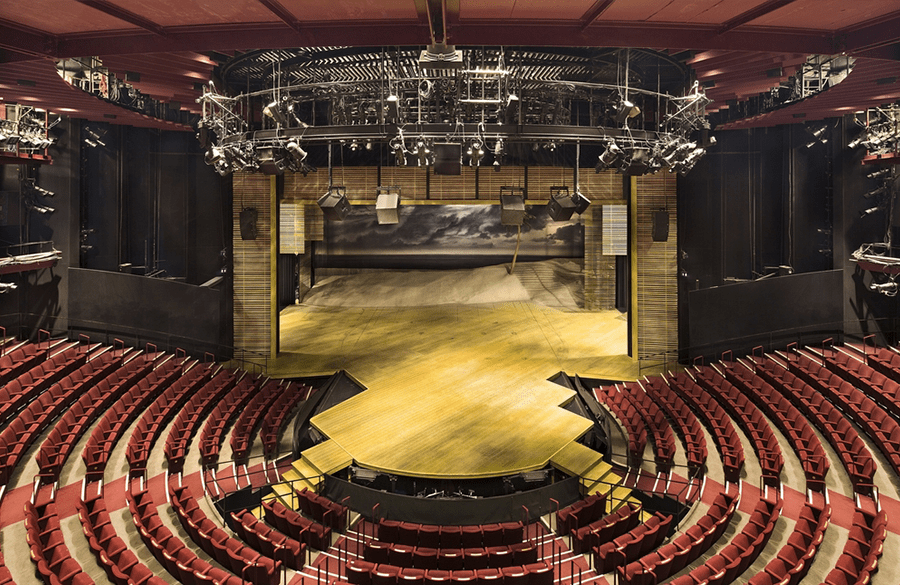
Lincoln Center Theater itself resumed its activities on the New York theater scene in 1985 under the leadership of Chairman John V. Lindsay.
Since its founding, Lincoln Center Theater has remained focused on artistic excellence and innovative productions.
It was recognized by The New York Times as “the country’s preeminent theater.” In the 2020s, under the leadership of Chairman Kusong Lee and Artistic Director André Bishop, the organization continues to delight audiences with dozens of new plays and musicals that draw millions of viewers to its various halls.
What’s more, Lincoln Center Theater provides thousands of free tickets to culturally underserved communities across all five boroughs of the city. Special events are also held for people with hearing impairments. Among the theater’s initiatives are “Directors Lab,” a symposium to support new and emerging artists; “Open Stages,” an arts-in-education program organized in partnership with New York public schools; “Lincoln Center Theater Review,” a literary magazine distributed free of charge in schools; and the “LCT Platform,” a series of free talks with artists.
In 2012, a new two-story addition was opened on the roof of the Vivian Beaumont Theater, which includes the Claire Tow Theater, rehearsal rooms, offices, and a terrace. This space became the permanent home for LCT3, a program dedicated to creating productions with new playwrights, directors, and designers. With affordable ticket prices and fully staged productions, LCT3 attracts a new generation of artists and audiences. The theater also reaches audiences across the country and abroad through tours, television broadcasts, films, publications, recordings, and its website.
The Evolution of Lincoln Center
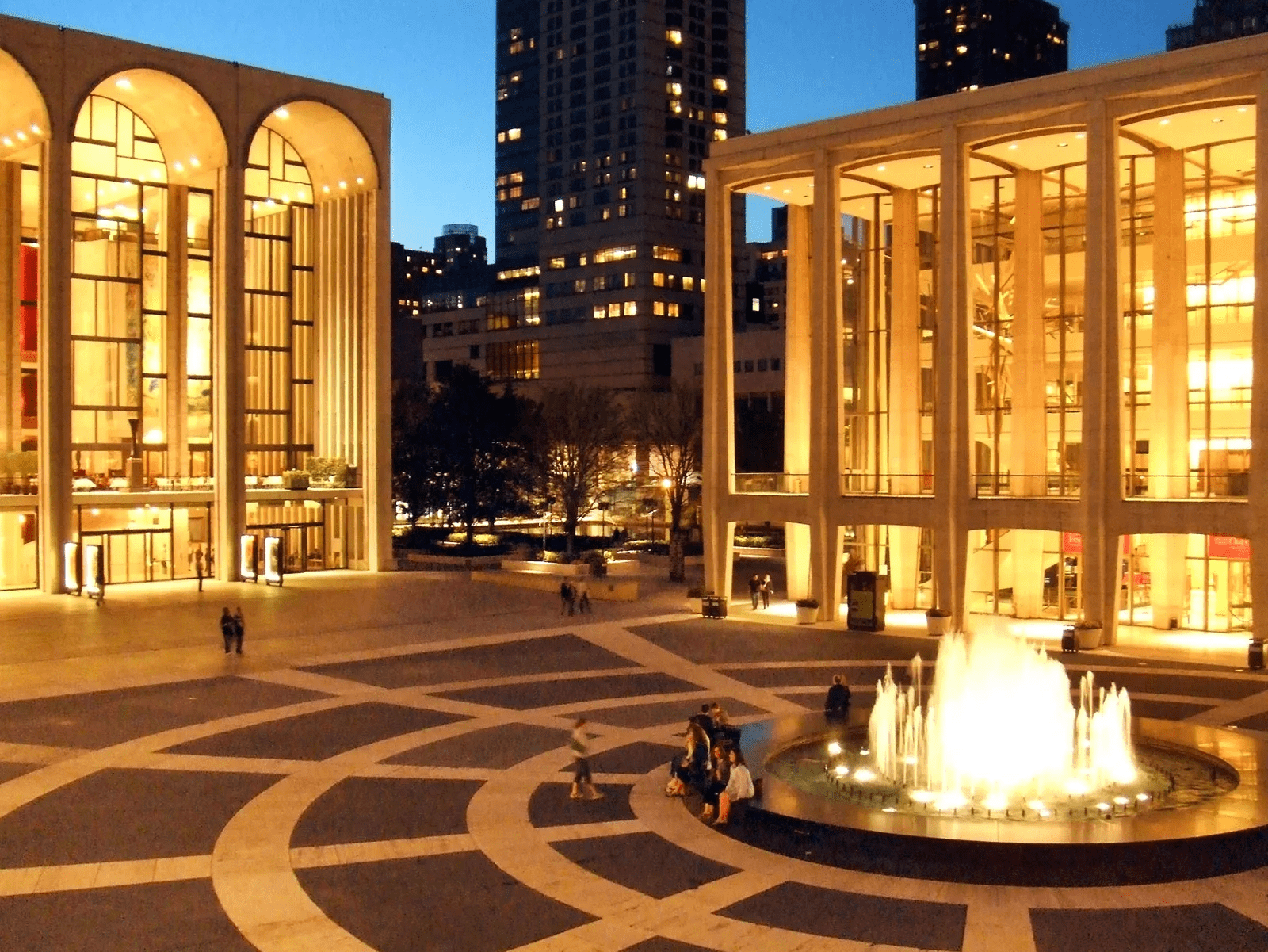
Lincoln Center officially opened in 1962 with a grand ceremony attended by President John F. Kennedy. The complex brought together several key institutions, including the Metropolitan Opera, the New York Philharmonic’s David Geffen Hall, the New York City Ballet’s David H. Koch Theater, and the Vivian Beaumont Theater, which is home to Lincoln Center Theater.
Since its founding, Lincoln Center Theater has become known for its groundbreaking productions that combine classic works with contemporary interpretations. This innovation has attracted audiences from all over the world. Its emphasis on excellence and creativity has solidified its reputation as a leader in the performing arts.
One of the reasons why Lincoln Center remains a global cultural hub in the 21st century is its dedication to pushing artistic boundaries. The theater has produced some of the most celebrated productions in Broadway history and beyond.
But in addition to its world-class productions, Lincoln Center Theater has played a vital role in education. The LCT3 program, launched in 2008, was created to support emerging playwrights, directors, and actors, providing them a space to showcase their work. Thanks to programs like “Open Stages,” the theater presents performances and workshops to students throughout New York City, making art accessible to everyone. The “Lincoln Center Scholars” program provides training for aspiring educators, strengthening the institution’s role in shaping the future of arts education. What’s more, graduates from relevant fields are offered job opportunities at Lincoln Center.
Lincoln Center Theater is the cultural heart of New York, a place where art inspires and unites people. Since its founding, it has become a leading center for the performing arts, offering audiences vibrant productions, educational programs, and cultural initiatives. Here, tradition meets innovation, making art accessible to all and affirming its powerful influence on the city and the world.
Sources: