


Broadway in New York City is more than just a street; it’s the very heart of American theater. For decades, it has stood as a symbol of artistic excellence and a global cultural phenomenon.
Many people have attended a Broadway show without ever thinking about how this place became what everyone knows it to be in the 21st century. The story of Broadway is a captivating tale of a relentless drive for artistic expression. To learn how Broadway became the world’s epicenter for theatrical performances and about its history of resilience and transformation, read on at new-york-trend.
How Did Broadway Form?
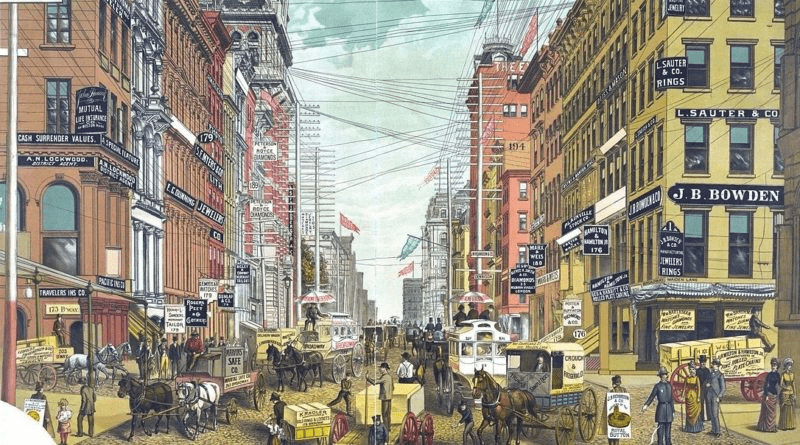
Broadway was originally the Wickquasgeck trail, forged by Native Americans through the dense brush of Manhattan. This winding path snaked through the island’s rocks and swamps.
When the Dutch arrived, the trail was widened and quickly became a main road connecting the settlement of New Amsterdam at the southern tip of Manhattan to the rest of the land. The first written mention of it appeared in the 1642 journal of Dutch explorer David Pietersz de Vries, who called it “the Wickquasgeck road over which the Indians passed daily.” The Dutch called the path “Heeren Wegh” or “Heeren Straat,” which translates to “Gentlemen’s Way” or “Gentlemen’s Street,” an homage to a street in Amsterdam. It was also referred to as “High Street” or “the Highway.”
After the British took control of the city, the road was renamed “Broadway” because of its unusual width. This is how the history of Broadway Street began. It’s worth noting that it was only during that era that it was considered a “street” before the name was later shortened to just “Broadway.”
In the 18th century, Broadway ended in the area of the city’s commons, north of Wall Street. At that time, its section in Lower Manhattan was called Great George Street. The main traffic flows branched into two directions: the eastern side of the island via Eastern Post Road and the western side via Bloomingdale Road. The latter opened in 1703 and stretched to 117th Street, playing a significant role in transforming the Upper West Side into a prestigious neighborhood with lavish mansions.
The Birth of a Global Theater Legend
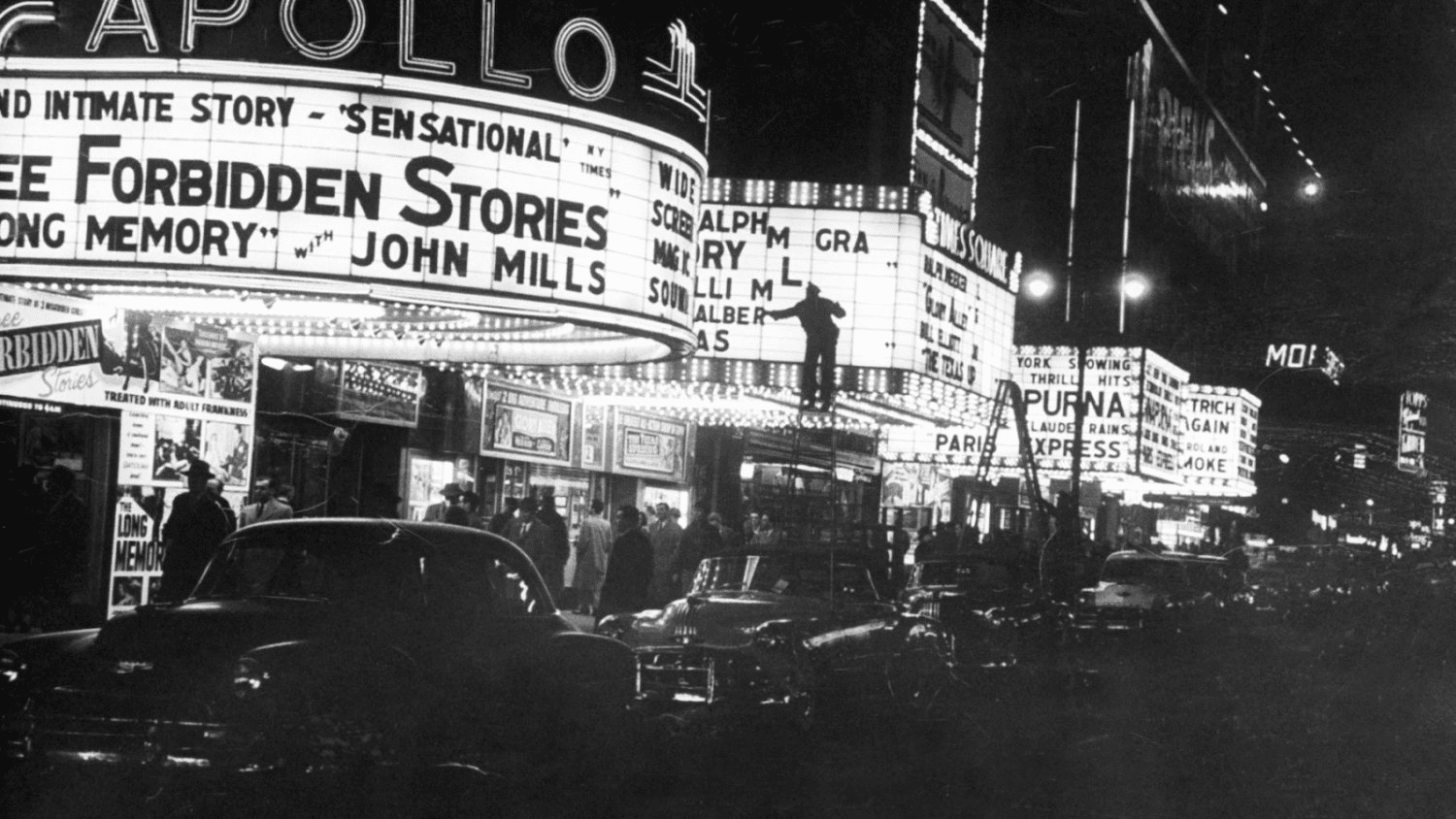
The theatrical history of Broadway dates back to the early 18th century when New York was still a British colony. The first recorded performance took place in 1732 at the Nassau Street Theater, a small wooden hall that held only a few hundred people. As the city grew, so did its need for entertainment. In the early 19th century, theaters began to appear along the thoroughfare that would eventually become Broadway, catering to a diverse audience.
A turning point came in 1826 with the opening of the “Bauer Theater,” which attracted both high-society patrons and working-class audiences. During this era, popular forms of entertainment included Shakespearean plays, melodramas, and minstrel shows. However, it wasn’t until the mid-19th century that Broadway truly began to take shape as a theater district.
The Rise of the Theater District
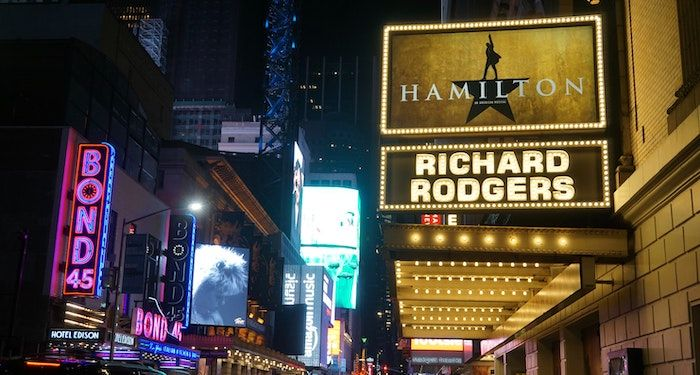
As New York expanded, theaters were forced to move from Lower Manhattan to the area around Union Square, eventually settling in what is now known as Times Square. This development transformed the area into a massive entertainment hub that attracted performers, playwrights, and audiences from all over the country.
One of Broadway’s defining moments came in 1866 with the premiere of “The Black Crook.” Many historians consider this to be the first true American musical, as it combined drama, dance, and music in a way never seen before. Its success became the launching point for the further development of the musical theater genre, which would become Broadway’s defining art form. And so began the legendary history of Broadway musicals.
The Golden Age of Broadway
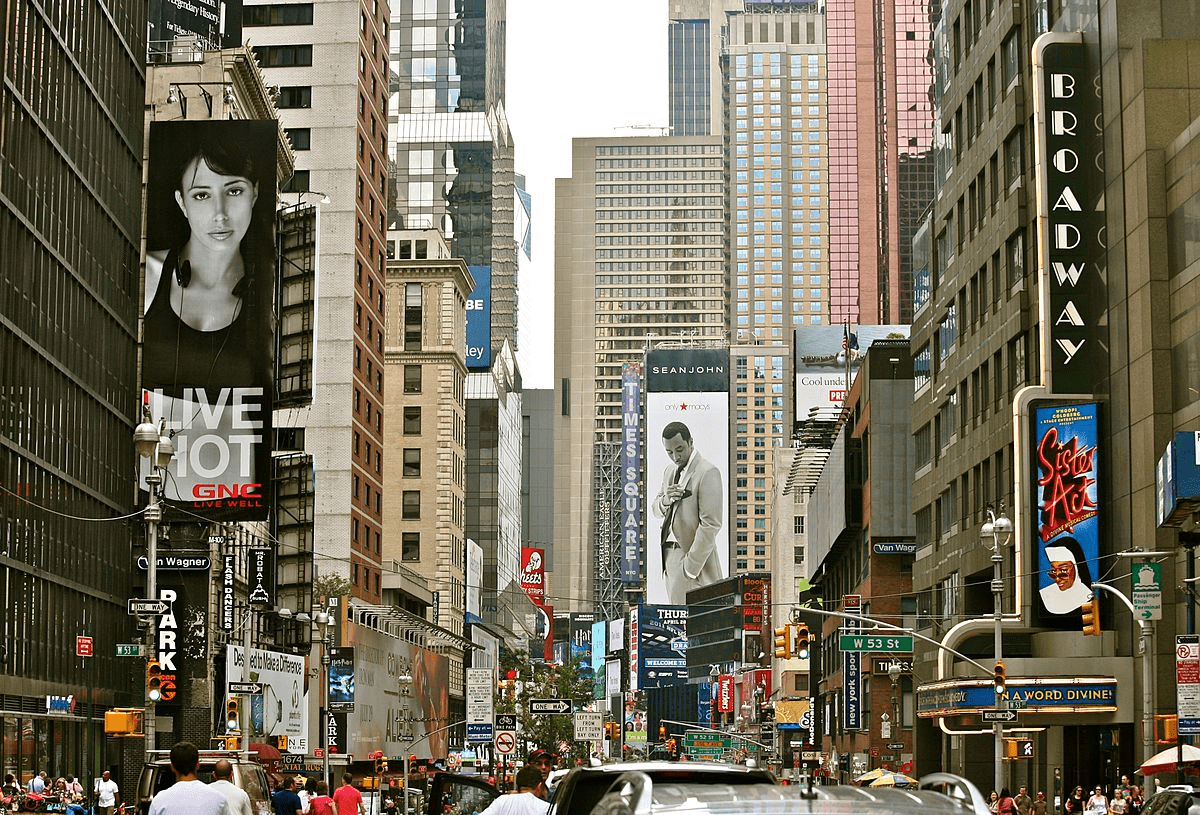
The early 20th century marked the start of Broadway’s Golden Age. This new era in theatrical art brought new names to Broadway, namely composers such as George Gershwin, a Jewish immigrant from Ukraine; Cole Porter, one of the few Tin Pan Alley authors who wrote both the music and lyrics for his own songs; and Richard Rodgers, who composed music for more than 900 songs and 40 Broadway musicals.
During this period, Broadway also became a stage for legendary performers, including Ethel Merman and Mary Martin.
Soon after, Hollywood began adapting many Broadway hits into films. This all took the theater district to a new level, cementing its status as a global legend. The film adaptations of iconic musicals opened up Broadway productions to millions of viewers worldwide, solidifying the district’s status as a mecca for stage arts. Over the years, Broadway has continued to change and adapt to new trends, but it has always remained a symbol of creativity, brilliance, and grand spectacle.
Broadway is not just a neighborhood with a huge concentration of theaters; it’s a cultural phenomenon shaped over generations. Broadway will live on as long as there are stories to be told and audiences ready to listen. Broadway will always be the most famous theater district in the world, a place where dreams take center stage and magic happens every night.
Sources:
- https://study.com/academy/lesson/broadway-musicals-history-shows.html
- https://gotta-dance.com/a-brief-history-of-broadway/
- https://www.britannica.com/art/Western-theatre/Broadway
- https://www.danceinforma.com/2024/06/03/broadway-a-history-of-the-great-white-way/
- https://www.broadwayworld.com/article/A-Brief-History-of-Broadway-20211219