


New York is a city rich in culture, home to countless concert halls, operas, museums, and theaters. Among this cultural diversity, the Majestic Theatre stands out. It’s a true architectural marvel in New York with a history that stretches back to the early 20th century. The theater boasts a rich cultural heritage, a profound impact on society, and holds a very important place in the development of the city’s cultural landscape. Read more on new-york-trend.
The Theater’s Origins
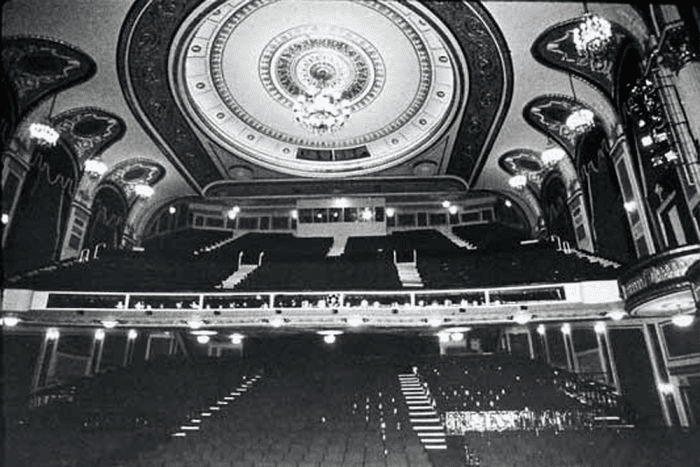
The early 20th century was an era of rapid cultural growth for the city. During that time, operas and theaters began appearing en masse in various neighborhoods throughout New York. Each one was distinctive, but every single one was defined by its architectural grandeur and the scale of its design. The Majestic Theatre was one of these magnificent cultural institutions of the 20th century, located in the Midtown Manhattan Theatre District.
The urban gem was designed by the experienced architect Herbert J. Krapp, with the plan developed specifically for the builder Irwin S. Chanin. It was designed to seat more than 1,600 people across two levels. The Majestic first opened its doors to the public in 1927. The theater building was constructed in a lavish Spanish style. In the 21st century, both the theater’s facade and its interior are considered a historical landmark of New York City.
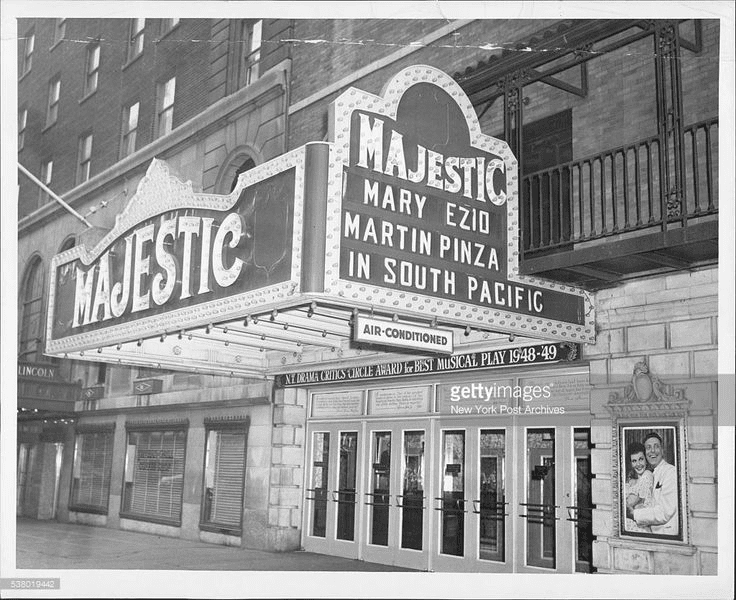
In this flourishing cultural era, the majestic Majestic Theatre became an architectural masterpiece for all of New York. Designed by the visionary Herbert J. Krapp, it seamlessly blended grandeur and functionality.
In 1927, the Majestic became a true legend, boasting stunning architecture. With its unparalleled appearance, the theater attracted visitors from different parts of the city and even other states. Inside, visitors were met with magnificent luxury: plush crimson seats, ornate chandeliers, and a spectacular proscenium arch. The theater quickly established itself as a symbol of Broadway’s golden era, hosting unforgettable performances that remained in the hearts of many audiences.
Notable Productions
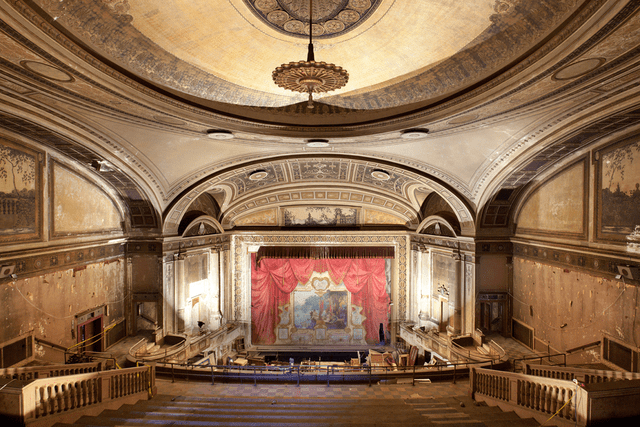
When the Majestic Theatre took center stage in New York’s cultural life, it became a prime venue for Broadway productions. It hosted everything from timeless classics to modern masterpieces. Without a doubt, the theater left a significant mark on the rich cultural history of New York and the history of Broadway.
In the 20th century, the theater was a place where anyone could come. The Majestic was a cultural hub that brought people from all walks of life together through its plays and performances. Audiences were instantly immersed in the captivating stories told by the actors on the stage. Everyone who ever visited the Majestic Theatre was moved to the core by the shows.
Over the years, the theater hosted countless productions. The most famous and notable ones included:
- in 1927, “Rang Tang”;
- in 1930, “Artists and Models”;
- in 1937, “Babes in Arms”;
- in 1940, “Margin for Error”;
- in 1945, “Carousel”;
- and many others.
Adapting to Change
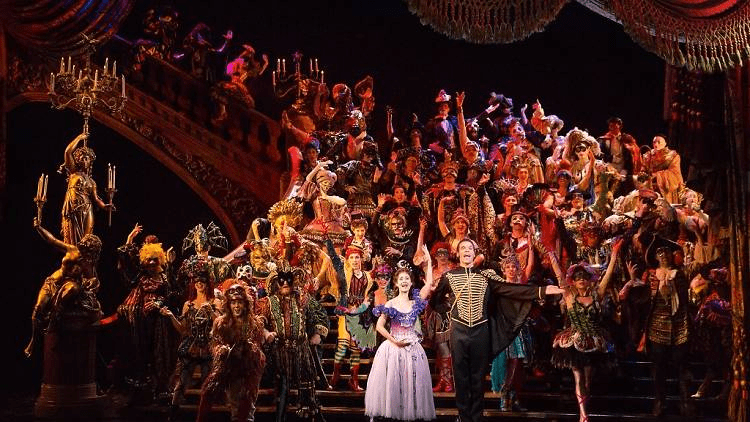
As the years passed, the Majestic Theatre began to show its age. Its equipment no longer met modern standards, and the interior and facade were in need of immediate intervention. So, in the second half of the 20th century, the Majestic Theatre’s management set out to preserve its historic charm while embracing modern trends. A meticulous reconstruction preserved the theater’s architectural beauty, so visitors could still enjoy the luxurious architecture. At the same time, a subtle integration of cutting-edge technology improved the quality of the audience experience.
After the renovation, monuments were erected at the theater to honor legendary performers such as Leonard Bernstein, Mary Martin, and Bernard B. Jacobs. The Majestic’s reconstruction also allowed it to host the 50th Tony Awards ceremony. And for Uta Hagen’s 80th birthday, the Majestic Theatre hosted a one-night reading of the play “Who’s Afraid of Virginia Woolf?”
The second half of the 20th century also delighted New Yorkers and visitors with legendary performances at the Majestic Theatre, such as:
- in 1980, “Grease”;
- in 1980, “Blackstone! The Magnificent Musical Magic Show”;
- in 1980, “Brigadoon”;
- in 1981, “42nd Street”;
- in 1988, “The Phantom of the Opera”.
Over time, the Majestic Theatre’s appeal only grew. The beginning of the 21st century also brought fame and success to the Majestic Theatre. It was a symbol of Broadway’s resilience. However, this lasted until 2020, when the coronavirus pandemic swept across New York and the entire world. In the spring of 2020, the Majestic was closed indefinitely. It reopened in the fall of 2021, more than a year later. At that time, it was trying its best to restore pre-pandemic attendance levels, bringing in between 850 thousand and 1 million dollars per week. It actively showed various musicals, shows, and performances, but all of this was not enough to cover the extremely high costs. As a result, in 2022, it was announced to New Yorkers that the theater would be closed.
The Majestic Theatre is considered one of New York’s legendary theaters, embodying its cultural development for many decades.