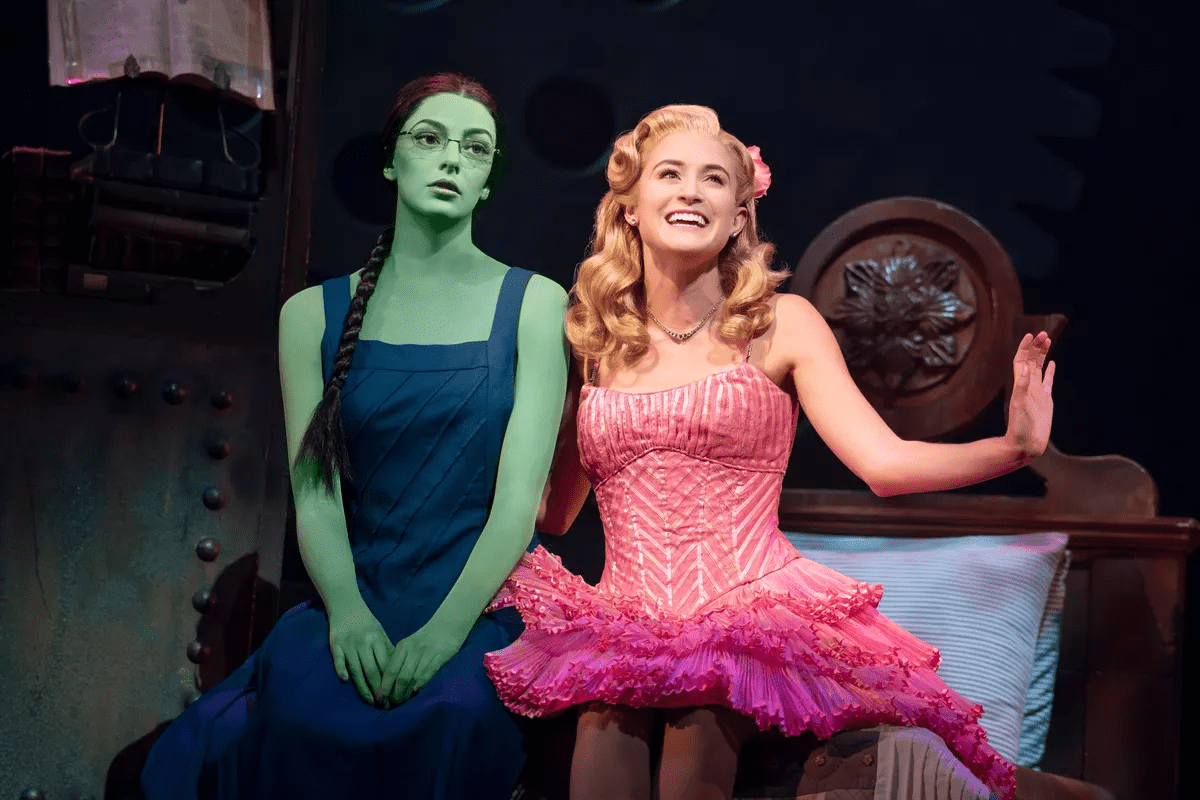
Standing proudly as Broadway’s largest theater, the Gershwin is located in the very heart of New York’s vibrant theater scene. For 50 years, the venue has attracted locals and tourists with its iconic design, famous productions, and celebrity alley, yet only true fans know the difficult history of this Broadway theater. Over the years, its walls have seen many joyful and sad moments, welcomed countless stars, and stood empty. However, all those involved in its creation never lost faith, which is why the Gershwin now graces the address of 222 West 51st Street. Read more on new-york-trend.
The Story Behind the Theater
While the theater is now known as the Gershwin, it was originally called the Uris. The venue was founded in 1972 and was considered one of the new Broadway theaters. It was built on the site of the Capitol movie theater, where New Yorkers used to spend evenings enjoying a good film. That movie theater closed in 1967, when large screens were replaced by small television sets. At that time, the Uris brothers, owners of the Uris Buildings Corporation, became interested in the property. They leased the land and began to build their own office, and a space was also made for a theater. This was made possible by a law that allowed office buildings to receive bonuses for including theaters. That’s how the Uris Building (later the Paramount Plaza) became home to both Circle in the Square and the Gershwin. The former was located in the building’s basement, while the latter took up the second floor.
Work on the theater began in 1967 and was completed in 1972. During that time, the owners repeatedly had to fight for the right to house a theater in the office building, but the result was worth it, as the Gershwin captivated the attention of many experts. It was notable for both its appearance and its technical capabilities. There was much debate about the number of seats, which was just over 1,900. An interesting decision was to give the lion’s share of the space to audience members who wanted to sit in the orchestra, leaving only 600 seats for others. The stage, being one of the largest on Broadway, impressed with its flexibility and mobility. And the sound system allowed any musical event to be performed at a high level. The theater amazed with its capabilities, appearance, and scale, which seemed to destine it for success.
The opening took place on a rainy day, November 19, 1972. At seven in the evening, 1,100 guests gathered to see the grandeur of the new venue. The invited guests and stars were able to watch the musical Via Galactica, which became available to the public a few days later. Staff and guests spoke about a new kind of theater, of which the Gershwin was a prime example. But the spectacular opening, incredible looks, and resources couldn’t save it from some difficult years. The debut musical was a flop, the venue struggled to find its way to success for a long time, and there were times when funds were scarce. However, a place like this wasn’t destined to remain empty, so it began hosting celebrity concerts, major awards, and other events. This is what helped the theater survive, and it still stands beautifully in New York.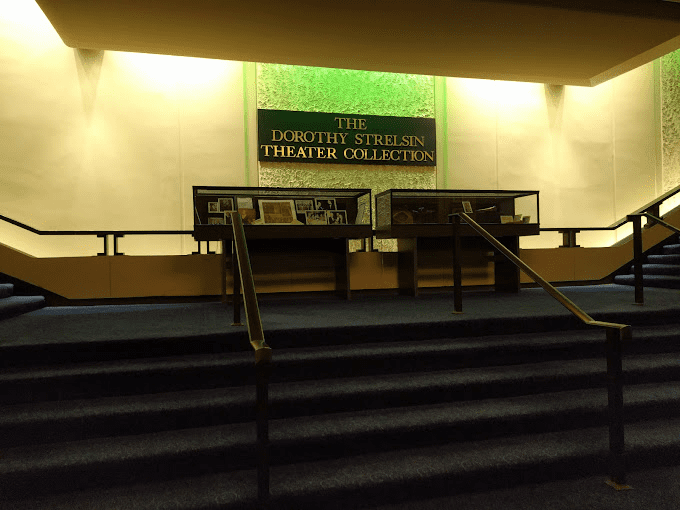
The People Behind the Theater
The Gershwin is the result of the work of many people who contributed to the theater at different times. The construction of the venue, the interior design, the money and effort invested—these are what the people whose names are associated with this place’s fame have given.
It all began in 1967 when the Uris brothers decided to build a skyscraper that would house the theater. They were the ones who kick-started the history of this place when the Uris Buildings Corporation took on the construction of the venue. The company also repeatedly defended the right to place a theater in the office building, which ultimately ended in their victory. The theater was initially named Uris in honor of its founders, but the name was often a source of ridicule. Nevertheless, the developers’ contributions should not be understated. The Uris brothers entrusted the management of the theater to the Nederlander Organization, which still operates it today. In 1976, the building changed hands and was renamed Paramount Plaza.
Another personality who must be mentioned when talking about the Gershwin is Ralph Alswang. He was an incredibly creative person whose artistic energy translated into his theatrical work. He was a set and costume designer, a director, and he also took on the pleasure of designing this theater, as he had the appropriate education. And Ralph did a brilliant job of creating a perfect space for various performances. He combined an incredible interior, comfort, and technical capabilities in the Gershwin. As the designer himself noted, the secret is that this kind of work must be done by someone who is immersed in theatrical life. He also couldn’t stand gray and generic theaters, which is why he created such a modern and stylish venue.
In 1983, the theater hosted the Tony Awards and changed its name. From then on, the venue became associated with the names of Ira and George Gershwin—musical legends.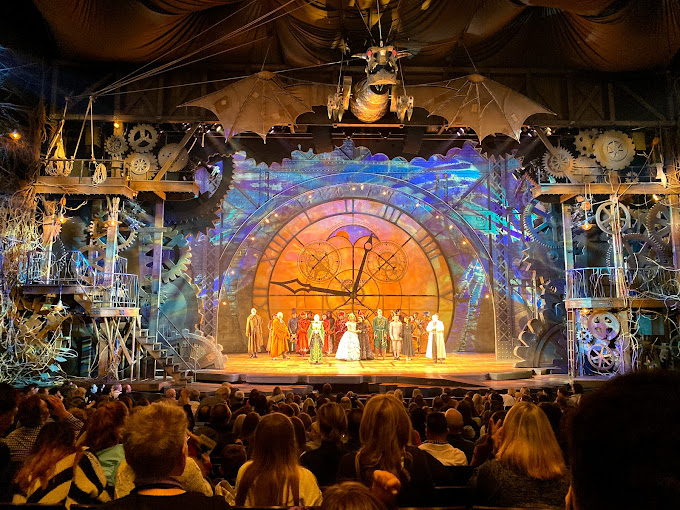
The Theater Hall of Fame
In the same year the theater opened, its team introduced the Theater Hall of Fame. The idea was spearheaded by Earl Blackwell, James M. Nederlander, Gerard Oestreicher, and Arnold Weissberger. The concept is to honor the names of outstanding theater professionals and etch them into the walls of the Gershwin. Nominees must have 25 years of experience in theater and 5 major Broadway productions. Then, around 300 theater experts and well-known figures choose the winners by vote. This procedure takes place every year, and the ceremony is, of course, held at the Gershwin Theatre.
The Hall of Fame was unveiled in 1972 on the theater’s opening day. Guests were able to view the first list of distinguished professionals, which included a total of 123 names. Each name was majestically displayed among the columns and elegant decor. At the time, opinions among celebrities were divided. George Abbott, a famous director, writer, and producer, did not particularly value such projects. Theater critic Brooks Atkinson, on the other hand, was always enthusiastic about such ideas and said so at the Hall of Fame’s opening. Honoring the best figures in the theater world remains a relevant tradition to this day. That’s why anyone can admire the beauty of the venue and recall familiar names.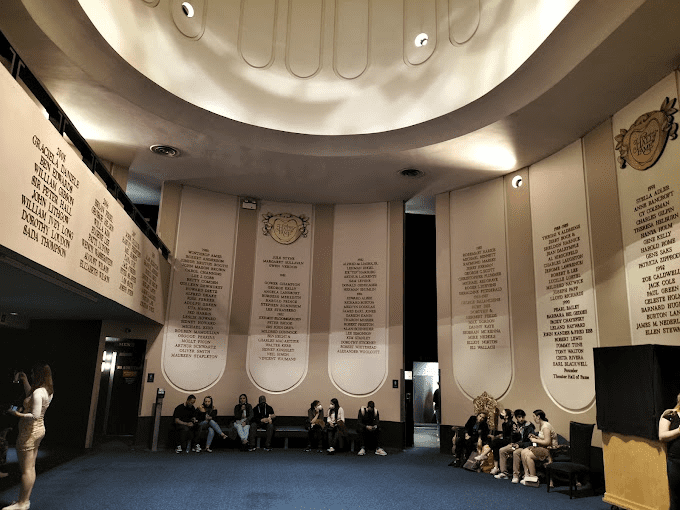
The Star of the Show
The Gershwin went through a difficult journey to find its niche. Numerous failed projects, short-lived shows, financial losses, and other problems plagued the venue from its very opening. But the theater’s team bravely endured all the challenges and found the key to success.
The undisputed leader and calling card of the theater is the musical Wicked, which has called this venue its home since 2003. The show’s success is phenomenal; it has repeatedly earned the top spot in earnings, and tourists adore the story. Although the show’s producer, David Stone, initially had doubts about choosing the Gershwin as the venue, the musical has remained there for years. Audiences love watching the relationship between the two witches, and the show’s creators offer a fresh perspective on the events in the Land of Oz. The New York Times called the production “Broadway’s biggest blockbuster,” Time Magazine noted its successful blend of “brains and heart,” and Variety considers the musical a “cultural phenomenon.” The show runs for 2 hours and 45 minutes, during which everyone can get immersed in the atmosphere and the actors’ performances. And for the biggest fans, the team has created merchandise. You can buy T-shirts, bags, cups, baseball caps, and other items.