


New York is a vast and bustling metropolis. The city is home to numerous historic cultural sites that have gone through a difficult era of change, experiencing both triumphs and hardships, yet have managed to endure into the 21st century. One such cultural institution in New York is the Apollo Theater. This venue played a crucial role in the cultural development of African Americans in New York and in shaping the artistic soul of Harlem. Do New Yorkers remember how the city’s iconic theater prospered and evolved over the years? Read on at new-york-trend.
The Historical Origins of the Theater
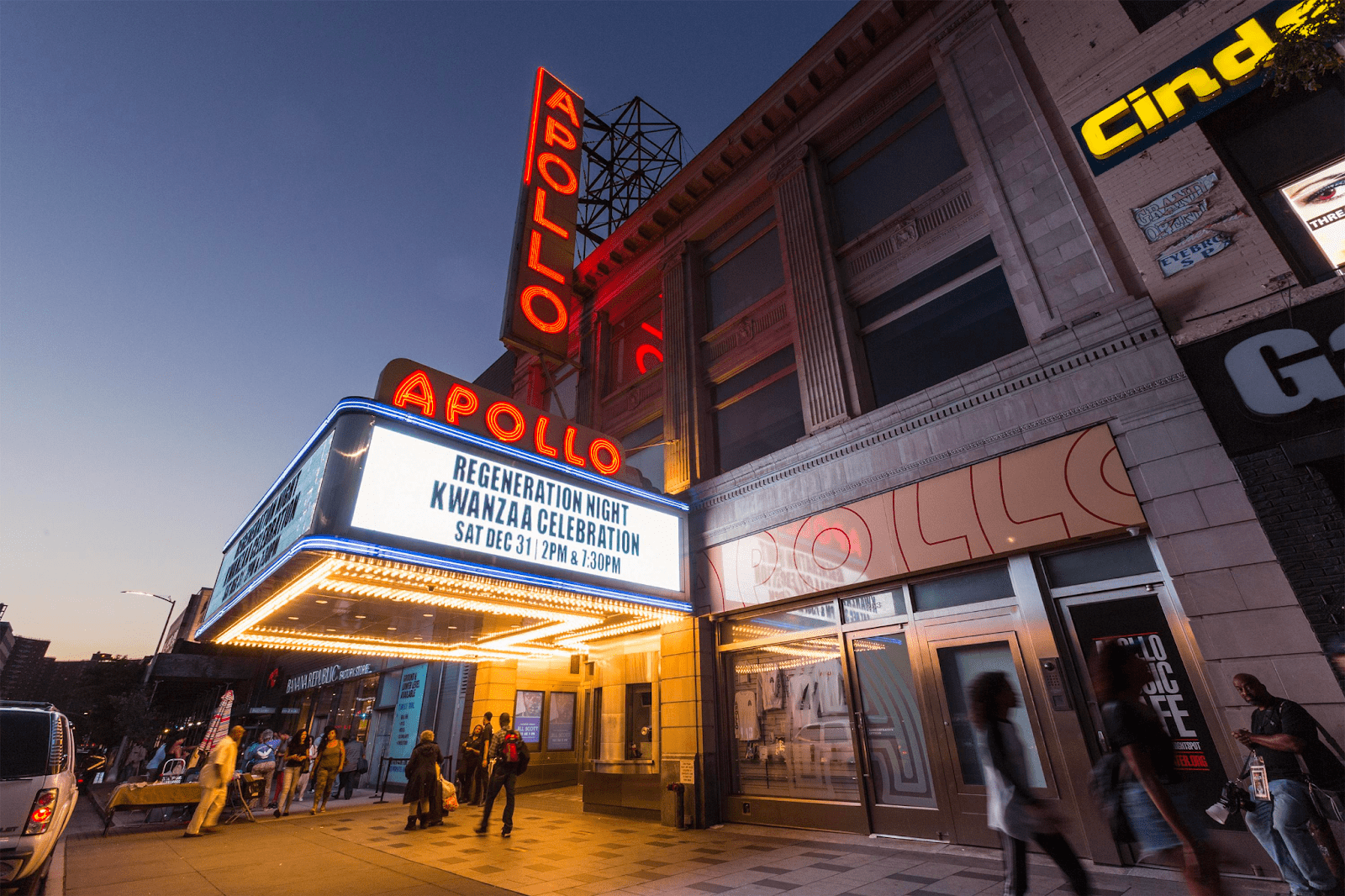
The history of the Apollo Theater begins in 1913. But in that early period, it was known as “Hurtig and Seamon’s New Burlesque Theater” and primarily served a white audience. However, in 1934, the theater underwent a dramatic change. Under the guidance of experienced entrepreneur Frank Schiffman, the theater embraced its destiny as a cultural hub for African American artists.
It was under Schiffman’s leadership that the theater was renamed the Apollo. It instantly became a center for talented African Americans who were often denied opportunities to perform on stage elsewhere.
The Apollo Theater’s Legendary Amateur Night
Schiffman first introduced “Amateur Night” at the Lafayette Theatre. The show was then known as “Harlem Amateur Hour” and was hosted by the famous American actor of the era, Ralph Cooper. When the show moved to the Apollo, it was initially called “Audition Night” but was later renamed “Amateur Night in Harlem.” The show was held at the Apollo every Wednesday evening and was even broadcast on the radio.
One of the unique features of the show at the Apollo Theater was the so-called “executioner,” a man with a broom who swept artists off the stage if the audience loudly booed them off. From the mid-20th to the early 21st century, this role was performed by Howard “Sandman” Sims.
Thanks to this unique show, the Apollo Theater in New York became very popular with a diverse audience that was always looking for something new and unusual, craving entertainment and a truly exciting show.
The theater had a seating capacity of more than 1,500 and a standing room for 2,500. Located in Harlem, the theater was distinguished by its grand neoclassical style. Over the years, the theater was repeatedly modernized, adapting to the standards of changing trends and the preferences of the city’s population. Changes were made to allow for film screenings, and burlesque shows were also held here. But most importantly, the Apollo Theater was a platform for Black performers for many years.
In the 1980s, the theater’s facade and interior were designated as a New York City landmark.
Popularity and the Birth of New Stars
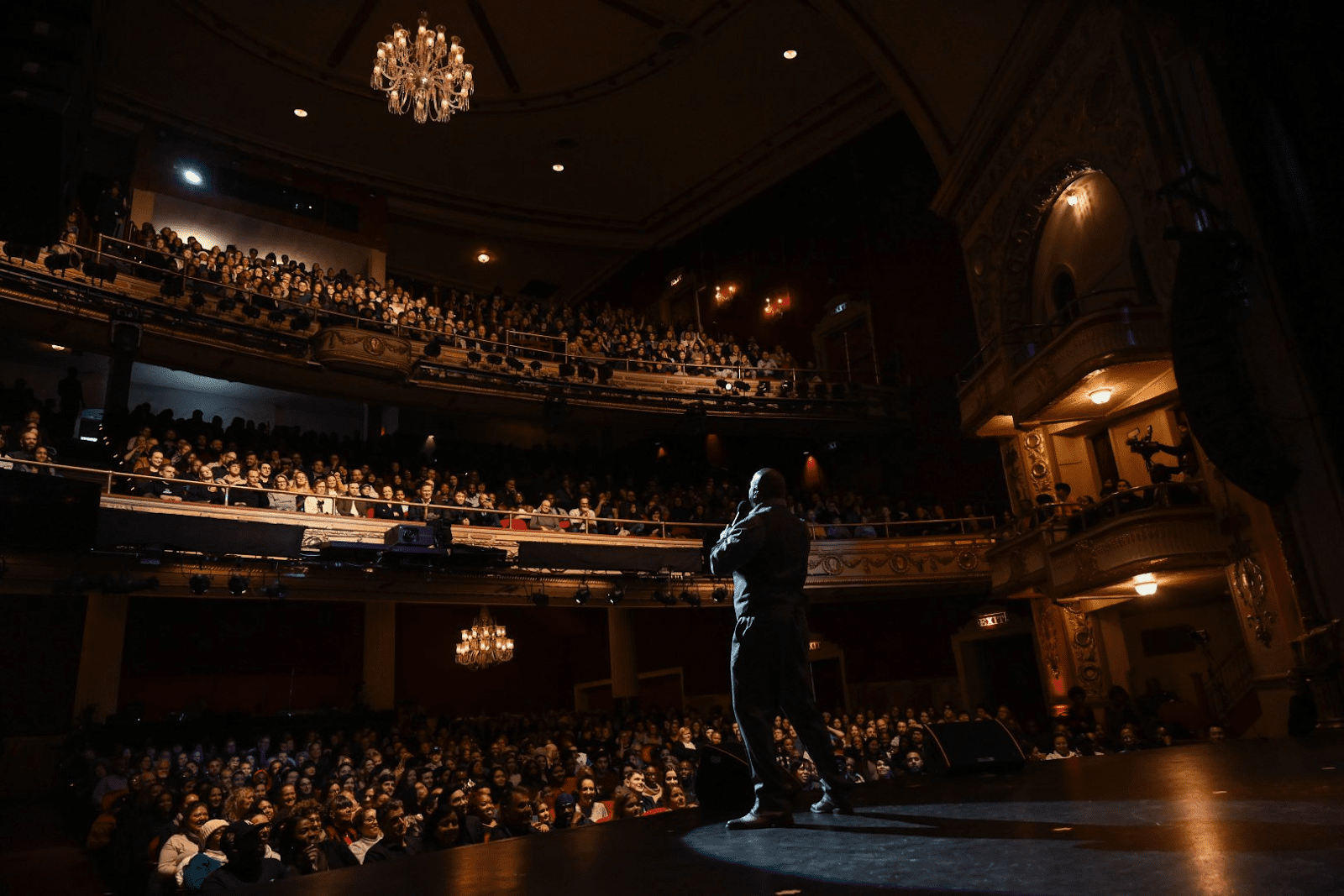
The New York Apollo Theater gained particular popularity during the so-called Harlem Renaissance, which took place shortly before the start of World War II. This venue became known as the place where new stars were born. The Apollo launched the artistic careers of talents of that era such as:
- Ella Fitzgerald;
- Billie Holiday;
- Duke Ellington;
- James Brown;
- and others.
The Apollo Theater became a platform for self-expression and musical innovation, blending jazz, blues, gospel, and soul to create a unique cultural environment in New York.
In addition to being a center for entertainment throughout the 20th century, the Apollo Theater was also a meeting place during the Civil Rights Movement. It was at the Apollo that leaders and activists gathered to discuss social progress and racial equality. For New York and its residents, the Apollo was more than just a theater—it was a platform for empowerment and change.
Decline and Revival
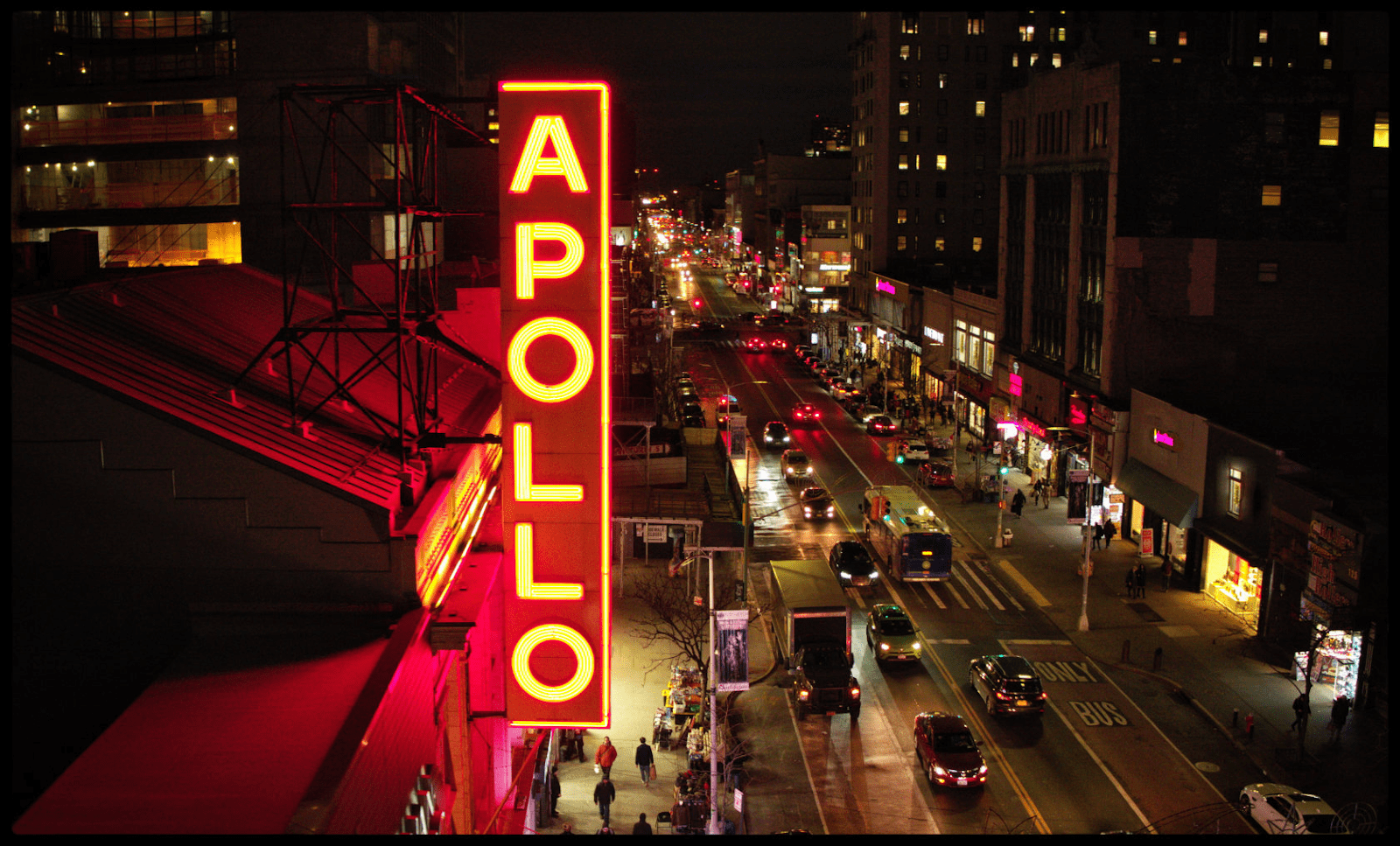
Like any other theater, the Apollo faced a series of challenges. The economic downturn in the Harlem area in the 1970s became a true test in the theater’s history and put its future in question. However, despite all the difficulties, the community would not let it close. With the determined support of the African American community, the theater underwent a significant renovation in the early 1980s and became more attractive than ever.
The 21st century brought digital transformation to the theater. The Apollo continues to be a magnificent testament to the resilience, diversity, and cultural spirit of Harlem. On its stage, African Americans continue to showcase their culture and talents. In addition, “Amateur Night” has become a timeless tradition. The theater’s cultural legacy will forever remain in the heart of Harlem. Within its walls, not only were iconic shows created for many decades, but stars were also born who went on to bring worldwide fame to both the Apollo and New York with their talent. In the 21st century, the Apollo remains a vital component of Harlem’s cultural life.