For over forty years, she was one of the brightest stars Broadway had ever seen. With her powerhouse mezzo-soprano, flawless diction, and boundless energy, Ethel Merman became the muse for the greatest 20th-century composers, including George Gershwin, Cole Porter, and Irving Berlin. In this article on new-york-trend.com, we explore her incredible journey from an ordinary stenographer to a global musical theater sensation, her collaborations with legendary songwriters, her unique vocal phenomenon, and her turbulent personal life behind the scenes.
A Voice Breaking Out of Astoria
Ethel Merman (born Ethel Agnes Zimmermann) came into the world on January 16, 1908, in the working-class neighborhood of Astoria, Queens. Her childhood was a far cry from theatrical glitz. Her father was an accountant, her mother a teacher. Both viewed the stage as a risky gamble rather than a real career for their daughter. That’s why they pushed for the most practical option: education, stability, and a secretarial job.
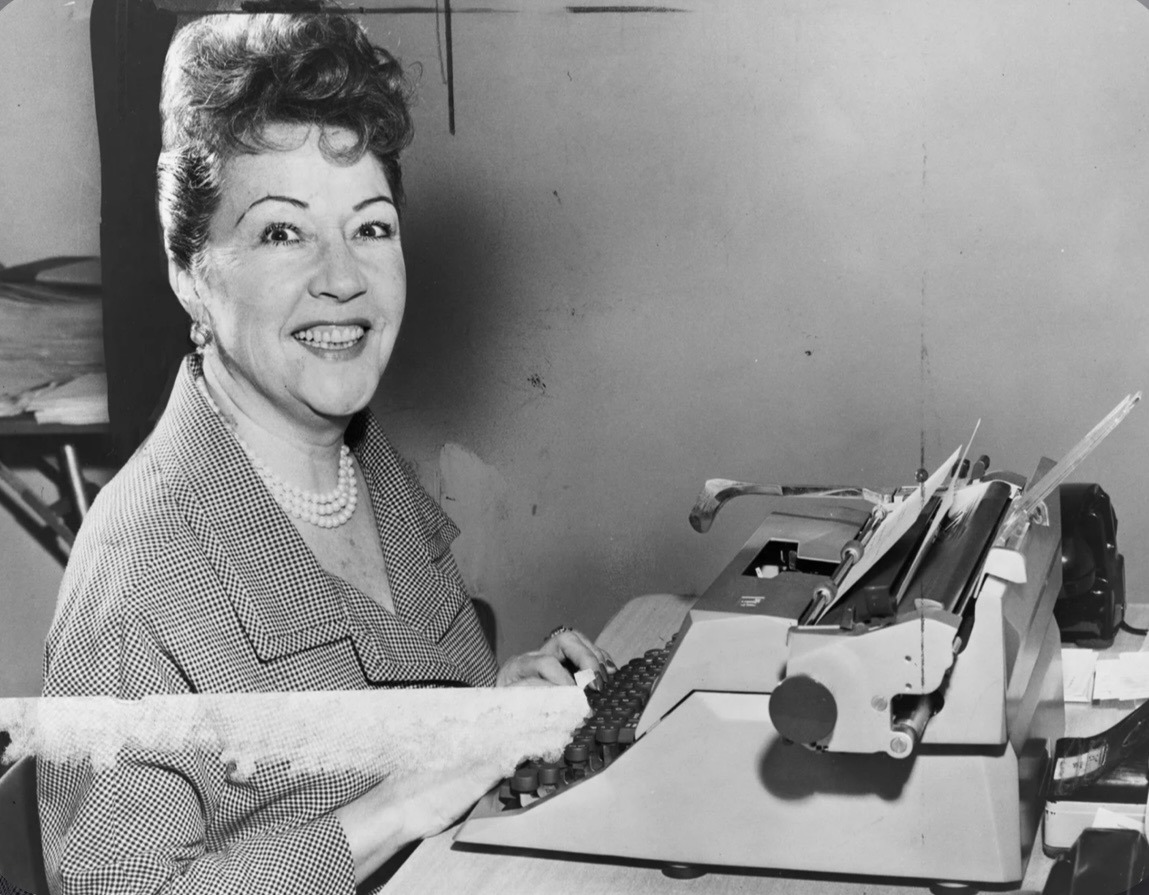
She listened to her parents, but she didn’t give up on her dream. By day, she sat at a typewriter, diligently documenting other people’s words. By night, she took the stage in small clubs, where her own voice rang out. This double life—an office worker by day, a performer by night—continued until she took her first symbolic step toward a new identity. She shortened her long surname, Zimmermann, to the punchy and memorable “Merman.” Her father was completely against it, thinking it sounded too harsh and too “showy.” But as it turned out, the stage loves bold moves.
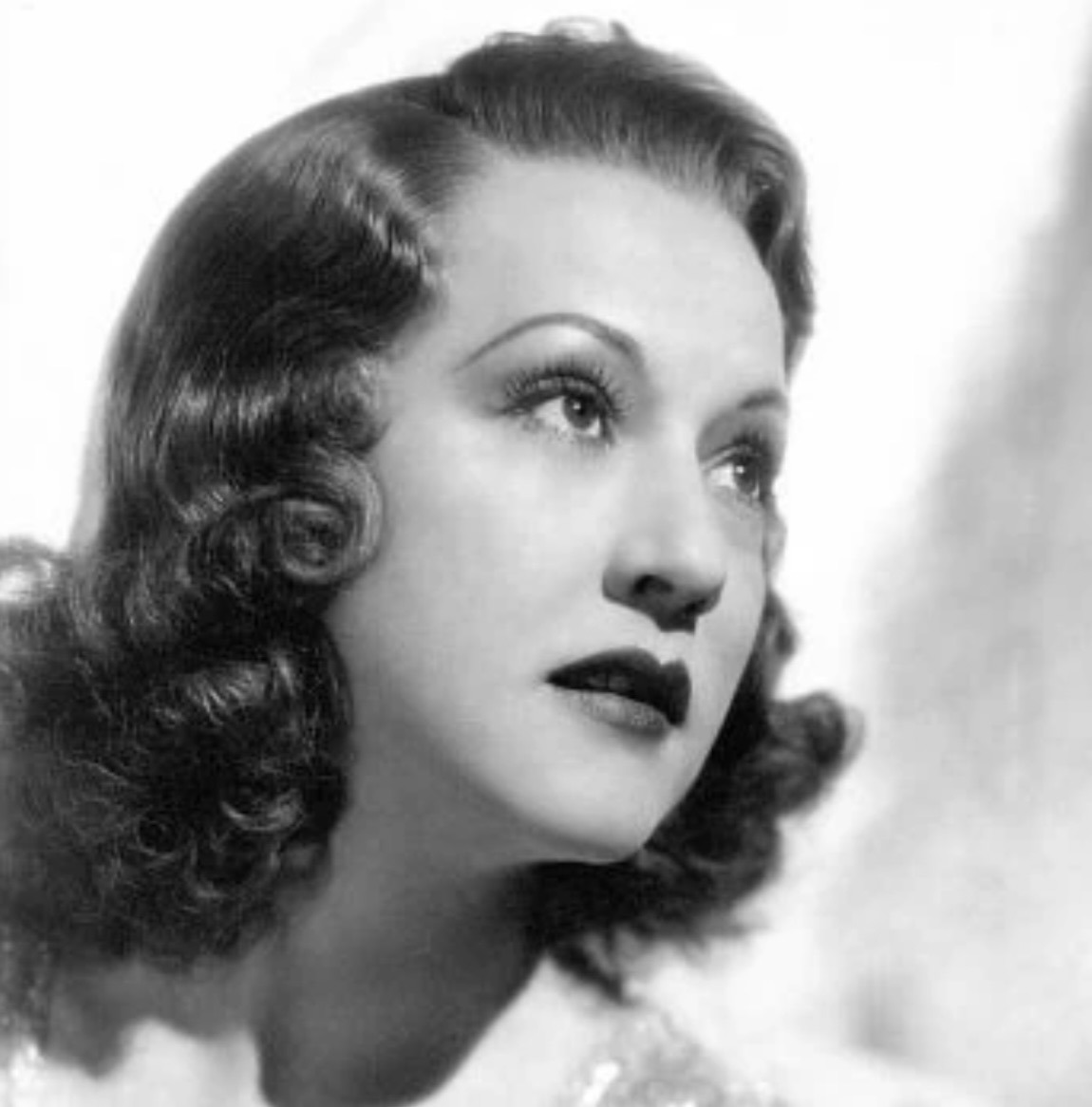
The real turning point came in 1930. George Gershwin cast Ethel in his new musical, Girl Crazy. On stage, she belted out the iconic I Got Rhythm in a way that left the audience in absolute awe. Holding a single, seemingly impossible note for sixteen full measures, she made it her signature trademark on opening night.
Merman later recalled how Gershwin approached her after the show with surprising advice. He begged her never to take formal singing lessons. The composer feared that classical training would simply “polish away” her raw, unique, and natural gift.
Merman became an overnight sensation. Variety magazine prophetically wrote:
“This girl has a remarkably good voice, which can take her very far… And this is her first stage appearance.”
A Voice That Drowned Out the Orchestra
In an era before microphones were used in theaters, Ethel Merman performed at full volume—she simply didn’t know how to sing any other way. Her vocal style, later known as “belting,” left no chance for the orchestra or crowd noise to overpower her. Every single word reached the very back of the house, where even the strongest voices usually faded. Ethel didn’t just embellish her vocal parts; she hammered them out, paving a clear path for the sound to travel through the room.
This made her indispensable to composers who wrote music tailored to character rather than just vocal range. Cole Porter, a man with a keen ear for nuance, described her impact simply: “It’s like a brass band going by.”In his 1934 musical Anything Goes, Merman set the tone for the entire show, turning every song into a grand event.
The equally demanding Irving Berlin even warned his colleagues:
“You’d better not write bad lyrics for Merman, because people will hear them clearly even in the second balcony.”
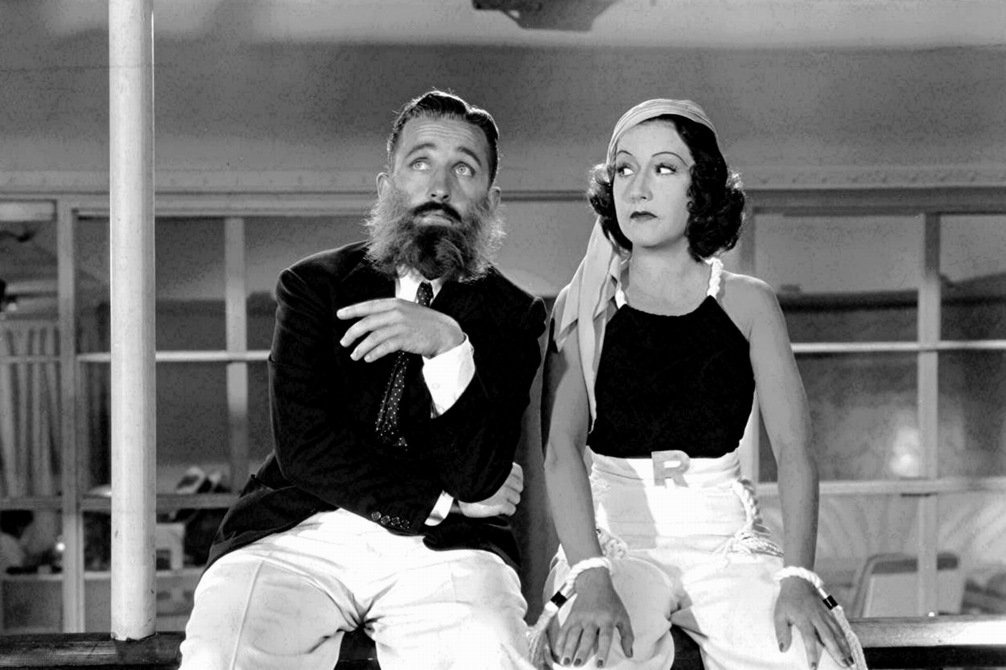
And that was no exaggeration. It was for her that Berlin penned the massive hit There’s No Business Like Show Business in the musical Annie Get Your Gun (1946). Over time, this track became the unofficial anthem of the entire theater world.
Merman wasn’t just a performer with a good voice. She changed the destiny of songs. After she sang them, they transcended the stage and took on a life of their own: in radio broadcasts, bold jazz covers, and on vinyl records.
Triumph Without Recognition
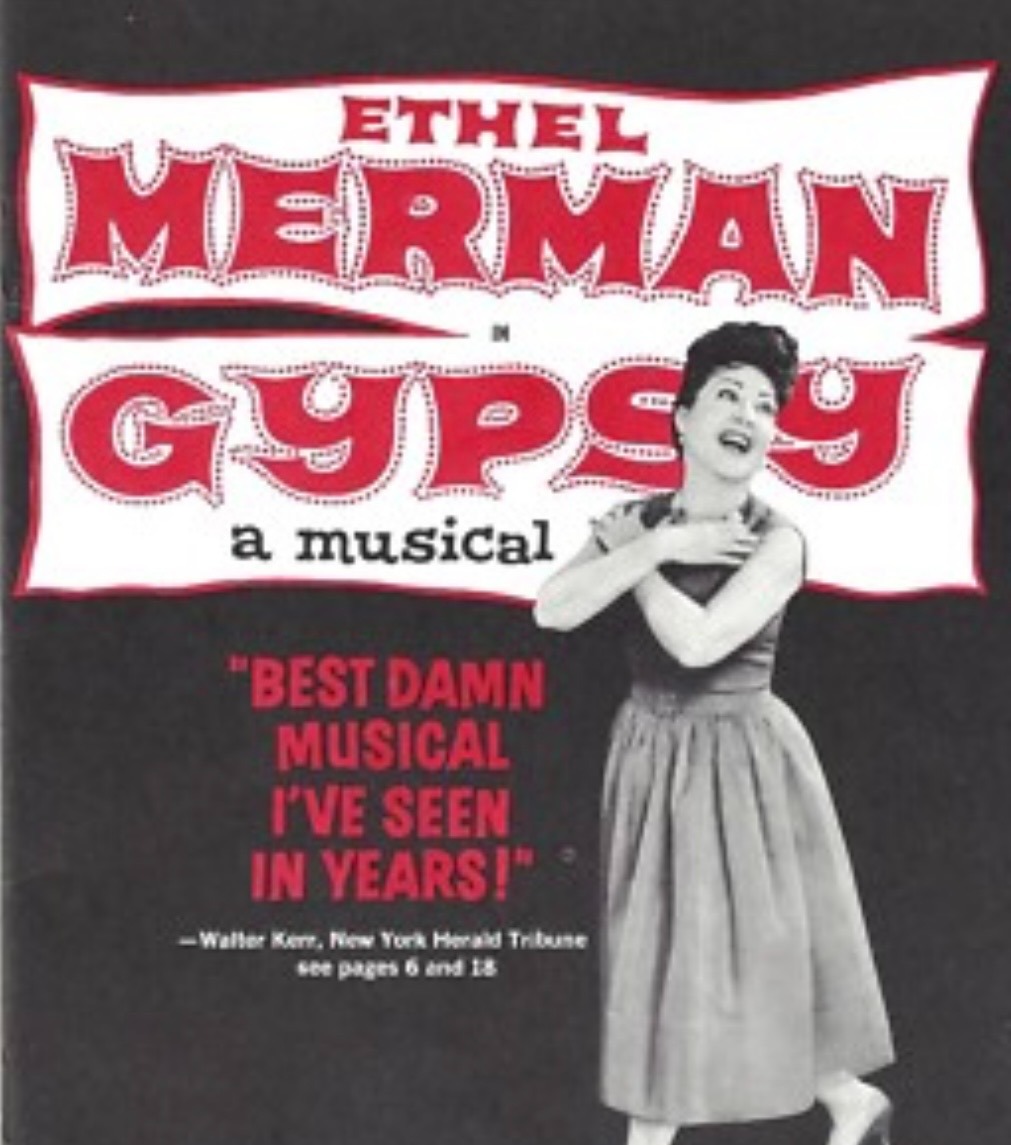
When the musical Gypsy premiered on Broadway in 1959, it became clear: Ethel Merman had reached a completely new level. Her portrayal of Rose—domineering, abrasive, and obsessed with her daughter’s success—wasn’t just a role. It was a profound character study where blind ambition slowly consumes everything human. Jule Styne wrote the music, and Stephen Sondheim penned the lyrics, but it was Merman who made the story so viscerally and painfully real.
The show’s climax was Rose’s Turn—a raw confession unraveling right in front of the audience. Critics at the time called it one of the most powerful moments in the history of musical theater, both vocally and emotionally.
Yet, the following year at the 1960 Tony Awards, a story unfolded that Broadway still talks about today. Merman, the heavy favorite, lost the award to her friend, Mary Martin, who won for her role as Maria in The Sound of Music. To many, it felt like a theatrical paradox.
Merman’s reaction was swift and entirely on-brand:
“How are you going to buck a nun?”
Behind that biting joke lay a bitter disappointment she tried to keep private. While losing the Tony hurt her pride, she took another decision much harder. In the film adaptation of Gypsy, her hard-earned role of Rose was given to Rosalind Russell instead. For the actress who essentially built the character from the ground up, it was a devastating blow that no amount of applause could cushion.
That is exactly what the dark side of Broadway looks like. Even at the absolute top, you can be left without an award and stripped of a role that seemed rightfully yours.
Personal Life Behind the Scenes
On stage, Ethel Merman always looked entirely in control, ruling the room with an iron fist. In real life, things were far less predictable. Her personal story was a string of hasty, often impulsive, and downright reckless decisions.
Her first marriage to theatrical agent William Smith lasted just weeks. Two months after tying the knot, Merman filed for divorce. She didn’t offer grand explanations; she simply admitted she had made a mistake.
Her second marriage to newspaper executive Robert Levitt seemed more solid. The couple had two children: a daughter, Ethel, and a son, Robert Jr. Unfortunately, the stability was just an illusion. Her husband’s drinking problems and erratic behavior steadily chipped away at the marriage. The most devastating blow came in 1967 with a terrible tragedy—the death of her daughter from an accidental drug overdose.
Her third marriage to airline executive Robert Six was a different story. It wasn’t chaotic, but it was an abusive relationship. Six insisted that Ethel leave the theater and move to Colorado with him. For a woman used to the spotlight, playing the housewife was suffocating. Unsurprisingly, this compromise didn’t last long.
Finally, the shortest chapter of all. Her marriage to actor Ernest Borgnine lasted a mere 38 days. Years later, in her autobiography, Merman addressed this episode with deadly irony. The chapter titled “My Marriage to Ernest Borgnine” consisted of… an absolutely blank page.
In her daily life, Ethel never tried to be “agreeable.” Blunt, sharp-tongued, and armed with a very specific sense of humor, Merman stayed true to herself no matter the crowd. She openly supported the Republican Party. During those years, she was often seen at the White House as an honored guest—one who wasn’t about to soften her tone, even in the most formal of settings.
The Final Bow and the Faded Lights
Even as she aged, Ethel Merman never completely disappeared from the radar. She shined on television, took on small film roles, and, as always, maintained her signature self-deprecation. In the cult classic comedy Airplane!, her brief cameo was a hilarious treat for the audience. She played a shell-shocked lieutenant who genuinely believes he is Ethel Merman. It was brilliant meta-humor, allowing her to laugh heartily at her own larger-than-life myth.
She never overcomplicated her craft with pretentious theories. The actress summed up her approach perfectly:
“I just stand up and holler and hope my voice holds out.”
In April 1983, doctors gave the star a grim diagnosis: stage four glioblastoma. Surgery proved unsuccessful; the brain tumor was inoperable. On February 15, 1984, Ethel Merman passed away at the age of 76.
That evening, Broadway didn’t react with long-winded speeches, but with a gesture understood without words. At exactly the same time, the marquee lights of 36 theaters dimmed. The city, so used to her booming voice, plunged into a moment of absolute silence.
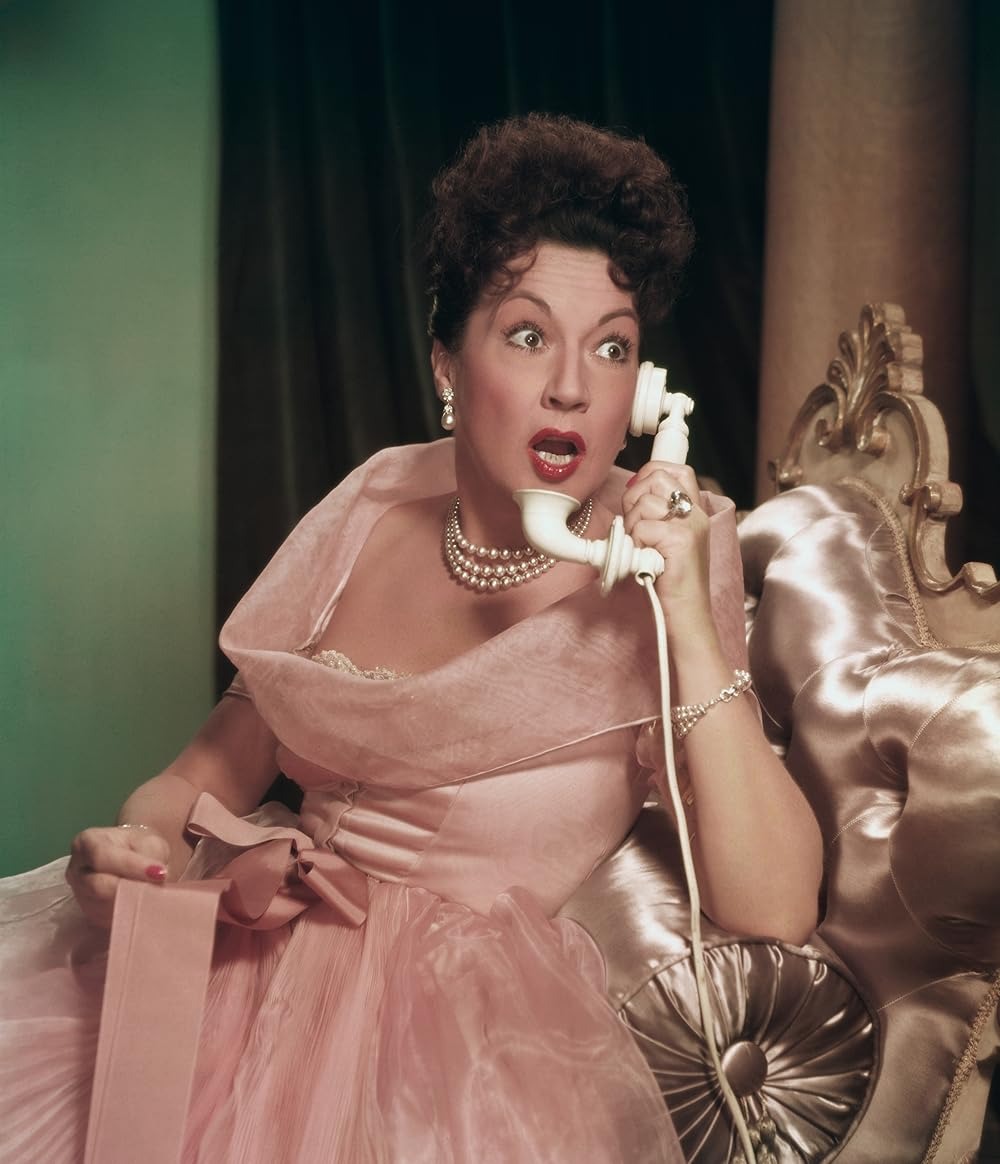
Musical theater has changed a lot since then, both technically and stylistically. Modern belting sounds different: it’s higher, more complex, and heavily relies on vocal mix and head resonance. However, the foundation remains rock solid. What Merman did purely on instinct is still considered the gold standard that even the most technically gifted modern performers strive to achieve.
Although the era that made her a legend is long gone, Ethel Merman’s voice has never faded. It is forever etched into the great history of Broadway.