The American Theatre Wing is a New York-based non-profit organization, founded in 1917 by suffragettes, that supports creativity, inclusivity, and excellence in theater through awards (notably the Tony Awards), grants, scholarships, and educational programs, fostering cultural growth and empathy. This is a story of courage, solidarity, and the belief that the stage can be more than just a stage—it can be a wing. Read on new-york-trend.com for more details.
The Birth and Journey of the American Theatre Wing
In 1917, as the world plunged into the turmoil of World War I, playwright and director Rachel Crothers, along with six other like-minded women, founded the Stage Women’s War Relief—an organization with one goal: to support the soldiers. These suffragettes, actresses, and playwrights turned the theater into a workshop of charity: they sewed uniforms and medical garments (over 1.8 million items), collected donations, staged benefit performances, sold war bonds, and even opened their own canteen for servicemen right on Broadway. Over the war years, they raised over $7 million—an astronomical sum for the time.
After the armistice, the women of the stage did not disperse—they continued to help veterans and fellow artists who were hit by the post-war slump.
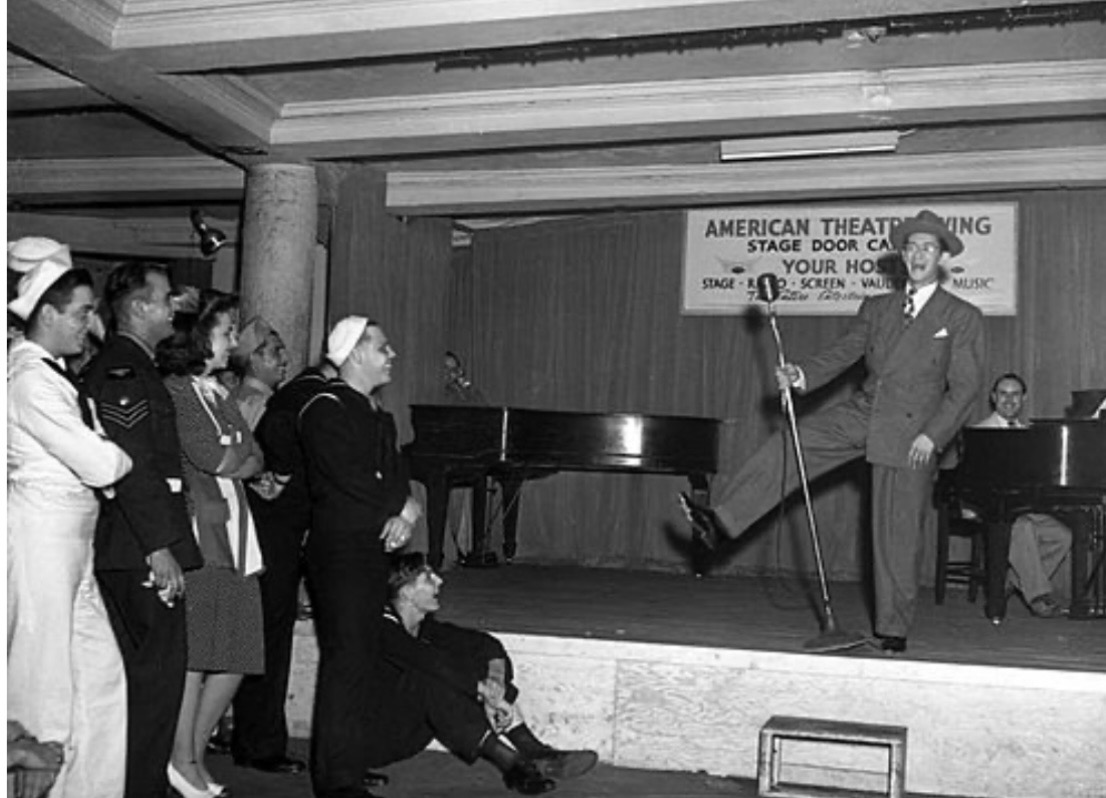
When World War II erupted in 1939, Crothers gathered the old team once more. In 1940, the organization received a new name—the American Theatre Wing (ATW)—and a new mission: aiding British allies and European refugees.
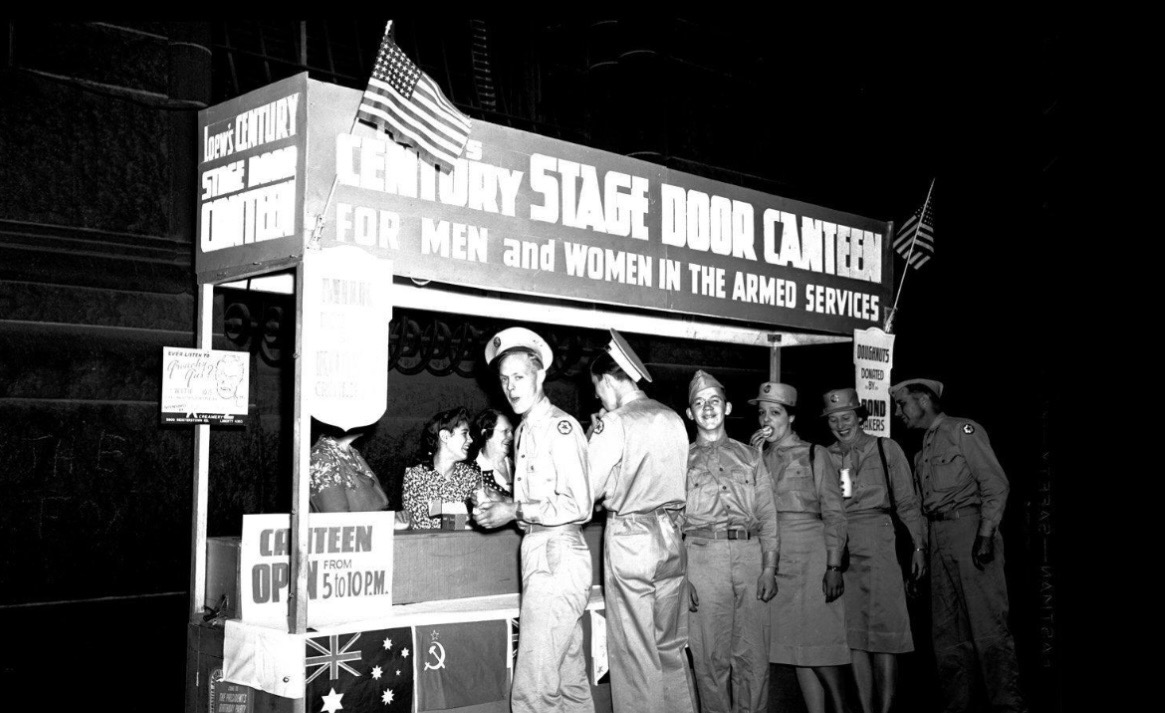
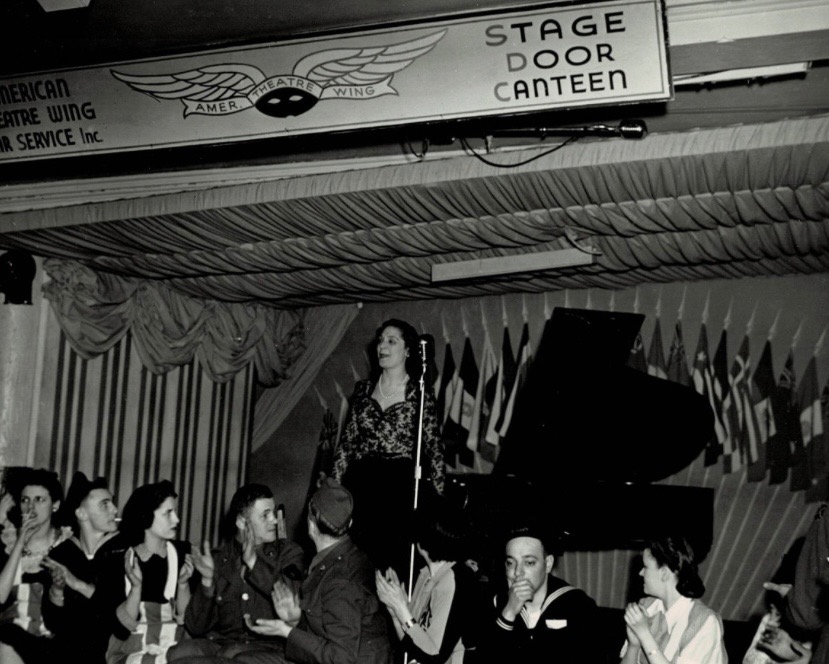
Stars of the stage joined the cause: Gertrude Lawrence, Josephine Hull, Helen Hayes, Tallulah Bankhead, and dozens of others. The Wing’s most vibrant project was the legendary charity canteen, the Stage Door Canteen, opened in March 1942. In the basement of a theater on 44th Street, servicemen were greeted not by waiters but by Broadway stars: Lauren Bacall poured coffee, Alfred Lunt and Lynn Fontanne washed dishes, the Andrews Sisters sang live, and Tallulah Bankhead danced with privates.
The canteen operated every night and became a symbol of warmth far from home. Over the war years, its branches opened in Los Angeles, Boston, Philadelphia, Washington, Paris, and London. In total, the Wing’s canteens served over 11 million servicemen. The success was so great that the 1943 film Stage Door Canteen, featuring over a hundred celebrities, was released—a true cinematic tribute to the theater wing volunteers.
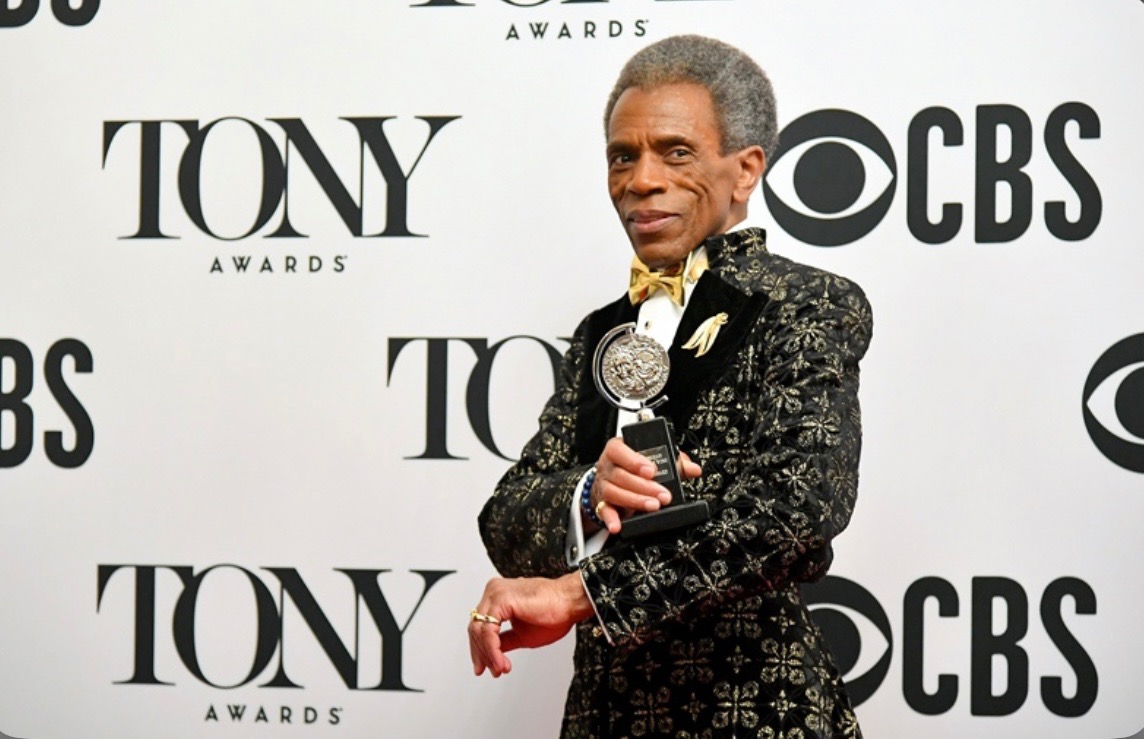
After World War II, the Wing pivoted to another mission—nurturing a new theatrical generation. And in 1947, the most important event occurred. To honor the memory of Antoinette “Tony” Perry—an actress, director, and Wing leader during the war—the Tony Awards were established. Since then, it has been the highest honor in American theater.
The American Theatre Wing is a story of how a group of theater women transformed creativity into a tool for assistance and charity into a cultural force.
The American Theatre Wing: At the Heart of American Theater
The American Theatre Wing continues its core mission: to invest in bold artistic work and uncover new voices that will shape the future of American theater. ATW is a non-profit institution, interacting closely with the entire U.S. theatrical ecosystem—from Broadway to regional theaters.
The organization operates as a powerful cultural engine: supporting artists at all stages of their careers, creating space for inclusive storytelling, and ensuring that theater remains a vital part of the public conversation. This approach is realized through numerous initiatives.
Key areas of activity:
- Investment in Artistic Projects—grants, support for new musicals, development programs for playwrights and theater companies.
- Educational Programs—video archives, the Working in the Theatre series, the Andrew Lloyd Webber Initiative, masterclasses, and internships.
- Professional Support for Artists—mentorship, career transition programs, networking for young talent.
- Awards and Recognition—administering the Tony Awards, Obie Awards, and special honors for humanitarian initiatives.
- Theater Popularization—creating educational and documentary content, developing accessible digital resources, and international broadcasting.
- Building Theatrical Community—supporting inclusivity, strengthening ties between artists, educators, and audiences.
Since 2020, ATW has actively developed digital formats in response to the challenges of the pandemic. Online archives, YouTube series, reading clubs, and hybrid educational programs have expanded access to theater education. During these years, the organization has become even more open to international audiences, and its video content has amassed millions of views.
As ever, the American Theatre Wing is the heart of the American theater industry, the place where the future of the stage is born.
Grant Support from the ATW
The American Theatre Wing has long remained one of the institutions that not only supports theater but nurtures entire generations of artists. Their grant-making activity has evolved into a unique network of opportunities that covers young authors, regional stages, and even school theater classes.
One of the most notable initiatives is the Jonathan Larson Grants. Each year, the Wing selects several creators whose voices may define the future of musical theater and provides them with funding. For example, the 2024 laureates (including Eric Sorrels, Kate Douglas, Georia Kwamé, Dylan Maréle, and the duo Shannon Burchett & Heather Christian) received not only about $16,000–19,000 each but also the opportunity to create professional demo recordings of their projects.
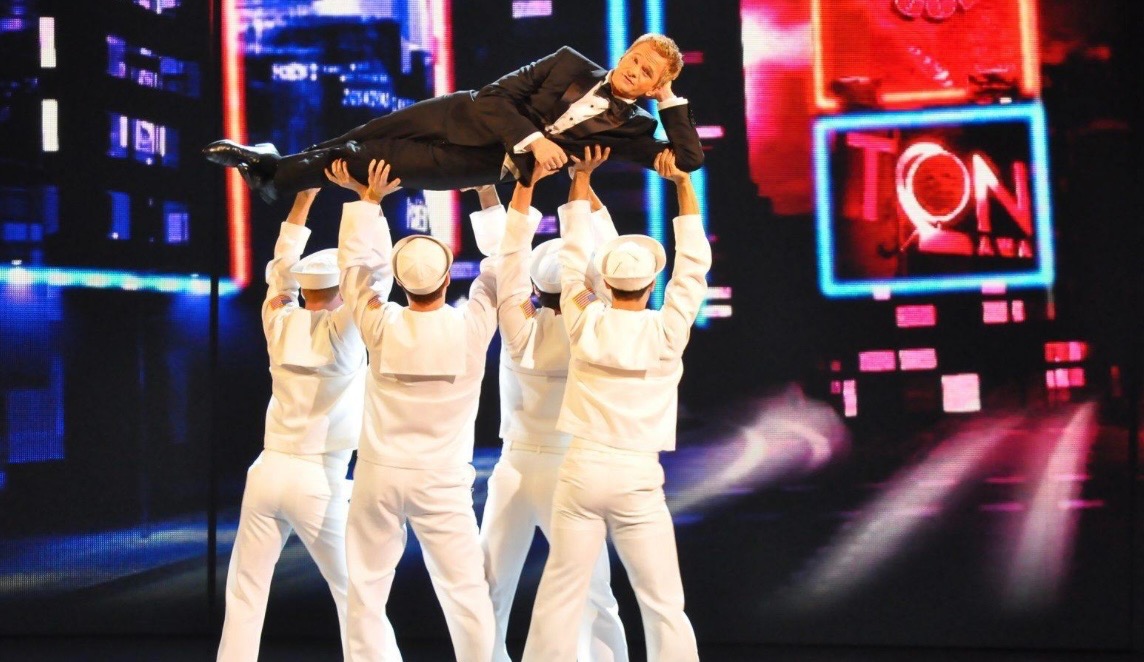
When the theater faced the challenges of the pandemic, the American Theatre Wing did not back down. On the contrary—it quickly established an emergency relief fund, distributing over $250,000 to artists and theaters whose operations were halted almost instantly.
Another large-scale initiative is the National Theater Company Grants. The program, reinstated since 2024, now annually supports five theaters operating outside of New York, granting them $100,000 each to stage new plays by American playwrights. Each selected theater brings its own unique perspective to contemporary theater:
- Mixed Blood Theatre in Minneapolis tells stories born from communities;
- Baltimore Center Stage is working on the large-scale Trans History Project;
- Latino Theater Company expands the Latino theatrical canon;
- Theatre Squared champions the voices of Mid-American playwrights;
- Camden Repertory Theatre creates space for women from urban areas.
In parallel, ATW also focuses on those who are just entering the stage. The Andrew Lloyd Webber Initiativeprovides school theater programs with up to $50,000 for equipment, technical resources, and costumes—everything without which the magic of theater often simply cannot happen. Special attention is given to schools in low-income areas, where artistic opportunities are limited but the desire to create is vast.
ATW’s Victory at the Anthem Awards
The year 2025 began with a powerful note of recognition for the American Theatre Wing. The organization was named a silver winner at the 5th annual Anthem Awards ceremony. This confirmed that theater has long been more than a stage. It is a tool for education, developing critical thinking, and ensuring cultural accessibility. ATW received its award for the “Master Class” series, which proved that high-quality theater education can be accessible, modern, and genuinely influential.
“It’s been a tough year for the impact sector, but the Anthem Awards community has once again stepped forward to provide hope and change lives regardless of circumstance,” stated Patricia McLaughlin, General Manager of the Anthem Awards.
This statement was not an exaggeration; the list of finalists consisted of organizations working in education, inclusion, human rights, healthcare, and sustainable development—areas that define contemporary global priorities.
The jury composition was equally telling. The judges included leaders of international companies, charitable foundations, top communicators, and Tony Award-winning actor Jesse Tyler Ferguson. These are the people who shape the global discourse on impact, accessibility, and social action.
This aligns with the broader mission of the American Theatre Wing, which, since its founding in 1917, has been focused not only on theater as an art form but also on theater as a way of serving the community. This is a logical continuation of a 100-year history of how art can shape society, open opportunities, and build the future. That is why the American Theatre Wing’s victory at the Anthem Awards was a symbolic moment: theater education, built on accessibility and profound meaning, is once again in the spotlight. It signals that the movement toward inclusion, knowledge, and social action is not just a trend, but a real path for the development of the modern artistic world.