This is the main organization governing the Broadway industry. It represents theaters and producers, organizes the Tony Awards, monitors financial performance, and sets professional standards for the industry. The League includes over 700 members—ranging from theater owners and managers to producers and companies providing technical and marketing support. They operate in nearly 200 cities across North America, ensuring that Broadway productions are seen by approximately 30 million spectators annually in New York and on tour throughout the U.S. and Canada. Read on new-york-trend.com for more about the history and work of this theatrical “government.”
The History of the Broadway League
The Broadway League traces its origins back to 1930, when theater owners and operators in New York banded together to form a common front against one of the biggest problems of the time—ticket speculation (scalping). Their goal was clear and noble: to protect audiences, theater producers, and honest brokers from shadowy resellers who profited from the popularity of Broadway shows. It was then that the League’s first major achievement emerged—the Code of Fair Practice for Theater Tickets, developed with Actors’ Equity and codified into law in 1940. Its principles are still relevant today: in New York, resellers must be licensed and adhere to a strict no-resale zone near theaters.
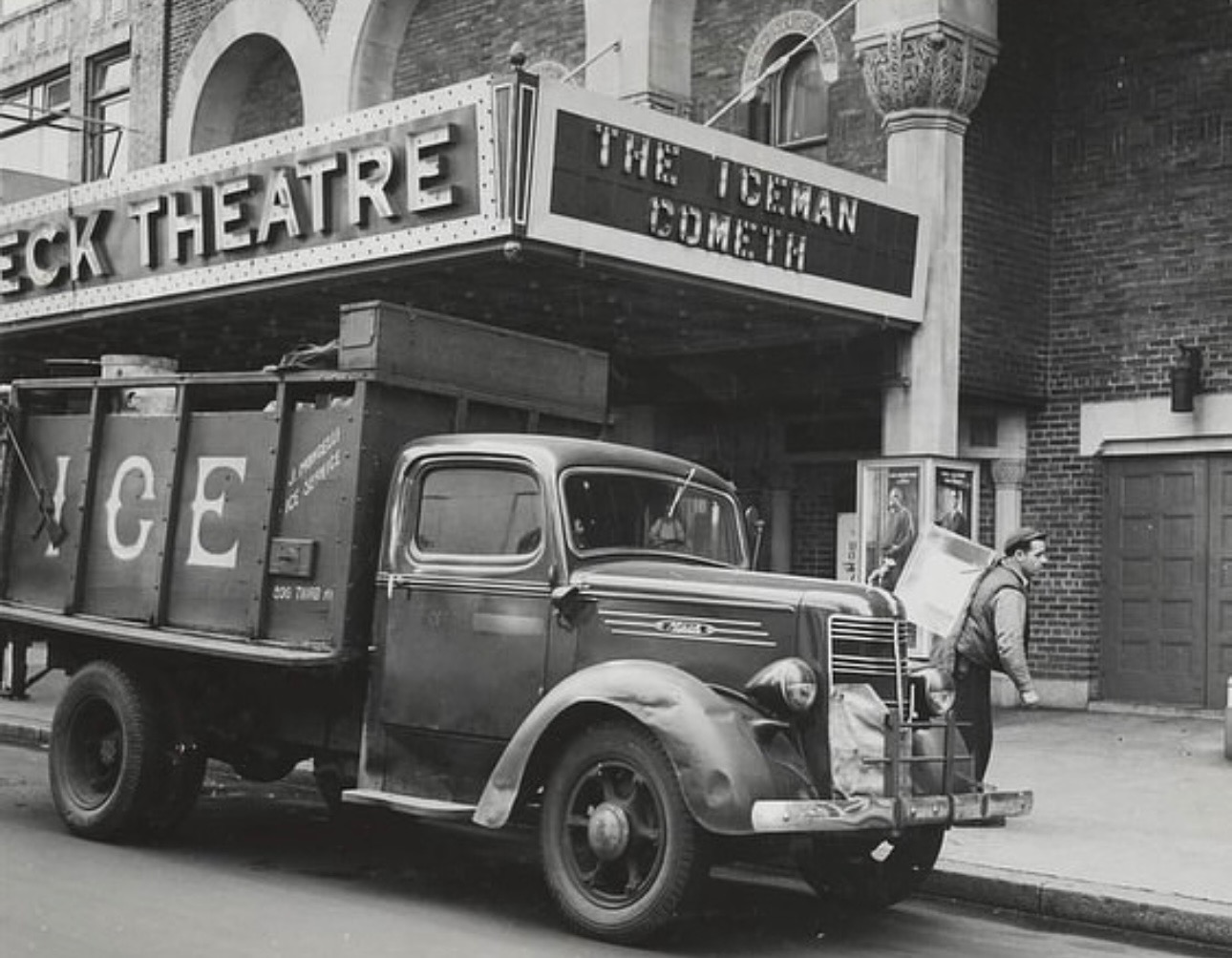
In 1938, the organization expanded its influence and became the official collective bargaining representative for Broadway producers and theater owners in negotiations with unions. This role made the League a key player in shaping the rules and standards of the theatrical industry.
When Broadway faced difficult times in the 1980s, the League not only reacted to the changes but also grew stronger because of them. It changed its name to the “League of American Theatres and Producers” and extended its activities far beyond Manhattan, encompassing theatrical stages across the country. In December 2007, the organization adopted the name we know today—the Broadway League—which more accurately reflects its diverse membership, from theater owners and producers to general managers and national tour presenters.
Throughout its history, the League has actively worked with the government, defending the interests of commercial theater. The Broadway League is the voice and defender of the entire theatrical ecosystem of North America, an organization that grew from a small group of operators into an influential association that sets the rules of the game for Broadway and beyond.
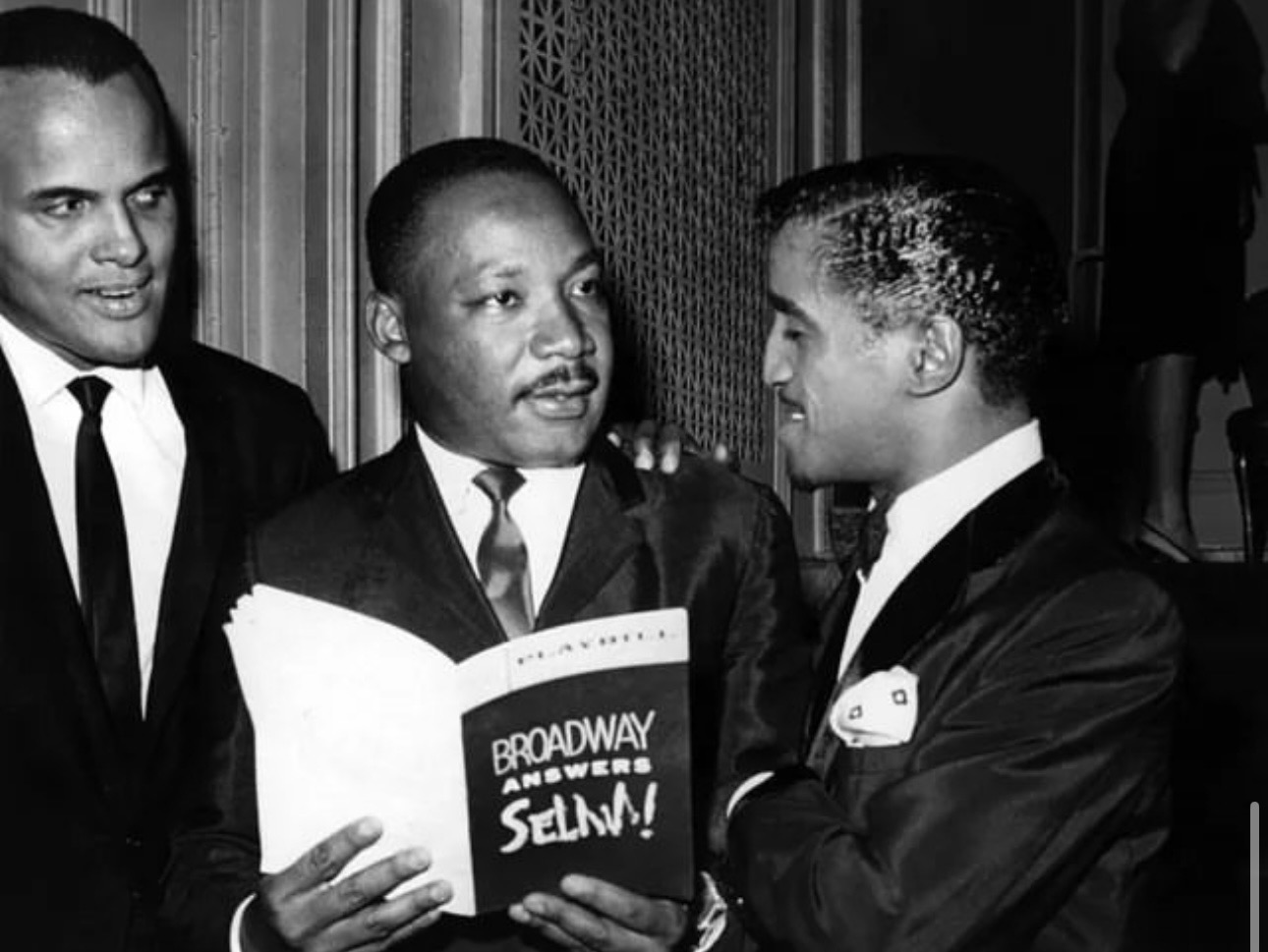
The Complex Structure of the Theater World and the League’s Role
Broadway operates entirely within a union system: actors, directors, musicians, and technical teams belong to various professional associations. The Broadway League, on behalf of producers and theater owners, negotiates with unions, coordinating work standards—pay, conditions, schedules, and safety rules.
Separately, the League collaborates with the Dramatists Guild of America, which, while not a union, offers authors and producers a standard contract for fair negotiations. The League’s collective agreements apply only to theaters owned by commercial operators—Shubert, Jujamcyn, and Nederlander. Non-profit institutions operate under LORT agreements, while large companies like Disney negotiate independently.
All of this creates a complex but well-coordinated system where creativity is balanced with clearly defined rules. It is thanks to the Broadway League that this system runs like clockwork and allows the magic of theater to come to life on stage every night.
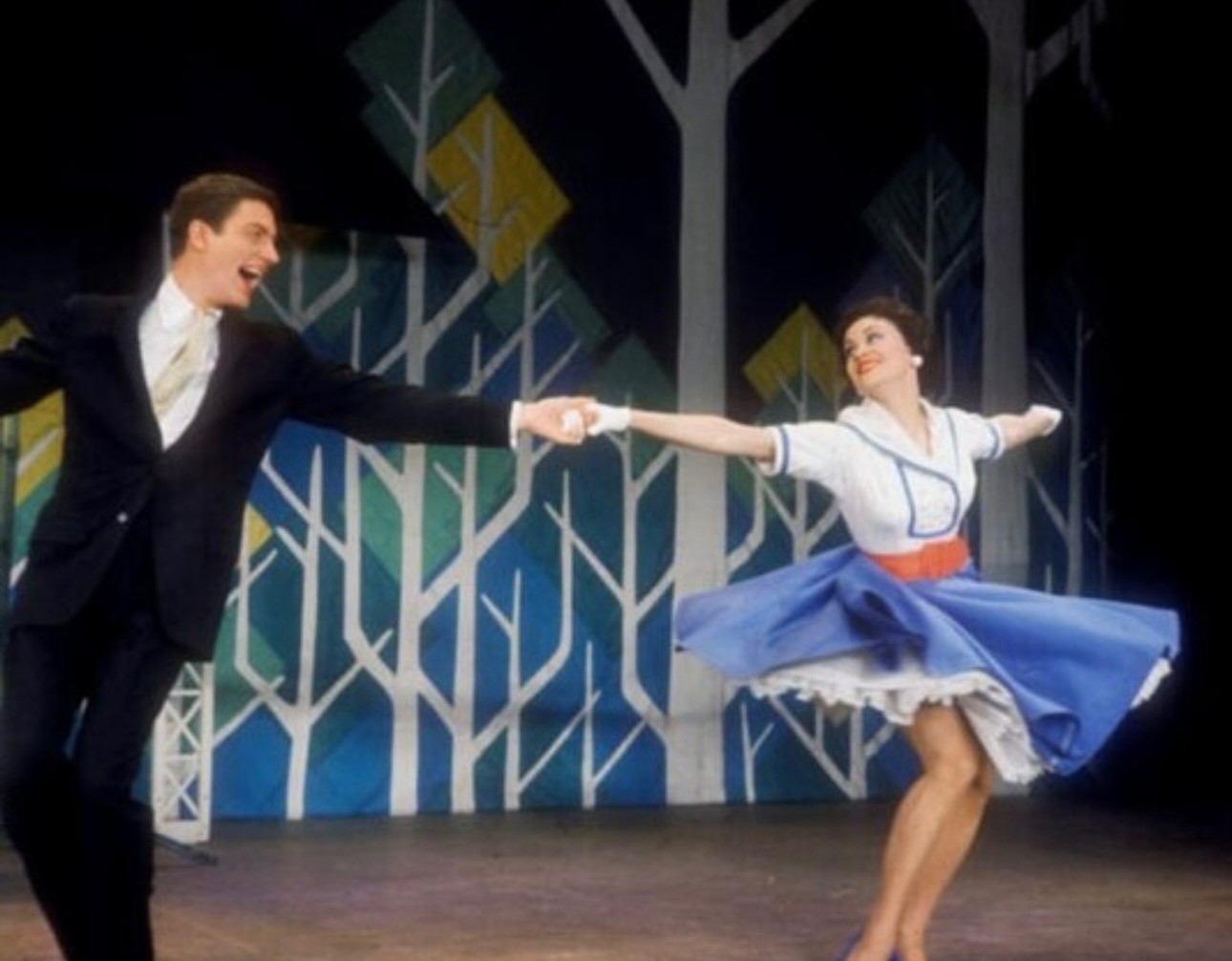
In addition, the League implements and develops many diverse programs and initiatives. Among them are:
- Kids’ Night on Broadway: children attend shows for free when accompanied by an adult;
- Family First Nights: subsidized tickets for low-income families;
- Viva Broadway: outreach to Latino communities, events, and media partnerships;
- Broadway Speakers Bureau: motivational meetings for high school and college students interested in theater careers;
- IBDB (Internet Broadway Database): an online encyclopedia about all productions, actors, and the history of Broadway;
- Broadway Green Alliance: supporting ecological standards in the theatrical sphere;
- Broadway Salutes: honoring theater veterans;
- Apple Awards: recognizing educational theater programs.
The Broadway League acts as the invisible engine that sustains the stability, growth, and openness of the theatrical industry. Thanks to its programs, Broadway continues to expand its audience, inspire new talent, and remain a vital part of American cultural life.
The Tony Awards and Other Broadway Honors
The Tony Award is the most prestigious honor in American theater, a kind of “Oscar” for the stage. It was first presented in 1947 in honor of Antoinette Perry, a woman who dedicated her life to the theater. The ceremony is jointly organized by the American Theatre Wing and the Broadway League—they ensure that the award maintains a high standard for live theater.
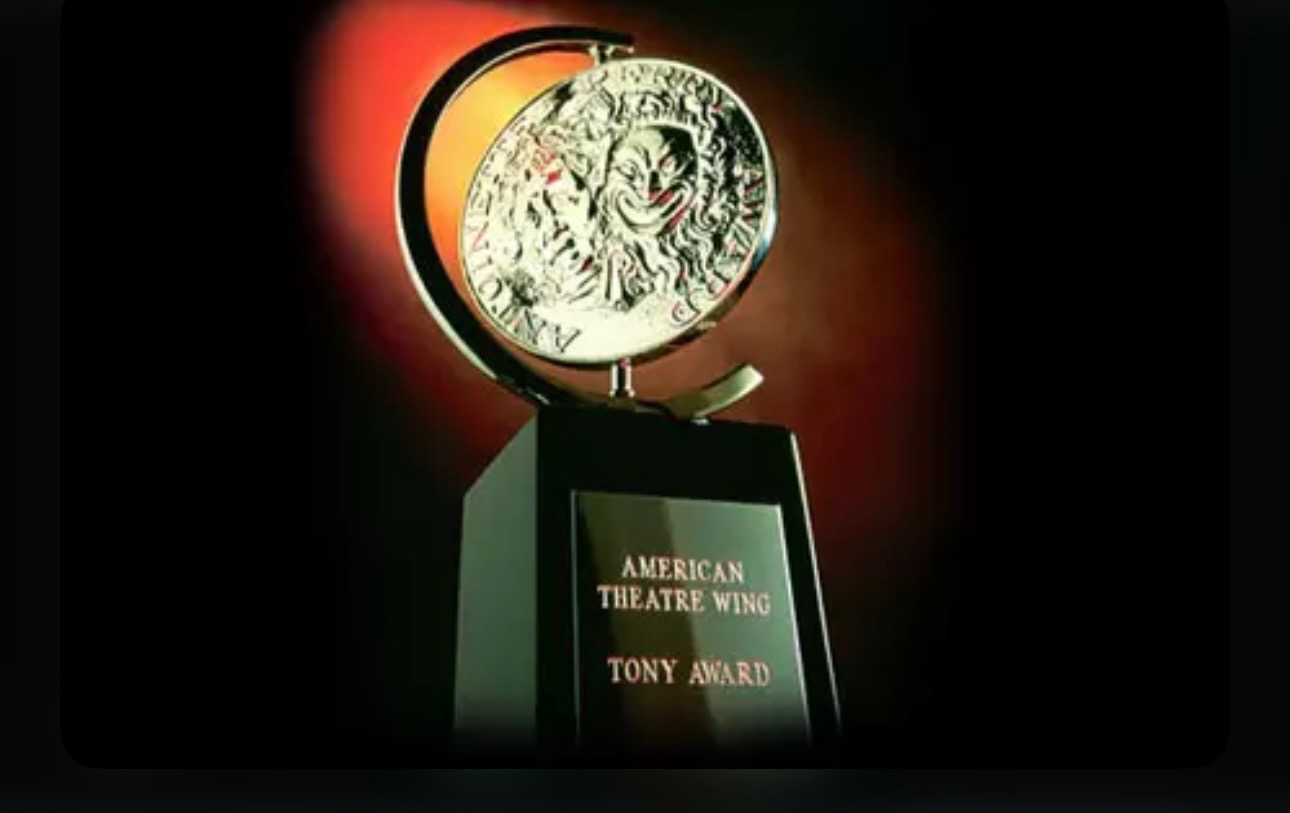
Although the awards are predominantly given to Broadway productions, regional theaters are sometimes recognized, as are artists whose achievements extend beyond competitive categories.
At the turn of the millennium, the League changed its membership rules, triggering a revolution. Previously, producers who paid dues automatically became lifetime members and had the right to vote for Tony winners. But since 2000, only active producers who had worked on a show within the previous decade were allowed to vote. Thus, dozens of lifetime voters, including well-known figures from theater and film, lost their voice in the country’s most prestigious theater award.
The League also actively supports and promotes theater through large-scale concert events. One of the most spectacular was Broadway on Broadway—a loud annual musical extravaganza in Times Square. Actors from the most popular productions gathered on a massive outdoor stage to kick off the new theatrical season. Although the event was discontinued in 2013, it remains a legend for Broadway fans.
Equally atmospheric is Stars in the Alley—a concert in the narrow, intimate Shubert Alley, usually held just before the Tony Awards. It’s a festive gesture to mark the end of another Broadway season; actors perform on an open-air stage, and passersby accidentally become part of a genuine theatrical marvel.
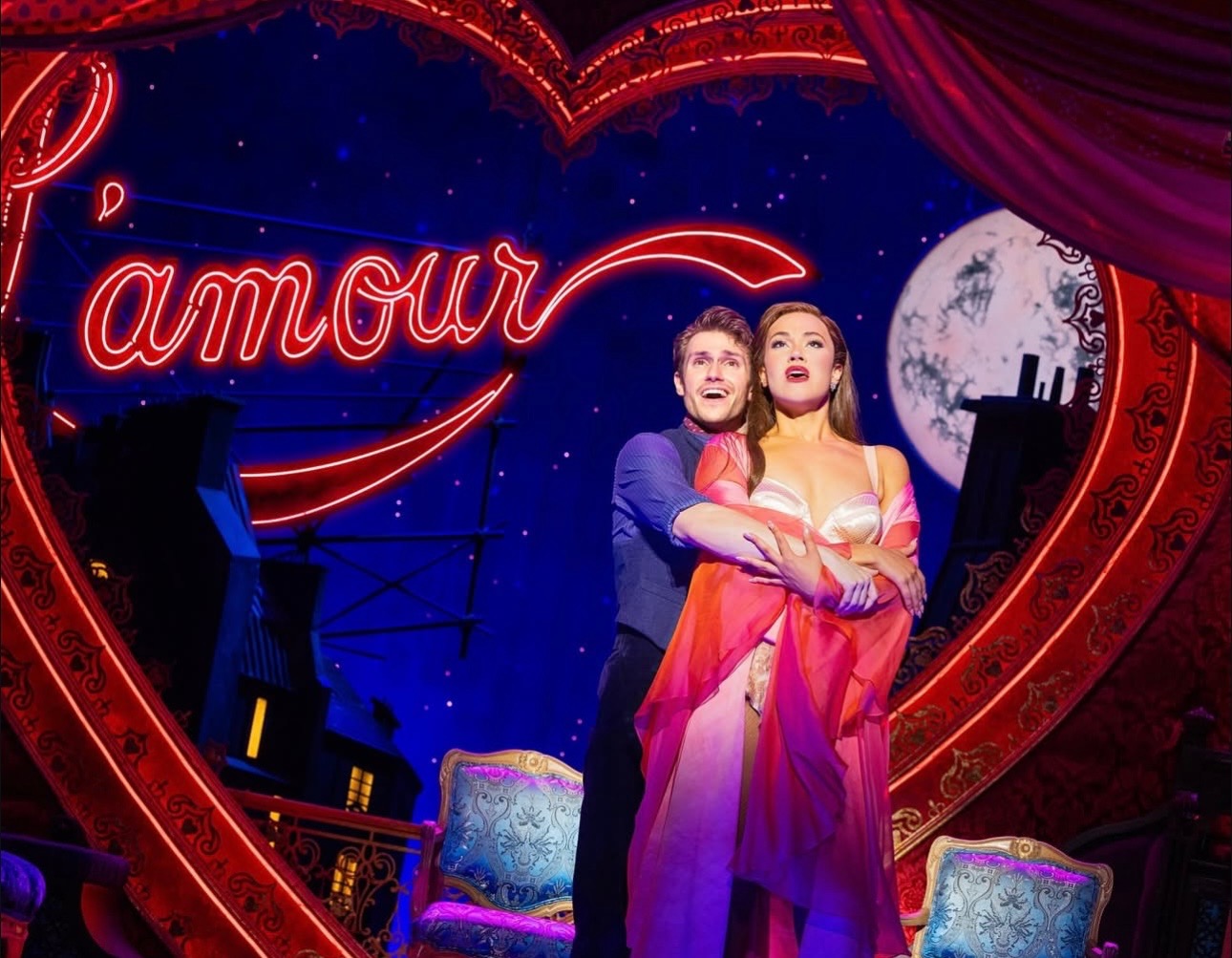
From time to time, the League also holds themed concerts, such as the Tony Awards Preview Concert, where nominees perform their numbers before the ceremony. In this way, Broadway does not just hand out awards—it creates traditions, brings people together, and transforms theater into a grand, vibrant, and living celebration.
A New Phase for Broadway
The Broadway League is experiencing a moment of transition—and at this time, leadership is taken by Jason Laks, a man who has been behind the most complex union negotiations for over a decade.
Jason confesses:
“This is my dream job. I’m a fan. I’ve been a fan of Broadway and theater since I was a kid, and I’ve just remained a fan forever.”
A lawyer by training and a theater fan since childhood, Laks joined the League in 2012 and has since been responsible for contracts with 14 unions. In late 2024, he officially became president. His main task is to help the industry regain stability in the post-pandemic era.
Laks acknowledges the scale of the problems but refuses to think in past terms.
“Our mission needs to be bigger than making it 2019 again,” he emphasizes.
Attendance has not yet returned to pre-pandemic levels: suburban residents are traveling to the city center less frequently. At the same time, production costs have soared, and every premiere has become riskier than ever.
Despite this, Laks remains optimistic. His vision is simple: support the industry, preserve jobs, and expand the theater audience. He points out that about 10,000 people work directly on Broadway, and thousands more depend on the theater indirectly—from the hotel business to restaurants.
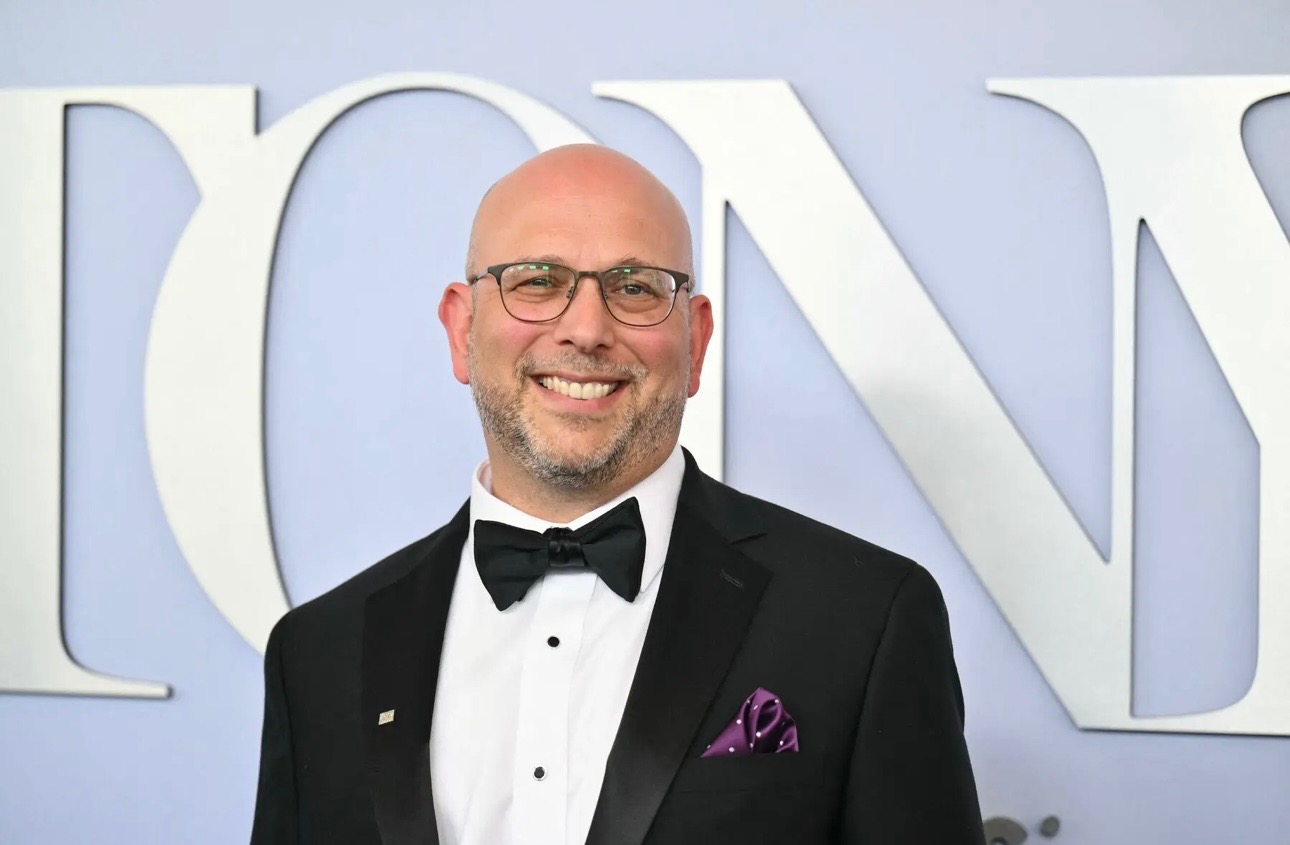
“We need to always be mindful of ways to make the business profitable,” he says.
In parallel, the League, along with Actors’ Equity Association, announced a major victory—a new contract that will govern Broadway productions through 2028. After lengthy negotiations, both sides reached a compromise on safety, work schedules, working conditions, and the stability of the health fund. Actors called the agreement progress in all priority areas, and Laks added that it represents real progress for both the industry and the workforce.
Broadway stands at the threshold of a new period, challenging but full of opportunities. And now its future partially depends on how Laks—the fan, negotiator, and strategist—will lead the theater forward.