This is the story of an actor who never stops. He constantly finds a new stage, a new genre, and a new story, but always returns to the main thing: the art of live performance, where every role becomes part of his creative legacy. He can be compared to Leonardo DiCaprio. An actor the whole world knew, yet waited years for his coveted “Oscar.” Similarly, Danny Burstein only won his first Tony Award in 2021, while the entire theatrical world had been celebrating him for decades. Read on new-york-trend.com for the life and creative journey of this actor. Read on for the life and creative journey of this actor.
The Boy Enchanted by the Stage
Joel Grey, born Joel David Katz in Cleveland, never had an ordinary childhood—he grew up in a home where laughter and music were as natural as air. His father, Mickey Katz, was a star of comedic revues for Jewish audiences, and his mother, Goldie, was a woman who believed from youth that her son would become a famous actor. She named him Joel after the screen hero Joel McCrea.
The stage entered his life early; at the age of nine, the boy was already under the theatrical spotlights of the Cleveland Play House in the play On Borrowed Time.
“That experience grabbed me by the throat and pulled me toward the fire. I knew I was an actor,” he recalls.
The family’s move to Los Angeles opened new possibilities. As a teenager, Joel performed in his father’s revue, Borscht Capades, dancing, singing, and doing comedy routines. It was there that he was noticed by the famous entertainer Eddie Cantor and invited onto the TV show The Colgate Comedy Hour. Thus, at 18, the young man found himself on national television—wide-eyed, energetic, able to crack a joke, dance the Charleston, and even bark like a seal.
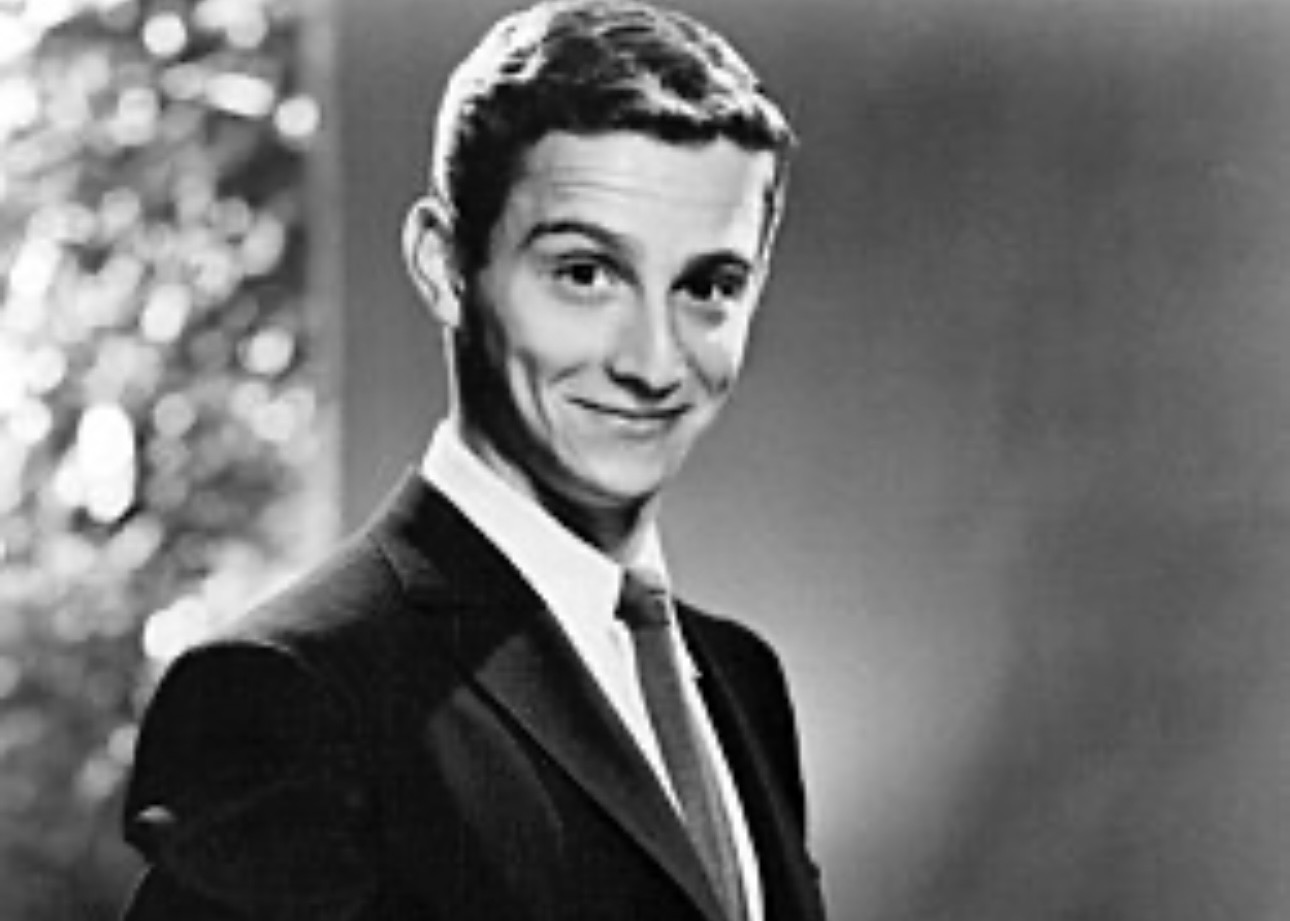
Television brought popularity but also became a trap. Directors and producers were reluctant to see Joel in dramatic roles:
“Oh no, he’s a television guy,” he would hear. Or: “He’s a nightclub entertainer.”
At the time, Joel was performing in the trendiest clubs—from Hollywood’s Mocambo to Las Vegas, where he had an affair with the legendary stripper Sherry Britton. On the surface, it was the glamorous life of a young showman. In reality, it was a gilded cage.
“I hated it. For years, I couldn’t get an audition for a Broadway show because I was relegated to another world. The theater was very high-minded,” he later confessed.
Joel even changed his surname from Katz to Grey to shed ethnic associations that might hinder his career. He did not give up, working in summer stock, in regional productions—anywhere he could fight for a chance to prove he was not just a TV comedian or a handsome club performer, but an actor with a wide range.
Realizing the Dream and First Recognition
Joel Grey moved through the theater world unhurriedly yet confidently and persistently, like a man who knew his true role was still ahead. Returning to Broadway in the revue The Littlest Revue (1956), he understudied stars in Neil Simon plays and appeared in musicals like Stop the World – I Want to Get Off (1962) and Half a Sixpence (1965).
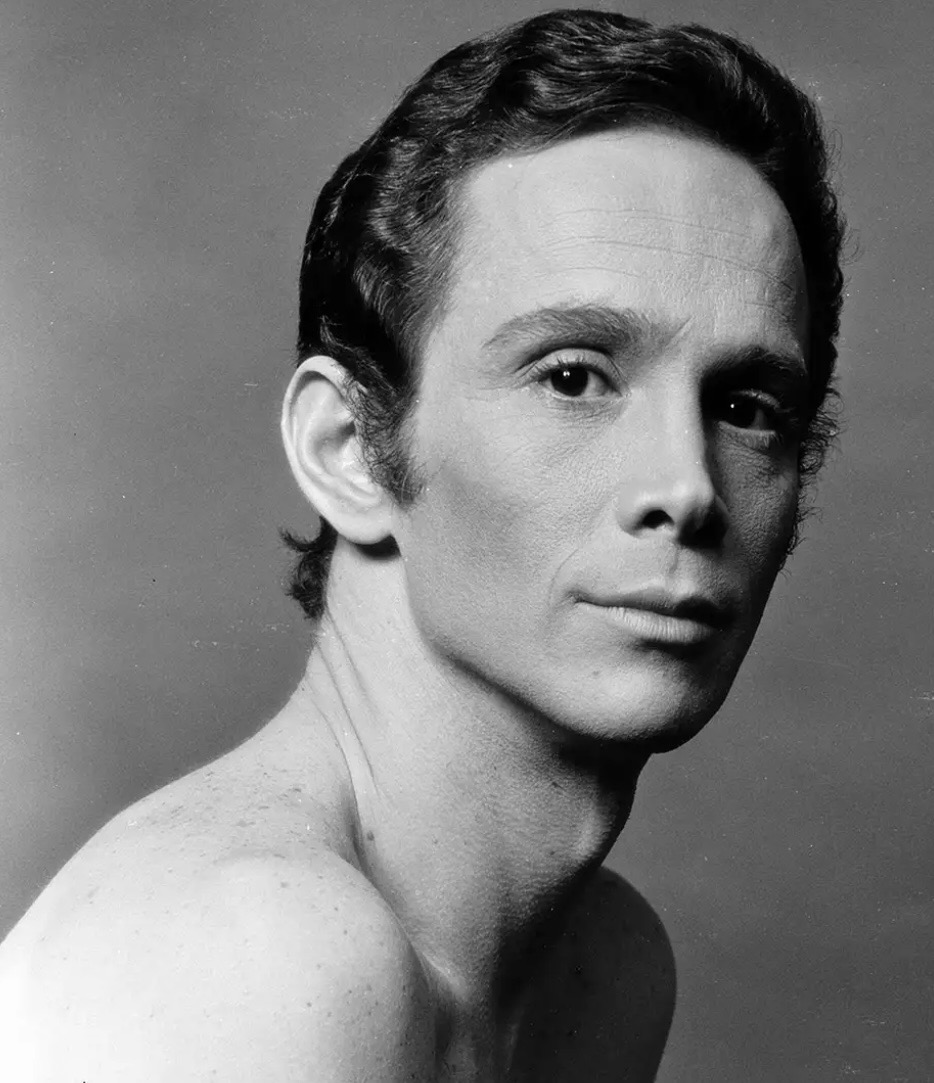
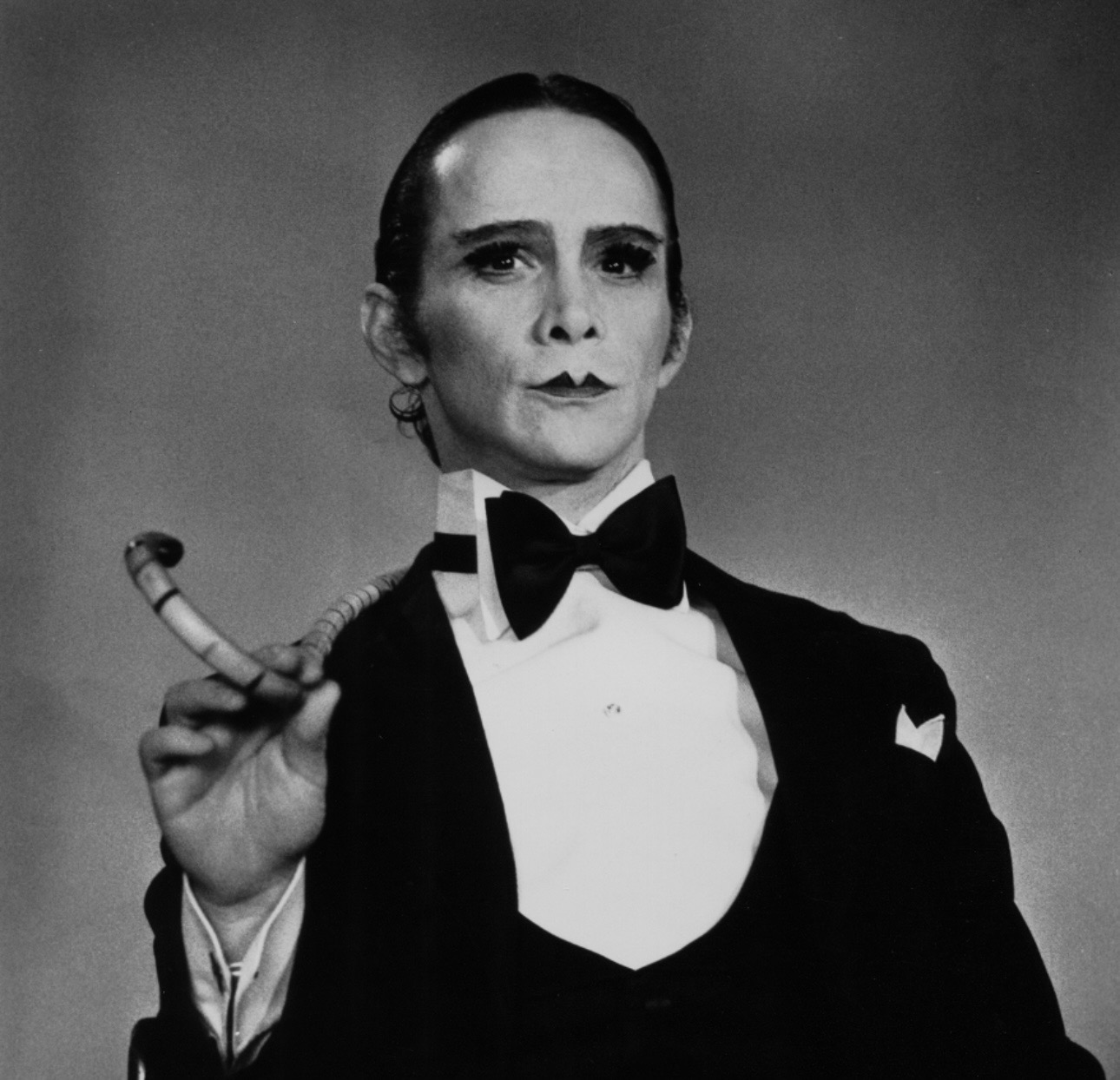
The story changed in 1966 when producer Harold Prince called him. Just like that, without an audition, Grey landed the role that changed his life—the Emcee in the musical Cabaret. His cynical, demonically seductive character was a revelation. Joel Grey won a Tony Award in 1967 and became the show’s symbol.
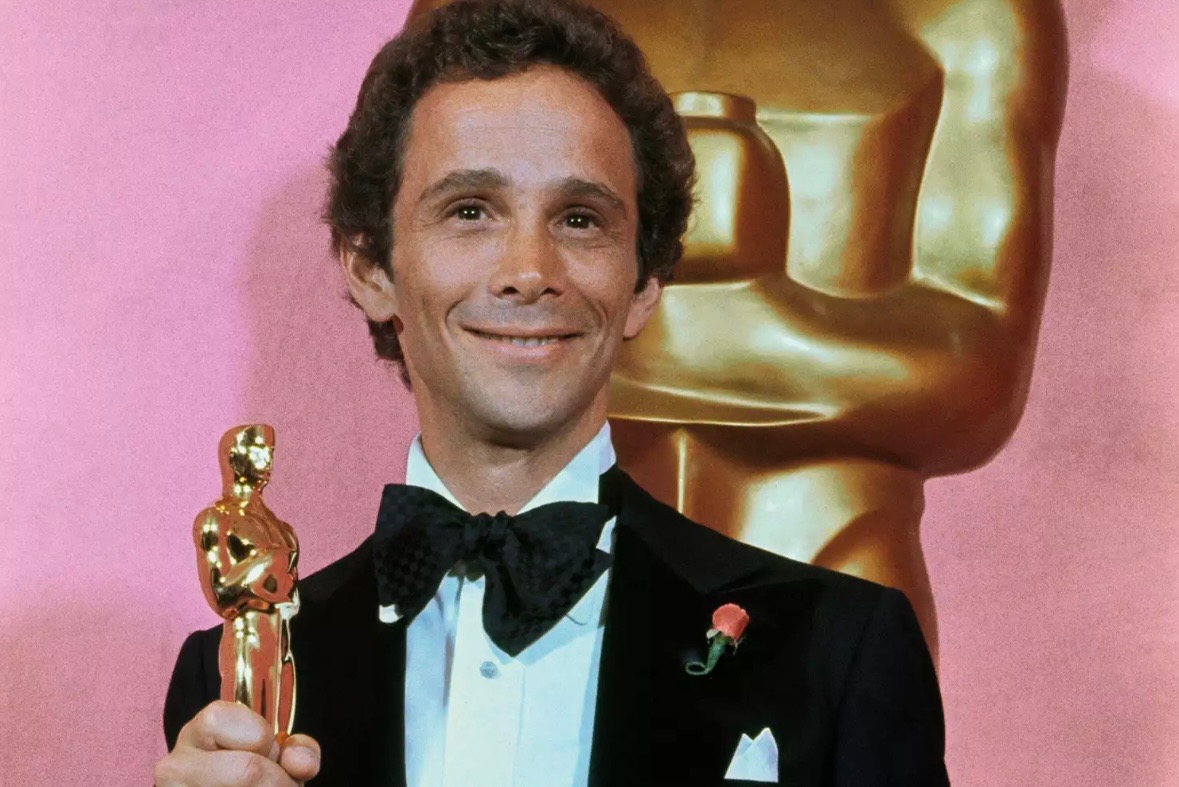
Bob Fosse, hired to direct the film version of Cabaret, initially did not want Grey in the role of the Emcee. He even threatened to walk away from the project if Joel was cast, but the studio insisted, and Grey appeared on screen. In 1973, he won an Oscar for Best Supporting Actor, defeating nominees from The Godfather.
“I don’t think they ever forgave me!” he laughed, recalling his colleagues’ reaction.
Decades later, people quote his lines and try to replicate the smile, gaze, and gestures of the charismatic Emcee, but no one has come close to the original. Because Joel Grey didn’t just play a role. He created an archetype.
After Cabaret, Grey received leading roles as easily as he once got understudy parts. In films, he was a producer in Robert Altman’s Buffalo Bill and the Indians, starred in the drama Kafka (1991), and was a satirical genius in The Music of Chance.
In the 1980s, Grey bravely shed his “cabaret magician” status and took on the challenging dramatic role of Ned Weeks in The Normal Heart—one of the most important plays about AIDS. The play was shocking, and his performance was called painfully honest.
On television, he appeared in series like Star Trek: Voyager, Dallas, Brooklyn Bridge (for which he received an Emmy nomination), voiced Tom and Jerry: The Movie, and played himself in Altman’s film The Player.
Later Bloom, New Roles, and a Second Broadway Birth
After the 2000s began, Burstein became the kind of actor who seemed to be constantly at the center of the theatrical movement. He easily moved from Broadway to film, from television to opera, and then returned to the stage.
One of the highlights of this period was his transformation into the Wizard in the Broadway musical Wicked. Along with Idina Menzel and Kristin Chenoweth, he laid the foundation for the phenomenon that captivated the world. Grey portrayed the Wizard not as a mere magician but as a man with an invisible shadow, earning him an Outer Critics Circle Award nomination.
In 2011, Grey returned to Broadway in the musical Anything Goes, and soon after, co-directed a revival of The Normal Heart. The production won the Tony for Best Revival, and Grey himself received a directorial nomination, calling the work a piece of his heart. In parallel, he continued to act in television (Nurse Jackie, CSI, Park Bench).
In 2016, Joel Grey returned to the classics in Chekhov’s The Cherry Orchard, and in 2018, he made a bold creative gesture by directing “Fiddler on the Roof” in Yiddish. What seemed like an archaic experiment turned into an Off-Broadway sensation, winning Drama Desk and Outer Critics Circle awards.
Late in the decade, he appeared in the film Tick, tick… BOOM! as a symbolic figure of the theater, and in 2022, he joined the series The Old Man and the project The Investigation, joking that with age, he had become an expert in embodying powerful people with secrets.
Love, Photography, and the Long Journey to Self
When theatrical fame waxed and waned in waves, photography became a quiet sanctuary for Grey. Through it, he discovered cities, faces, moments, and himself.
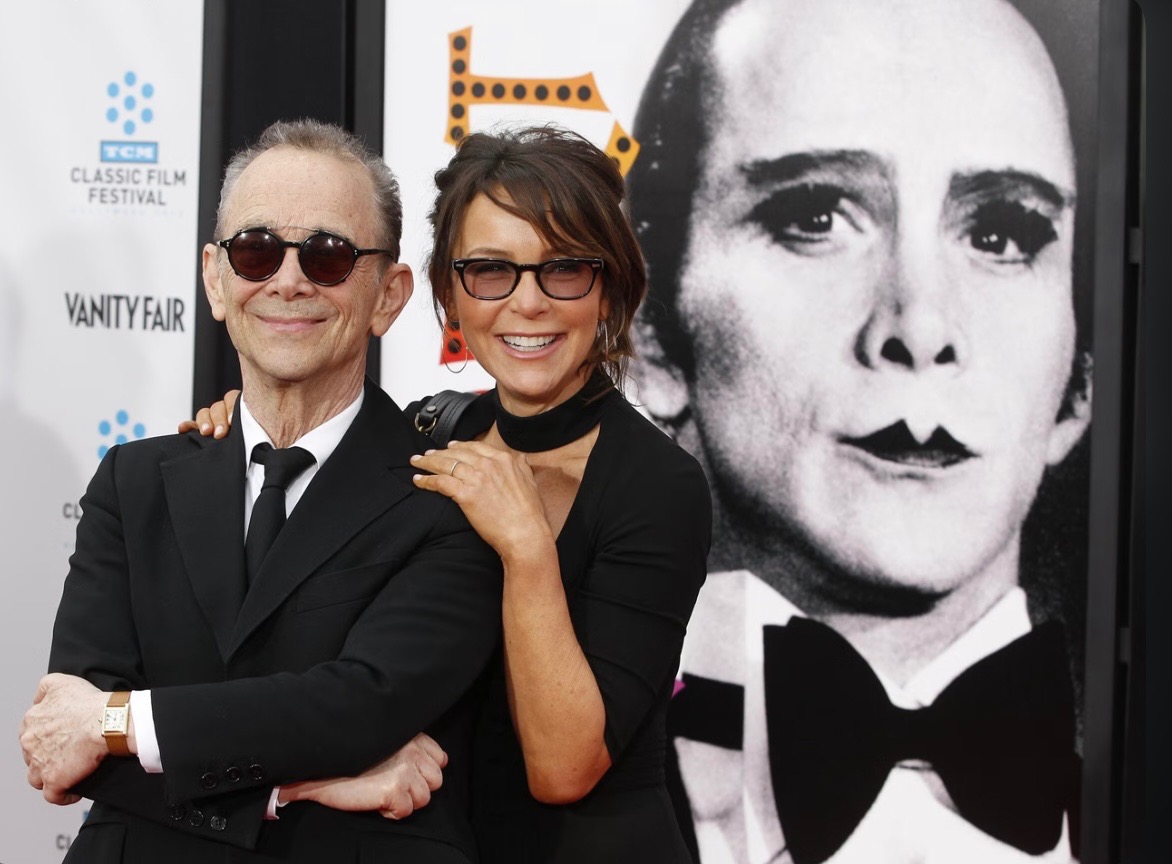
His first book, Pictures I Had to Take (2003), felt like fragments of an internal diary. Others—Looking Hard at Unexpected Things (2006) and 1.3 – Images from My Phone (2009)—showed that the camera was no less important to him than the stage. An exhibition, Joel Grey / The New York Life, at the Museum of the City of New York (2011) confirmed: Grey had long outgrown the single-role actor label.
In Joel’s private life, there were years marked by love, silence, fears, and a late liberation. In 1958, he married actress Jo Wilder. On that day, he did not yet know how long he would carry the shadow of untold truth and how that truth would one day change everything. Their marriage lasted 24 years and brought them two children—Jennifer, the future star of Dirty Dancing, and James, who would become a chef.
Despite the love and warm memories, there was an emptiness within the marriage that they both failed to address for a long time. When Grey confessed his past gay experiences to his wife, it only underscored the invisible fissure that had long existed between them. He later wrote:
“The need to be free, both mine and Jo’s, eventually led us to divorce.”
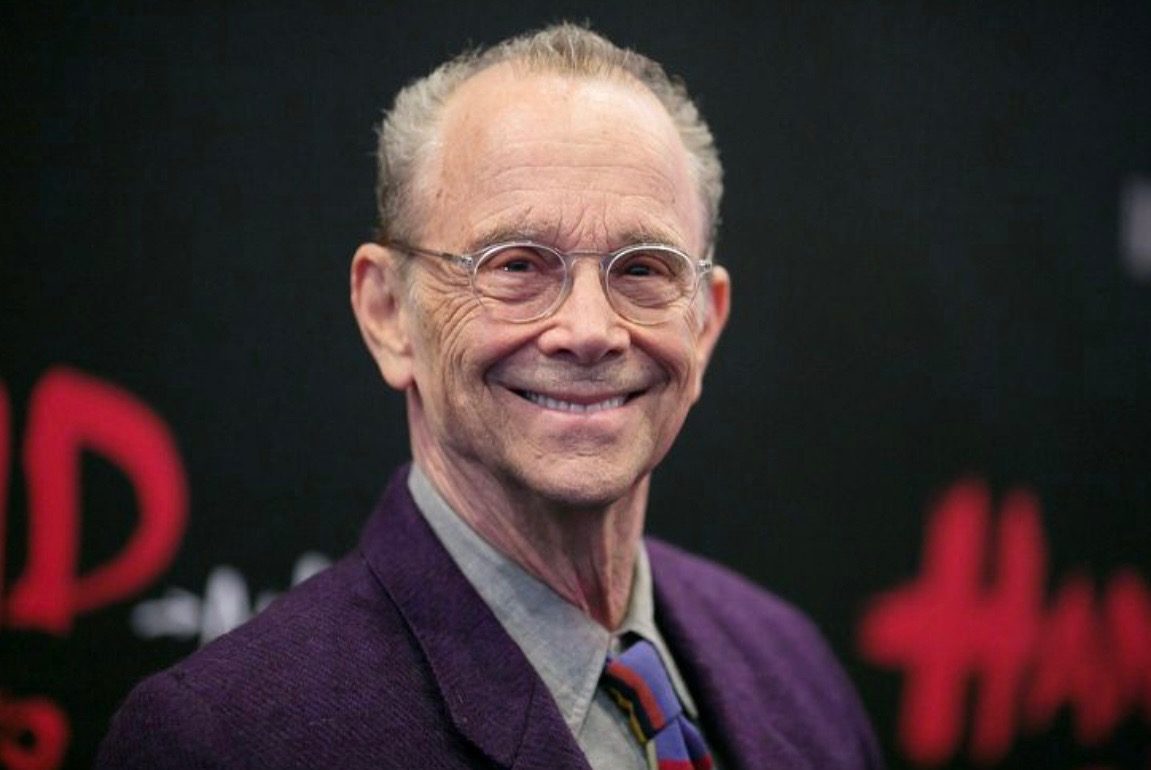
Grey publicly came out about his sexuality only in 2015, at the age of 82. His words were quiet yet trembling:
“I don’t like labels, but if you have to label it, I’m a gay man.”
It wasn’t a loud confession, but rather an unburdening. In his memoir, Master of Ceremonies (2016), he recounted how he had concealed this part of himself from colleagues, the world, and sometimes even himself for decades. The most painful moments in the book include his teenage affair with the young cantor of their synagogue. The moment his mother pushed him away after his confession. The fear that scandal could forever close the door to his profession.
“There were so many early inputs about the horror of homosexuality… I knew that to survive in that world, I would have to hide the truth about myself.”
Joel understood that the world would leave no room for him if he came out.
Writing his memoirs, Grey drew a conclusion: everything that happened to him—both the light and dark fragments—became part of his strength.
“Nothing is wasted. Everything that happens to you becomes who you are and what you stand for.”
The journey of Joel Grey is the story of a man who lived two lives: one in the spotlight, the other in the shadow of his own secret. And only in his later years did these two lives finally unite into one genuine existence.