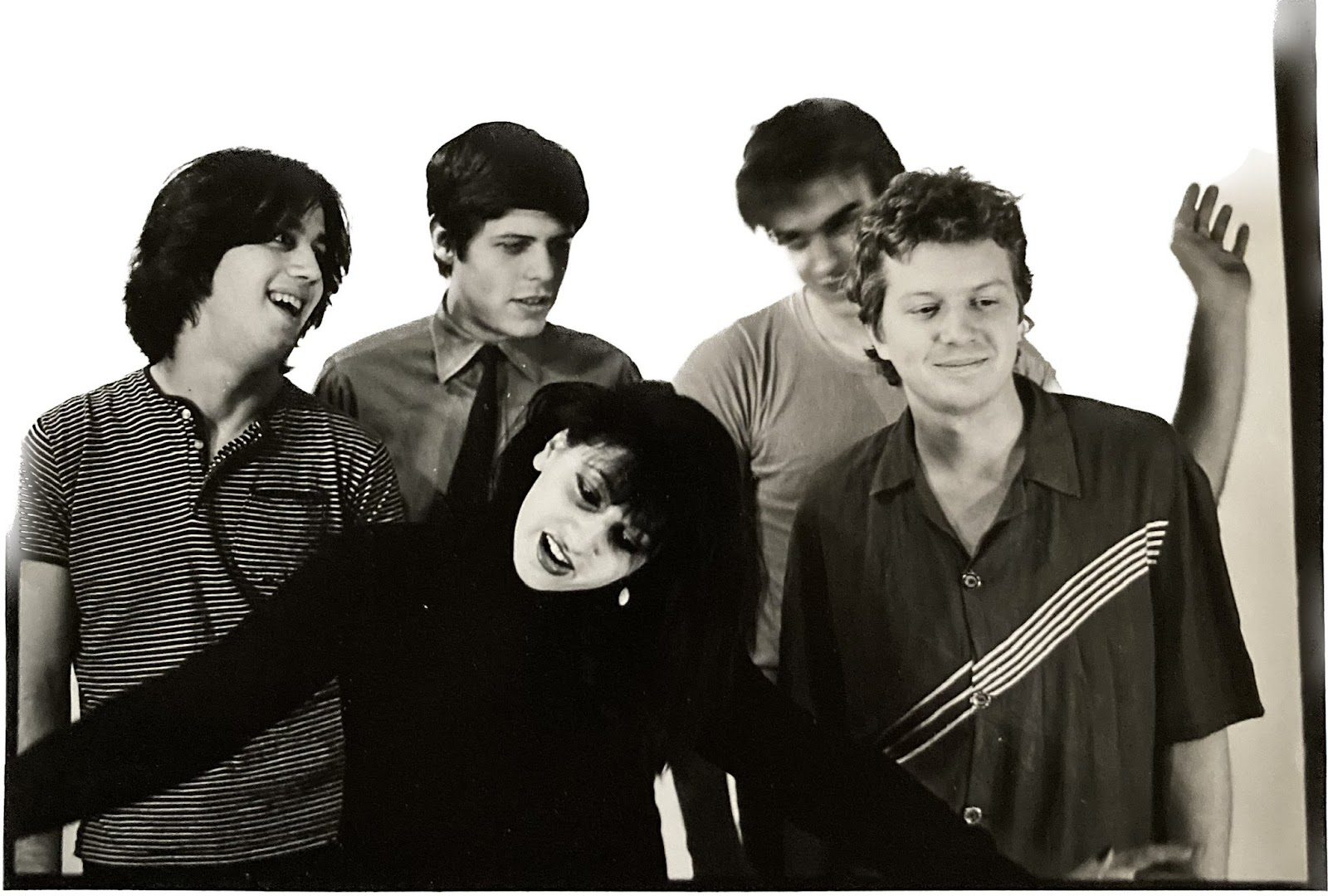
No Wave is not just a musical genre but also a cultural phenomenon in New York. The genre combines elements of punk, art rock, free jazz and experimental music, creating a chaotic yet captivating sound palette. No Wave not only reflected the spirit of New York’s alternative culture but also became an important stage in the development of musical culture. It paved the way for numerous musical experiments and innovative creative approaches. Learn more at new-york-trend.
ORIGIN OF NO WAVE
The name No Wave emerged as an ironic response to the genre New Wave, which dominated in the late 1970s. New Wave encompasses a broad spectrum of bands with completely different sounds and approaches to music-making that originated from the punk scene but played eclectic pop music.
However, they shared a punk DIY ethic – do it yourself, which meant independence from the music industry. It involved independent recording, distributing music, organizing concerts and making special clothing without the help of major labels in the process.
No Wave is avant-garde music, in which punk, disco, funk, jazz and noise are intertwined in a unique way. Its main elements were atonality and a plethora of dissonances. No Wave musicians opposed the primitiveness of punk, rock and roll and rock, essentially deconstructing these genres.
The genre emerged and developed solely within New York and is closely associated with the city, thus becoming its cultural heritage.
THE IMPACT OF SOCIO-ECONOMIC ISSUES OF NEW YORK ON THE MUSIC
The radical approaches of No Wave musicians were shaped and dictated by their environment, the socio-economic upheavals and the existential vacuum of New York in the late 1970s and mid-1980s.
Already before 1900, New York had become one of the largest cities in America, with a population of about 3.4 million people. Immigrants from all over the world flocked to the city. Poles, Jews, Italians, and additionally, the Great Migration of six million African Americans from the “white,” conservative South of the United States stretched nearly 70 years and ended in 1970. Some of them settled in New York.
New York embraced ethnic diversity, dividing into Jewish, Italian and Polish districts, where immigrants fought for their territories. By 1920, the population had grown to 5.4 million, and by 1950, it reached 7.9 million people, despite the immigration acts.
New York gradually transformed into a bustling hive, expanding and absorbing territories and neighborhoods, turning them into part of itself. New York also became the largest financial center in the U.S. and the monetary capital of the country.
It is not surprising that, having risen so high and become the economic hub of the U.S. and the unofficial capital of the world, New York experienced a painful decline in 1929. It happened after the collapse of the New York Stock Exchange and the onset of the Great Depression.
After World War II, in the 1950s, the ethnic map of New York began to change due to external factors. A trend known as “White Flight” emerged. White working- and middle-class people moved out of the central areas of the city and relocated to so-called white suburbs. Businesses and manufacturing were also gradually transferred there. This led to an urban collapse and seemed that once a great city began to wither away.
In 1960, New York was shaken by riots and strikes. For example, in 1964, the Harlem Riot began after a police officer shot a 15-year-old black boy.
In 1968, a sanitation crisis began. Sanitation workers went on strike and stopped working. Around 100,000 tons of garbage accumulated on the streets of the city as a result.
Crime and violence reigned in the streets. In 1970, New York was in a state of near-total anarchy. In 1975, survival guides for visitors to New York called “Welcome To Fear City” were handed right at the airport. It contained detailed descriptions of rules of conduct, such as not leaving the hotel after six in the evening and not using the New York subway.
BIRTH AND DEVELOPMENT OF NO WAVE
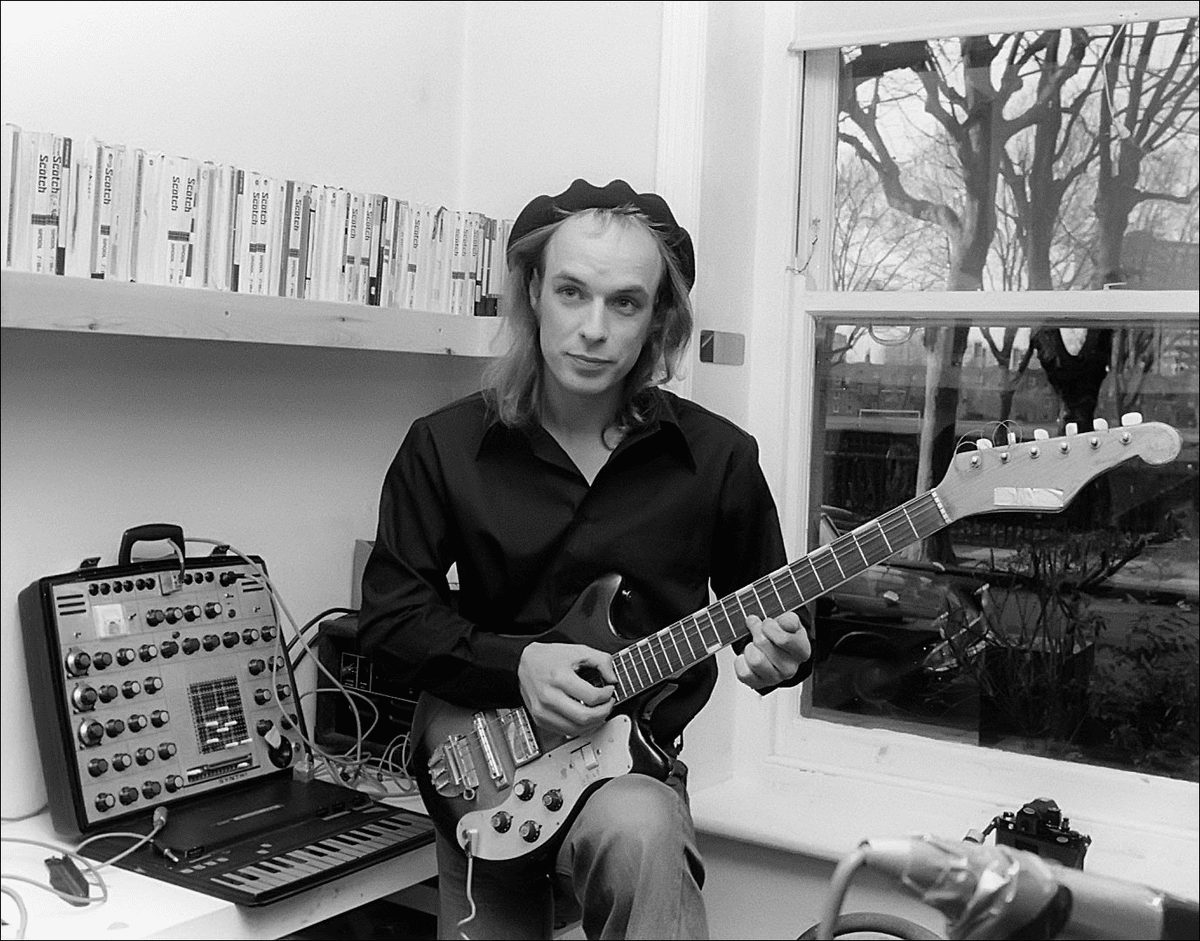
In fact, this movement might have gone unnoticed if it had not been for the prominent British producer and musician Brian Eno.
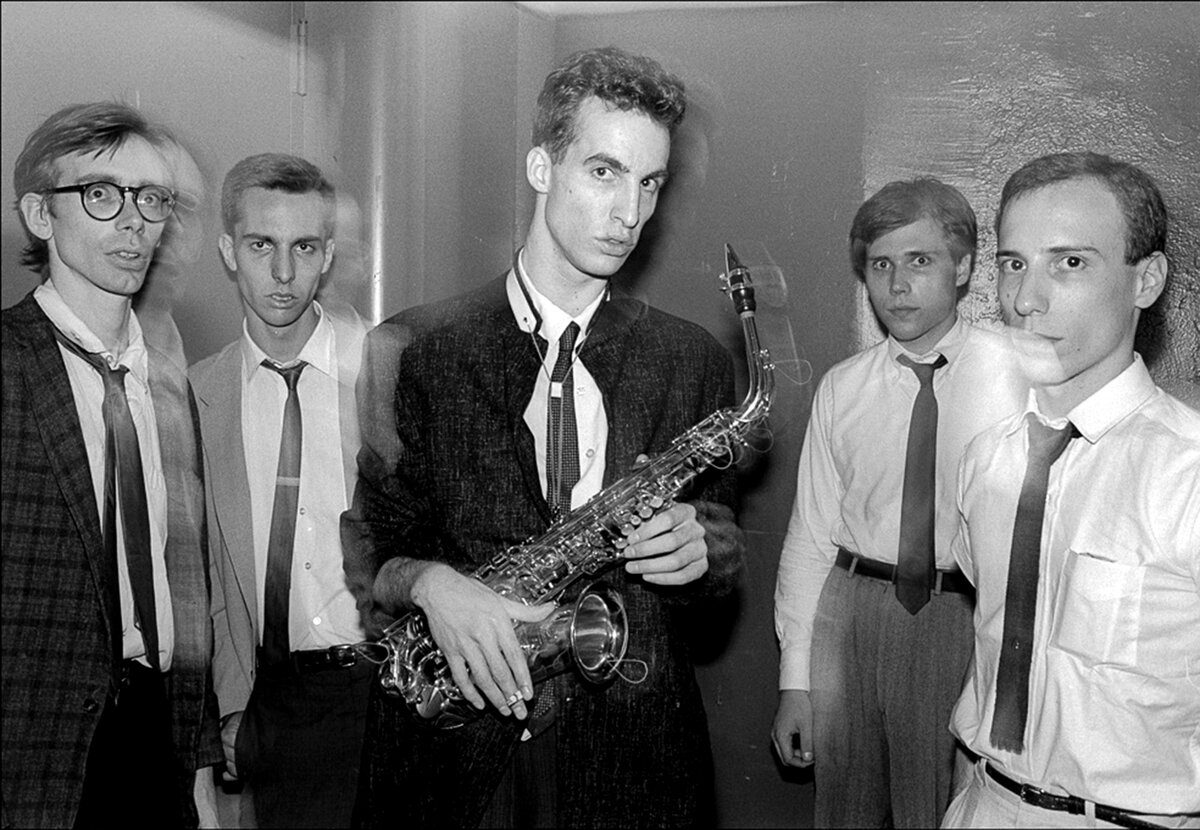
In 1978, a punk festival took place at the Artists Space gallery. There, four bands, DNA, The Contortions, Mars and Teenage Jesus And The Jerks performed for the first time. The legendary Brian Eno was at the festival. He was so impressed by the music that he decided to release a compilation titled “No New York.” The collection became a landmark document of the genre.
Unlike Eno’s other records, in which he was heavily involved in technical matters, “No New York” was recorded live in the studio, without separation between instruments and additional effects. It was simply a document of its time. However, in 1979, Eno did mention in a lecture that on “Helen Thormdale Mars” from the “No New York” album, he added echo to the guitar part and used it to create compression in the track, making it sound like helicopter blades. The album has a sarcastic sound as if mocking its own frantic noisiness.
There are many dissonances, chaos in the mix and avant-garde cacophony. “No New York” may seem like just a random set of sounds. The vocals resemble the inarticulate screams of a child, which in turn connects it to the Dadaist declarations of avant-garde artists from the early 20th century.
In the same year, 1978, the label ZE Records appeared. It was engaged in releasing music by artists in the No Wave genre. In 1981, Noise Fest took place, curated by Thurston Moore from Sonic Youth. It was attended by both avant-garde musicians and artists. Sonic Youth played for the first time there.
The No Wave genre lasted only ten years and began to decline by the end of 1980. However, it had a significant impact on alternative music, particularly noise rock and grunge, as well as on the art scene and cinema. Iconic artist Jean-Michel Basquiat and his works, along with Jim Jarmusch’s first film Permanent Vacation, are vivid examples of No Wave in a broader sense than just a musical genre.
MORE ABOUT THE REPRESENTATIVES OF NO WAVE
- DNA — one of the main representatives of No Wave, known for their heavy, raw, atonal and monotonous guitar music.
- The theatrical The Contortions, featuring expressive punk vocalist and saxophonist James Chance, blended disco and funk with atonal guitar and saxophone riffs.
- The fierce, heavy, industrial Teenage Jesus & The Jerks, with lead singer and writer Lydia Lunch (her heavy and very intriguing semi-memoir “Paradoxia: A Predator’s Diary” is worth noting, though it contains much violence and graphic scenes).
There are more bands on the list, including 8-Eyed Spy, Bush Tetras, Come On, The Contortions/James Chance, Dark Day, Friction Futants, Judy Nylon, Glenn Branca, Liquid Liquid, Lydia Lunch, Mars, Model Citizens, The Phosphenes, Raybeats, Red Transistor, Rhys Chatham, Marc Ribot, Rosa Yemen, Sharon Cheslow, Sick Dick & The Volkswagens, The Static, Suicide, Swans, Teenage Jesus & The Jerks, Theoretical Girls, Ut, Von Lmo, Y Pants.