


Broadway is a theater district in New York City known worldwide. But it’s worth noting that not all shows take place there. Many productions happen “off-Broadway,” and they offer a different, no less compelling, alternative. What’s the difference? Knowing this can help you better understand the diversity of the city’s theater scene. Read more about it in this article on new-york-trend.
What Is Broadway?
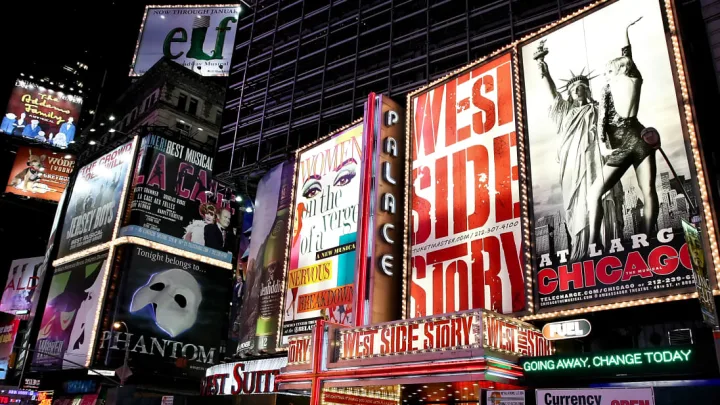
Broadway is a term for a collective of theaters located in New York’s Theatre District, primarily along the avenue of the same name. This iconic area is famous for legendary productions that captivate audiences worldwide.
What Is Off-Broadway?
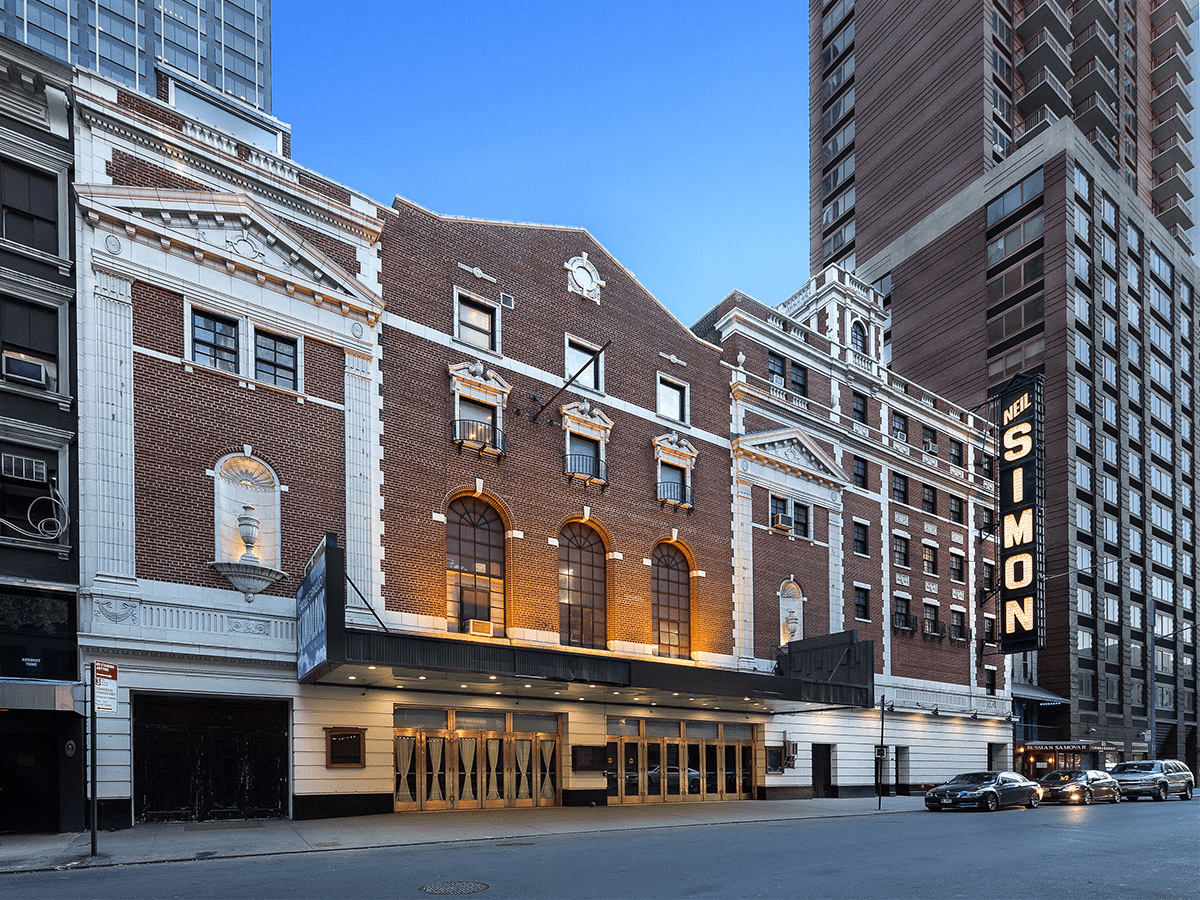
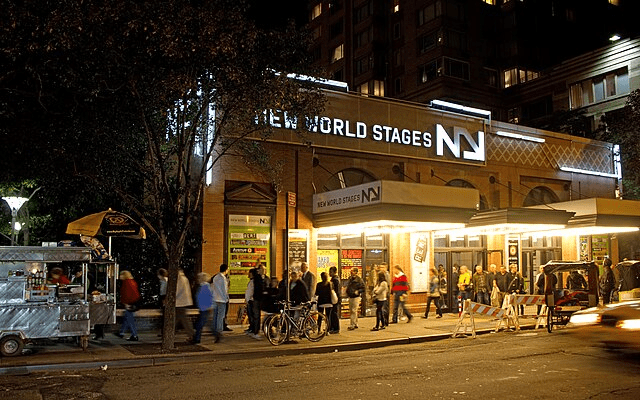
Off-Broadway theaters are also located in New York City, but they are distinguished by a more intimate atmosphere. They offer audiences a chance to immerse themselves in a different theatrical experience, presenting productions with smaller budgets that are no less original or emotionally profound than legendary Broadway shows.
The Main Difference: Theater Size
The primary difference between Broadway and Off-Broadway theaters is seating capacity. According to the Actors’ Equity Association, theaters are classified as follows:
- Broadway theaters: 500+ seats, with some holding more than 2,000 people.
- Off-Broadway theaters: 100-499 seats.
This classification affects everything from ticket prices to union contracts and award eligibility.
It’s also worth noting that there are Off-Off-Broadway theaters, which can seat no more than 100 people. These are primarily experimental theaters or venues located in neighborhoods with a specific ethnic focus. Examples include The Flea Theater and The Brick, known for their bold programming, focus on new works, and experimental, multidisciplinary performances.
Location: Broadway vs. Off-Broadway Theaters

A common misconception is that all Broadway theaters must be located on Broadway itself. In reality, Broadway theaters are situated within the Theatre District, which spans from 41st to 54th Street between Sixth and Eighth Avenue. These venues, including the iconic Shubert Theatre, Majestic Theatre, and Richard Rodgers Theatre, stage some of the most famous musicals and plays in the world.
Off-Broadway theaters, on the other hand, are scattered throughout Manhattan, with a high concentration in areas like Greenwich Village, SoHo, and the East Village.
Scale of Production
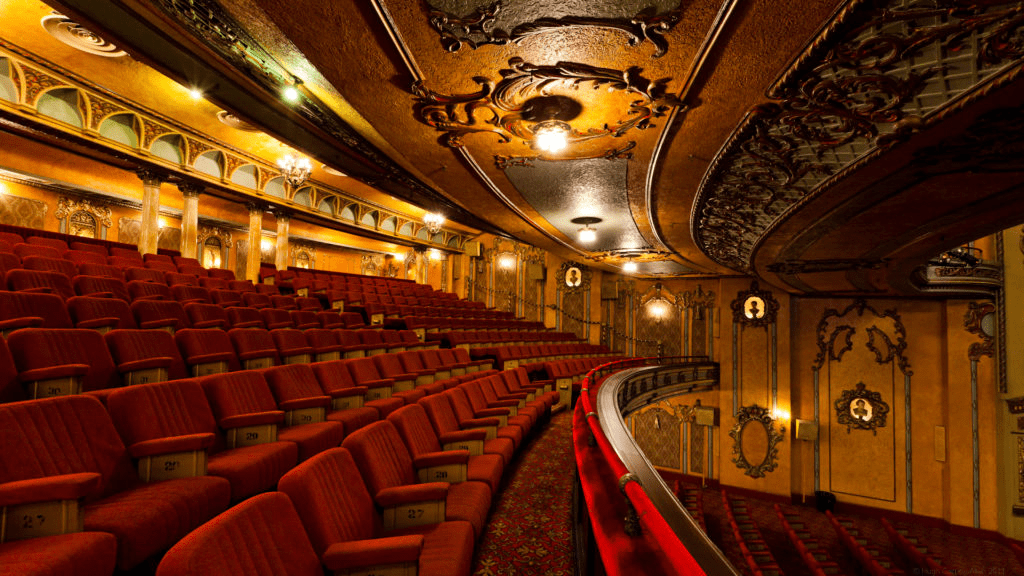
Broadway productions are multimillion-dollar spectacles with elaborate sets, large casts, and full orchestras. Off-Broadway shows, while professionally produced, operate on smaller budgets. They tend to focus more on experimental performances, emerging playwrights, and nontraditional staging methods. Some Off-Broadway productions even use immersive or interactive elements, breaking the traditional barrier between the stage and the audience.
Tickets for Broadway shows are typically more expensive due to their large-scale productions and high demand. Premium tickets for popular shows can cost well over $200-$500. Conversely, Off-Broadway shows offer a more accessible alternative, with tickets usually ranging from $40 to $100, making theater more affordable for a wider audience.
Both Broadway and Off-Broadway productions can receive critical acclaim, but they compete for different awards. Broadway shows are eligible for the prestigious Tony Awards—the top honor in American theater. Off-Broadway shows are recognized by the Obie Awards, Drama Desk Awards, and Lucille Lortel Awards. However, many successful Off-Broadway productions eventually transfer to Broadway and go on to win a Tony.
Off-Broadway plays are a vital part of New York’s theater scene. They serve as a platform for experimentation, where playwrights, directors, and actors can try out new ideas and formats before moving to larger stages. Many famous musicals started here before becoming huge hits.
Broadway is the center of large-scale commercial theater, staging grand productions that attract audiences from all over the world. Meanwhile, Off-Broadway plays a crucial role in developing new ideas and making theater more accessible. Both enrich New York’s theatrical landscape, offering audiences a wide range of productions—from bright and spectacular shows to small but profound plays.
For example, if you want to enjoy the vibrant world of theater, New York offers an incredible variety of shows to suit any taste. From the grand musicals on Broadway to the bold and creative plays Off-Broadway, everyone can find something special here.
At a Broadway theater like The Minskoff Theatre, you can see the legendary long-running production of The Lion King, and at another, The Lyric Theatre, you can see Harry Potter and the Cursed Child.
At an Off-Broadway theater like The Public Theater, you can see some of the most original theatrical productions in New York. The Public Theater also famously gave the world the legendary show Hamilton, which had its world premiere there before moving to Broadway.
Knowing the differences between these types of theaters will help you better navigate New York’s theater scene and make your cultural outings even more rewarding.
Sources: