He is, without a doubt, one of the most influential American composers of the 20th century. In this article on new-york-trend.com we explore the evolution of his style—from the formation of a quintessential national sound to his later experiments with serialism. We’ll take a look at his landmark works, his roles as a teacher and conductor, and his profound impact on American ballet, film scores, and orchestral music. We’ll also discover why he is considered a cultural symbol of the United States and evaluate his lasting legacy in the global musical canon.
From Brooklyn to Symphonic Heights
On November 14, 1900, a boy was born into a Jewish immigrant family in Brooklyn who was destined to change the sound of American music forever. His name was Aaron Copland. The son of Lithuanian and Polish immigrants, he grew up living above the family’s small dry goods store—an environment far removed from high-society art salons or grand concert halls.
Music entered his life early. His older sister taught him his first piano chords, and by his teens, he had already decided to become a composer. It was a bold move: there were no professional musicians in his family, and Brooklyn at the turn of the century was hardly an epicenter for the fine arts. But persistence became his defining trait. By age 15, Aaron began his formal studies in earnest.
The turning point came in 1921 when Copland headed to France to attend the newly established school for American students at Fontainebleau. It was there that he met the woman who would shape his creative destiny: the legendary pedagogue Nadia Boulanger. Her lessons revealed music to him as a living system, filled with internal logic and passion. It was also Boulanger who introduced Aaron to conductor Serge Koussevitzky, the future head of the Boston Symphony Orchestra and a vital ally for the young composer.
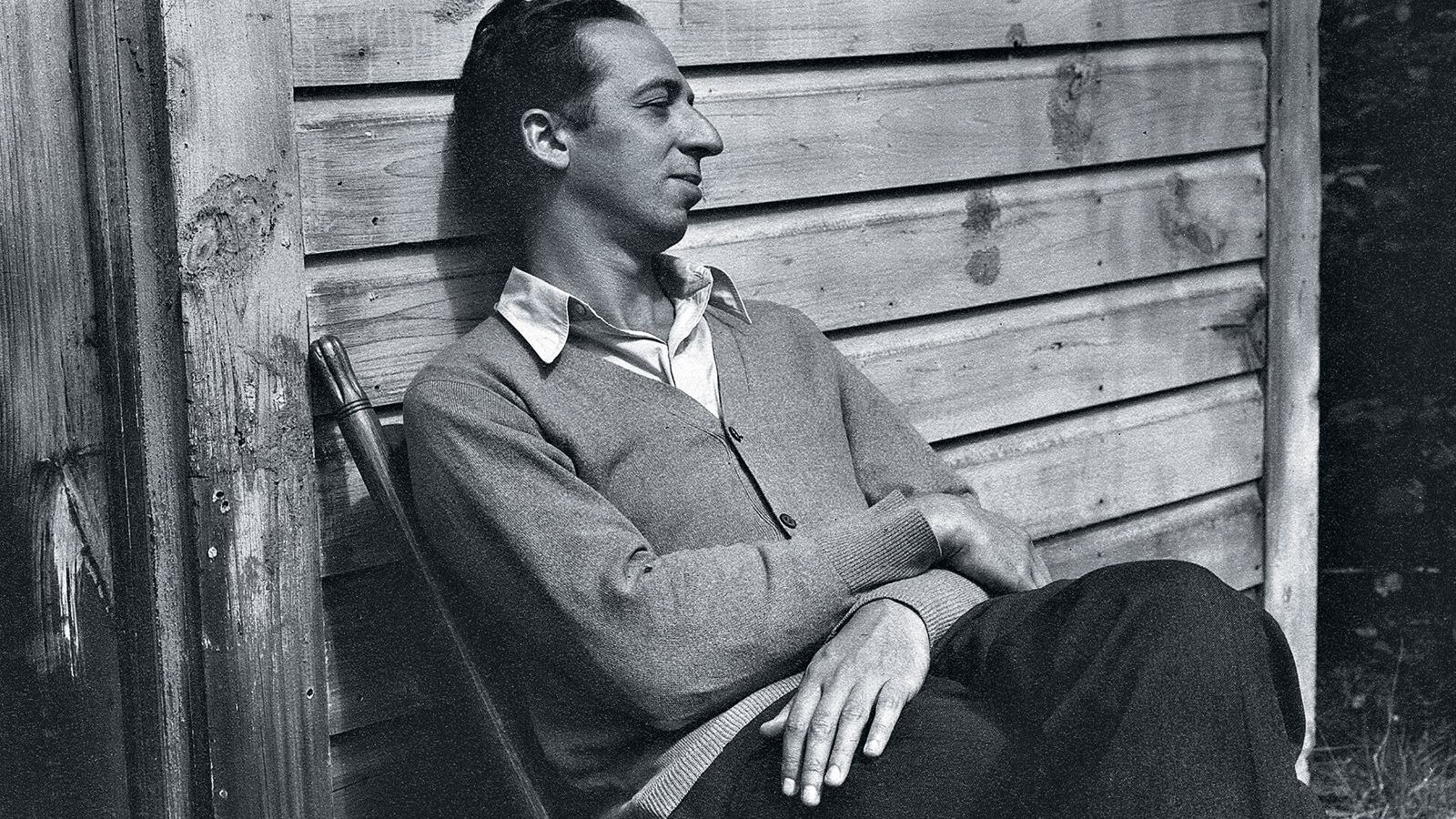
At Koussevitzky’s request, Copland composed the Symphony for Organ and Orchestra in 1924. The premiere was polarizing; at the time, modern music struck audiences as audacious, even dangerous. Following one performance, conductor Walter Damrosch famously joked:
“If a young man at the age of twenty-three can write a symphony like that, in five years he will be ready to commit murder.”
However, it was exactly these kinds of works that blazed Copland’s trail into the upper echelons of the music world.
Copland’s American Modernism
When Aaron Copland returned from Paris, he was no longer just a talented student of the European school. He came back with a singular ambition: to create music that sounded authentically American.
His early post-Paris works, Music for the Theatre (1925) and Piano Concerto (1926), pulsed with the jazz rhythms of the big city. Copland sought to weave the noise of Broadway, the syncopation of jazz clubs, and the freedom of improvisation into academic scores. Yet, over time, he felt that jazz in these compositions was more of a symbol of America than his true inner voice.
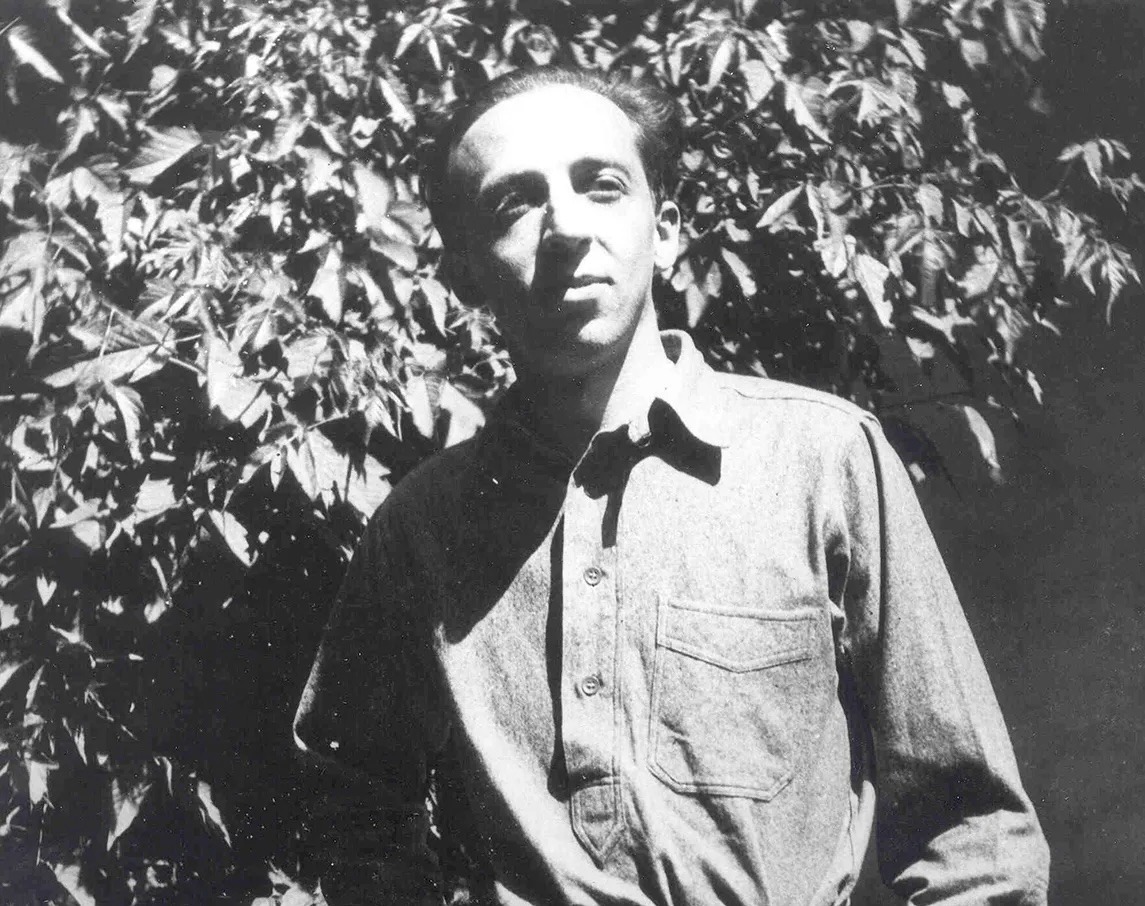
In the early 1930s, the composer pivoted sharply. This era gave birth to the Piano Variations (1930), Short Symphony (1933), and Statements for Orchestra (1933–35). The music became harsher, almost ascetic. Audiences weren’t just surprised by its complexity, but by its stark simplicity and sonic nakedness.
At the same time, Copland became a central figure in organizing American musical life. Alongside Roger Sessions, he co-founded the Copland-Sessions Concerts in New York to champion contemporary American music. He mentored young composers, collaborated with peers, and built a creative community. Copland was in a state of constant evolution—and his strength lay in that very capacity for transformation. He wasn’t afraid to experiment, and he was even less afraid of being misunderstood. That was his true revolution.
A Decade of Triumph: How Copland “Scored” America
The late 1930s and 1940s were a victory lap for Aaron Copland. During this era, he composed the scores that made him a household name far beyond the U.S. and solidified his reputation as the man who managed to “sonify” America.
The turning point was his 1936 work, El Salón México. Inspired by a trip to Mexico City and the vibrant atmosphere of a local dance hall, Copland utilized Mexican folk melodies and rhythms. His goal wasn’t just exoticism; he aimed to capture the very spirit of the people—their dignity, their modesty, and their humanity. This marked a new chapter: the composer began leaning into folklore as a vital, living source for modern music.
This approach reached its peak in three ballets that became 20th-century classics:
- Billy the Kid (1938) – Captured the romanticized world of the cowboy West.
- Rodeo (1942) – Channeled the raw energy of the ranch and traditional folk dances.
- Appalachian Spring (1944) – Commissioned by choreographer Martha Graham, this became his undisputed masterpiece. It featured a simple Shaker melody, “Simple Gifts,” which transformed into a symbol of American spirituality. Copland was awarded the Pulitzer Prize for this work.
Simultaneously, Copland conquered Hollywood. His scores for films like Of Mice and Men, Our Town, The Red Pony, and The Heiress set a new benchmark for cinema—understated, evocative, and designed to heighten the drama rather than overpower it. He won an Academy Award for The Heiress, and his technique became the gold standard for generations of film composers.
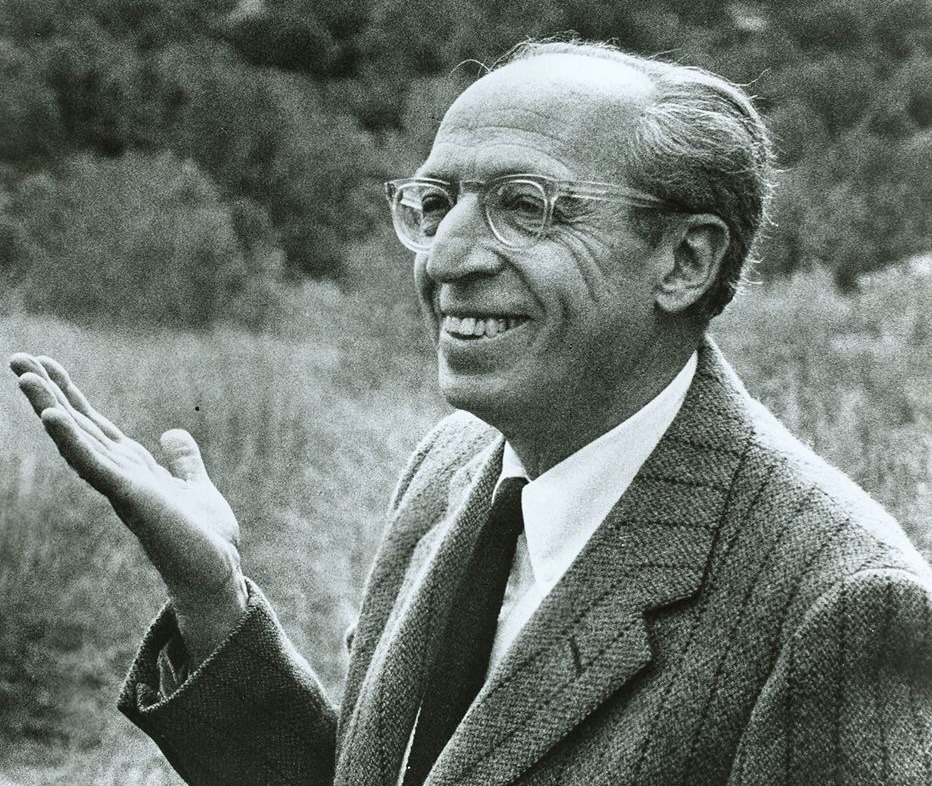
Despite some peers accusing him of “oversimplifying,” Copland was adamant: his new style wasn’t a compromise, but a deliberate search for a natural, “homegrown” musical language. He wanted modern music to belong to a broad audience, not just a small circle of insiders.
“What I was trying to achieve in those simpler works was a connection with a larger audience. I like to think I touched upon a kind of musical naturalness that we all really need.” — Aaron Copland
During this golden age, he wrote for radio, schools, and chamber stages, published books, and championed other American composers. But it was the ballets and film scores that gifted the world the “Copland sound”—vast, clear, and filled with the sense of an open horizon. He didn’t just write hits; he crafted a musical image of a nation that we still associate with “America” today.
A Legacy Set in Stone: Copland’s Formula for Life
In his later years, Copland’s perspective on American identity in music matured. He remarked:
“I no longer feel the need to seek out a conscious Americanism. Since we live and work here, we can be sure that as our music matures, it will be quality American music.”
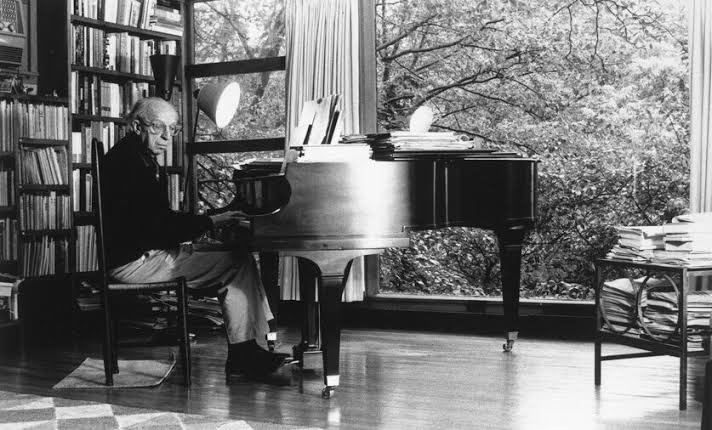
His later repertoire included the opera The Tender Land (1954), the vocal cycle Twelve Poems of Emily Dickinson (1950), and the orchestral work Nonet (1960). During this period, he pivoted toward the twelve-tone (serial) technique associated with Arnold Schoenberg. This led to sharper, more dissonant works like Piano Fantasy (1957), Connotations (1962)—written for the opening of the Lincoln Center in New York—and Inscape(1967). However, these serialist works received a cooler reception, and after 1970, Copland largely stepped away from composing to focus on conducting and lecturing.
The Washington Post critic Joseph McLellan famously called Copland “a kind of national monument”—a figure whose very presence was woven into the fabric of American cultural tradition. His lifelong friend, Harold Clurman, noted that Copland’s only real ambition was “to be remembered.” He succeeded by defining an unmistakable American style.
Copland’s personal life remained largely private. While musicologist Howard Pollack later noted that Copland was gay, he lived during an era where such openness was not socially accepted, and he carefully guarded his privacy. His inner circle included artist Alvin Ross, pianist Paul Moor, and photographer Victor Kraft.
Aaron Copland passed away on December 2, 1990, in North Tarrytown, New York. Over his lifetime, he received more than 30 honorary degrees and countless awards. His books, including What to Listen for in Music (1939) and Music and Imagination (1952), remain essential reading.
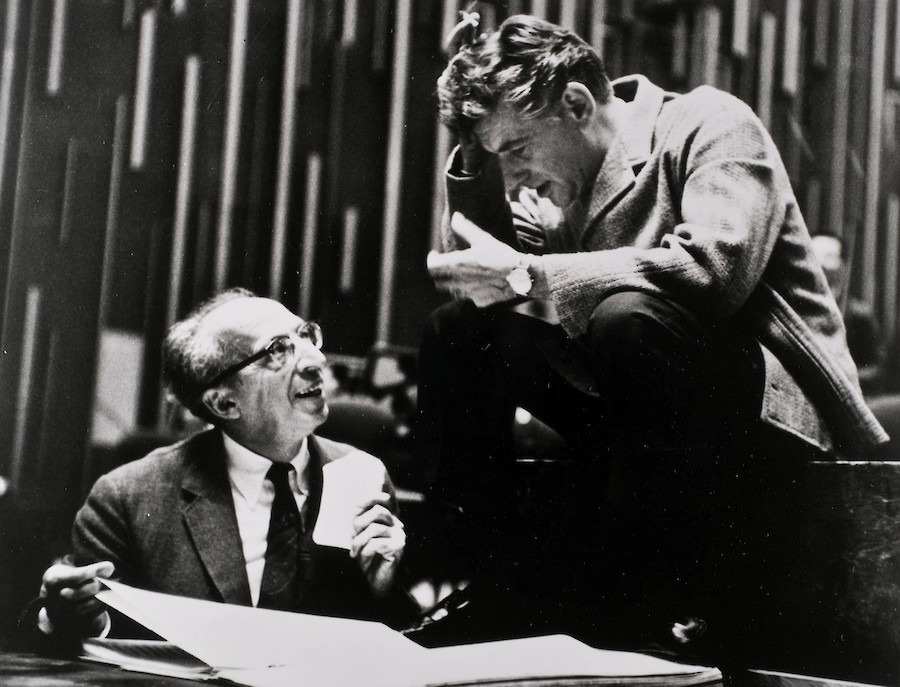
Copland’s contribution to the American musical tradition is definitive. By blending jazz, folklore, and classical rigor, he built a body of work that spans the orchestra, the ballet, and the silver screen. As a composer, conductor, and educator, he established the authority of American music on the world stage and paved the road for everyone who followed.