A true genius who bridged the gap between jazz and classical music, Gershwin became one of the wealthiest composers of his era. Though he passed away at just 38, he left behind a timeless body of work that sounds as fresh today as the day it was written. In this article on new-york-trend.com, we explore the life of George Gershwin—from his early Broadway hits and the triumph of Rhapsody in Blue to the creation of Porgy and Bess and his Hollywood masterpieces.
The Boy Who Heard Music in the Rain
The George Gershwin story begins long before his birth, with a journey across the ocean. In 1890, his father, Moishe Gershowitz—a native of Odesa—left his homeland to escape anti-Semitic sentiment and the threat of military service. In America, he became Morris Gershwin. Along with his wife, Rosa, he settled in New York, dreaming of a stable, respectable life for his children, preferably as teachers or businessmen.
But their son, born Jacob in 1898 (later known as George), had other plans. He grew up as a typical New York kid: running the streets, roller skating, and getting into the occasional bit of mischief. Music didn’t interest him at all—until the day he heard a violinist playing in a courtyard. It was the young virtuoso Max Rosen. The boy played with such soul that George stood mesmerized in the rain for hours just to meet him. A new passion was born.
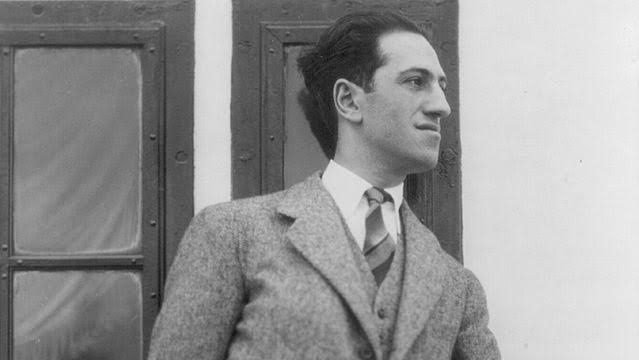
The parents eventually bought a piano for the eldest son, Ira. But in a twist of fate, it was George who took over the instrument. He found a mentor in the great educator Charles Hambitzer, who introduced him to the worlds of Beethoven, Liszt, and Debussy. Hambitzer was so struck by the boy’s talent that he refused to accept payment for the lessons.
At age 15, George dropped out of school to work for the publisher Jerome H. Remick and Company on the legendary Tin Pan Alley. His job title was “song plugger”—someone who spends hours playing new songs for potential buyers, convincing them that a specific melody is the next big hit.
It was an exhausting but invaluable education. He learned to transpose on the fly, improvise, and read an audience. Meanwhile, he was recording piano rolls, accompanying vaudeville acts, and playing in New York’s late-night clubs.
Bringing Jazz to the Big Stage
In 1916, Gershwin saw his first song published, “When You Want ’Em You Can’t Get ’Em,” followed shortly by the piano piece “Rialto Ripples.”
The real breakthrough came in 1919 with the song “Swanee,” performed by the superstar Al Jolson. The track became a nationwide sensation, and Gershwin was transformed from a talented pianist into a composer of national stature.
As conductor and critic Walter Damrosch would later remark:
“Gershwin made a lady out of jazz. Like a fairy prince, he took Cinderella by the hand and presented her to the world as a true princess.”
By 1922, Gershwin made a bold move beyond musical comedy with Blue Monday, a one-act jazz opera. It was an experiment that would serve as a precursor to his most ambitious visions.
Blue Monday caught the attention of the “King of Jazz,” bandleader Paul Whiteman. Whiteman asked Gershwin to write a large-scale concert piece for a jazz orchestra. To up the stakes, Whiteman announced the premiere in the newspapers before the piece was even written.
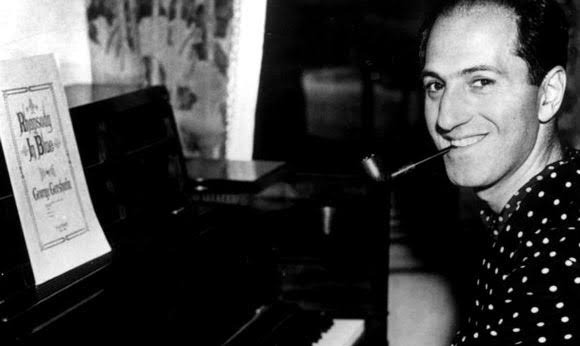
With only a few weeks to go, Gershwin produced the work that changed American music forever: Rhapsody in Blue. In this masterpiece, jazz and the symphonic tradition didn’t just meet—they fused into one.
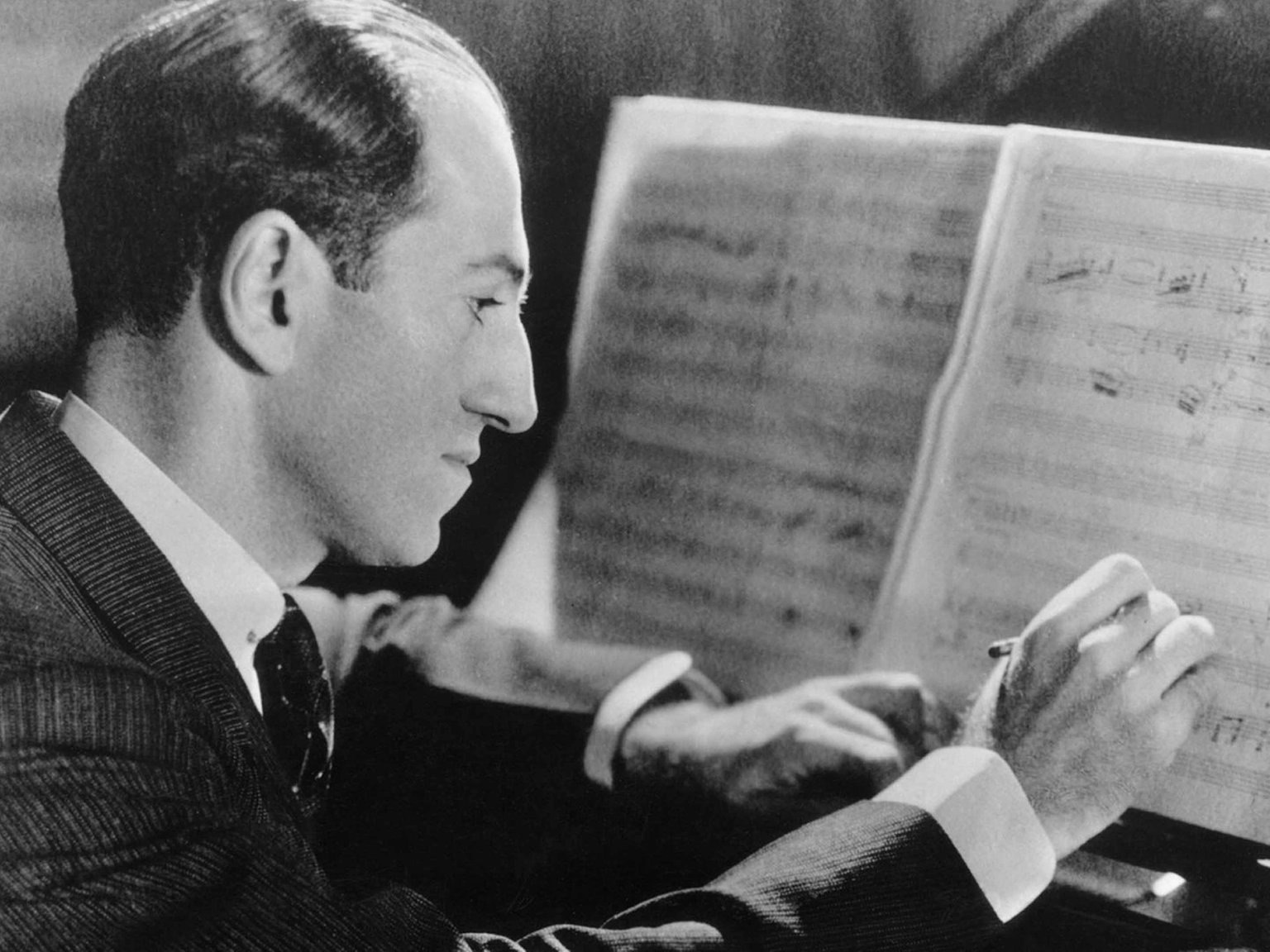
It was the realization of an idea he had been nursing for years: proving that popular music could stand on the world’s most prestigious stages and be recognized as high art without apology.
The Gershwin Brothers: Rhythm, Satire, and Grand Opera
The Gershwin brothers formed a one-of-a-kind partnership: one thought in melodies, the other in words. Together, they proved there was no gap between Broadway and the opera house. By the late 1920s, the tandem of George and Ira Gershwin was working at a blistering pace, hitting the mark every time.
In 1929, they debuted the musical Show Girl, followed a year later by the explosive Girl Crazy. It was there that two songs destined for immortality premiered: “Embraceable You,” performed by a young Ginger Rogers, and “I Got Rhythm,” which became one of the most foundational standards in jazz history.
In most songwriting duos, lyrics come first. With the Gershwins, it was the opposite. George would improvise melodies—sometimes in mere minutes—scribbling dozens of sketches in his notebooks and marking the best ones as “g.t.” (good tune).
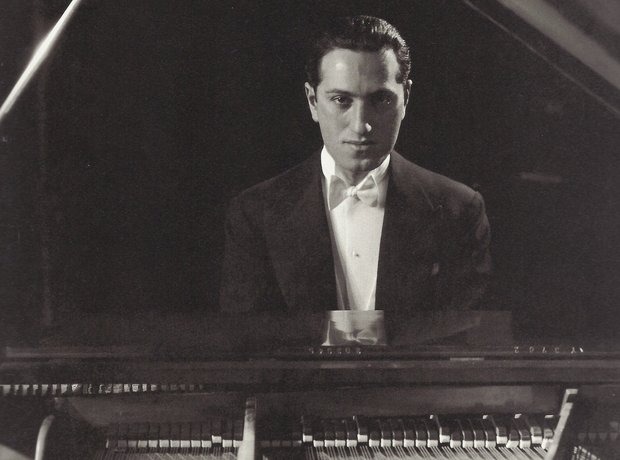
Ira, meanwhile, would spend weeks polishing the lyrics, meticulously fitting every syllable to George’s complex rhythmic patterns. Colleagues called him “The Jeweler.” When reporters asked the age-old question,
“Which comes first, the words or the music?” Ira would famously joke, “The contract.”
In 1931, the satirical comedy Of Thee I Sing took Broadway by storm. A bold parody of American politics, it became the first musical ever to win the Pulitzer Prize for Drama. Due to the rules at the time, the composer couldn’t be honored alongside the lyricists. Ira was outraged on his brother’s behalf, but George insisted: “Rules are rules.”
Earlier, in 1925, the New York Symphony Society had commissioned a major work from George. He admitted he had never written for a full symphony orchestra and even bought textbooks to study classical form. The result was Concerto in F, a three-movement piece that remains one of the most popular American piano concertos in history.
In 1934, author DuBose Heyward invited Gershwin to South Carolina. George spent the summer there, soaking in spirituals and observing life in the African American community. This inspired Porgy and Bess—a work that defied categorization from the start. Was it an opera? Was it a musical? Theater critics loved it; music critics argued over it.
Time eventually settled the debate. After its 1935 Boston premiere and subsequent national tours, it became the first American opera performed at Milan’s legendary La Scala in the 1950s. Once criticized for being “too jazzy,” Porgy and Bess is now considered Gershwin’s crowning achievement—the moment America finally heard its own multifaceted portrait in song.
From Triumph to Silence: Gershwin’s Final Chord
By the time he was 30, George Gershwin was already a millionaire—one of the highest-paid composers in history. It seemed the only way was up. Broadway, concert halls, and Hollywood were all beckoning.
Following the commercially challenging run of Porgy and Bess, George moved to Hollywood to write for film studios like RKO Pictures, notably scoring Shall We Dance starring Fred Astaire and Ginger Rogers. In California, he famously struck up a friendship with Arnold Schoenberg; the two giants—one the face of jazz, the other of avant-garde classical—frequently met on the tennis court.
Working with Ira, George produced a string of hits for films like A Damsel in Distress and The Goldwyn Follies. These sessions birthed standards that remain the backbone of the Great American Songbook:
- “They Can’t Take That Away from Me”
- “Let’s Call the Whole Thing Off”
- “Nice Work If You Can Get It”
- “A Foggy Day”
- “Love Is Here to Stay”
Yet, at the height of this new success, the first warning signs appeared. In early 1937, George began complaining of severe headaches and a strange symptom: he would smell burning rubber when nothing was alight. These olfactory hallucinations were a classic sign of brain trauma, but they went misunderstood.
On February 11, 1937, George was performing his Concerto in F with the San Francisco Symphony when he suddenly lost coordination. For a virtuoso of his caliber, it was unheard of.
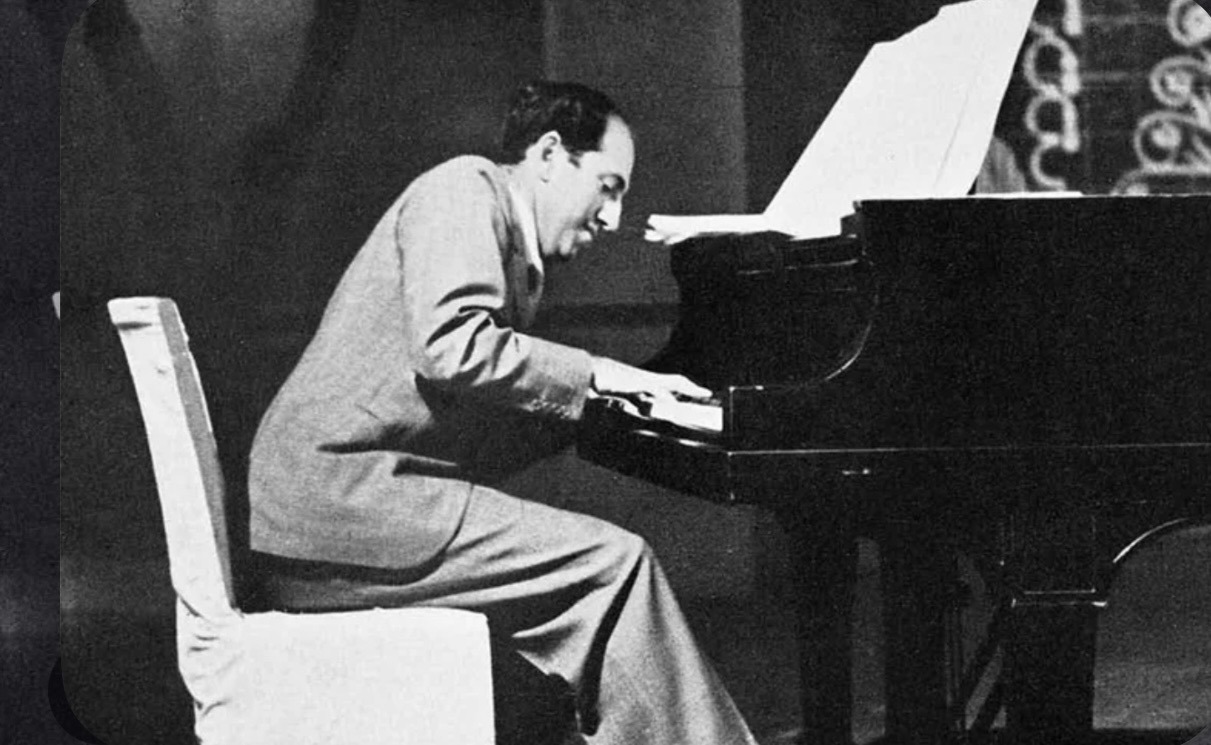
On July 9, 1937, Gershwin collapsed at a friend’s home. He was rushed to Cedars of Lebanon Hospital in Los Angeles, where doctors diagnosed a brain tumor—a glioblastoma. The country’s top neurosurgeons were summoned, and an emergency operation was performed on July 11. Though the tumor was removed, George never regained consciousness. He was only 38 years old.
George was laid to rest at Westchester Hills Cemetery near New York. The following day, Arnold Schoenberg offered words that served as the ultimate epitaph:
“Music was to him the air he breathed, the food which nourished him, the drink that refreshed him… His work was a contribution not only to American music but to the music of the whole world.”
Gershwin is rightfully celebrated as both a classical and a jazz master. In his music, these worlds fused seamlessly. He proved that jazz belonged in the concert hall and that the symphony could breathe with the rhythm of the city.
His music hasn’t aged; it hasn’t become “retro.” It still feels modern because it contains a specific nerve, a sense of freedom, and melodies that refuse to be forgotten. Perhaps the greatest lesson of his life isn’t just in the notes. We often think there is plenty of time—that everything is still ahead. But art is a way to defeat time. In that sense, George Gershwin is still very much alive.