This is the story of an actor who never stops. He constantly finds a new stage, a new genre, and a new story, but always returns to the main thing: the art of live performance, where every role becomes part of his creative legacy. He can be compared to Leonardo DiCaprio. An actor the whole world knew, yet waited years for his coveted “Oscar.” Similarly, Danny Burstein only won his first Tony Award in 2021, while the entire theatrical world had been celebrating him for decades. Read on new-york-trend.com for the life and creative journey of this actor.
The Path to the Stage
Danny Burstein was born in Mount Kisco, but he spent his true childhood in the whirlwind of New York life. When the boy was just two months old, his parents divorced; he was raised by his mother, artist Virginia, and his stepfather, Harvey Burstein—a professor of Greek philosophy. Their family combined different cultures: his mother was Costa Rican of Spanish descent and a Catholic, while his stepfather was Jewish. Danny grew up between two traditions, celebrating both Jewish and Christian holidays, which taught him openness and flexibility from an early age.
The boy attended the High School of Performing Arts—the legendary alma mater of Liza Minnelli, Ben Vereen, and Al Pacino. But his path there started much earlier, almost by accident. Little Danny wasn’t very fond of reading; he’d start and quickly lose interest. But everything changed when his father gave him a play. Danny discovered that dialogue was a live conversation, jokes, and thoughts being born in the moment. He fell in love with dramaturgy from the very first line and began devouring plays one after another.
It was his English teacher, directing a school play, who first saw the performer in him.
“Want to act? Then you need to learn a couple of monologues,” he said.
“Great! What’s a monologue?” the future actor sincerely replied.
This humorous episode became the starting point.
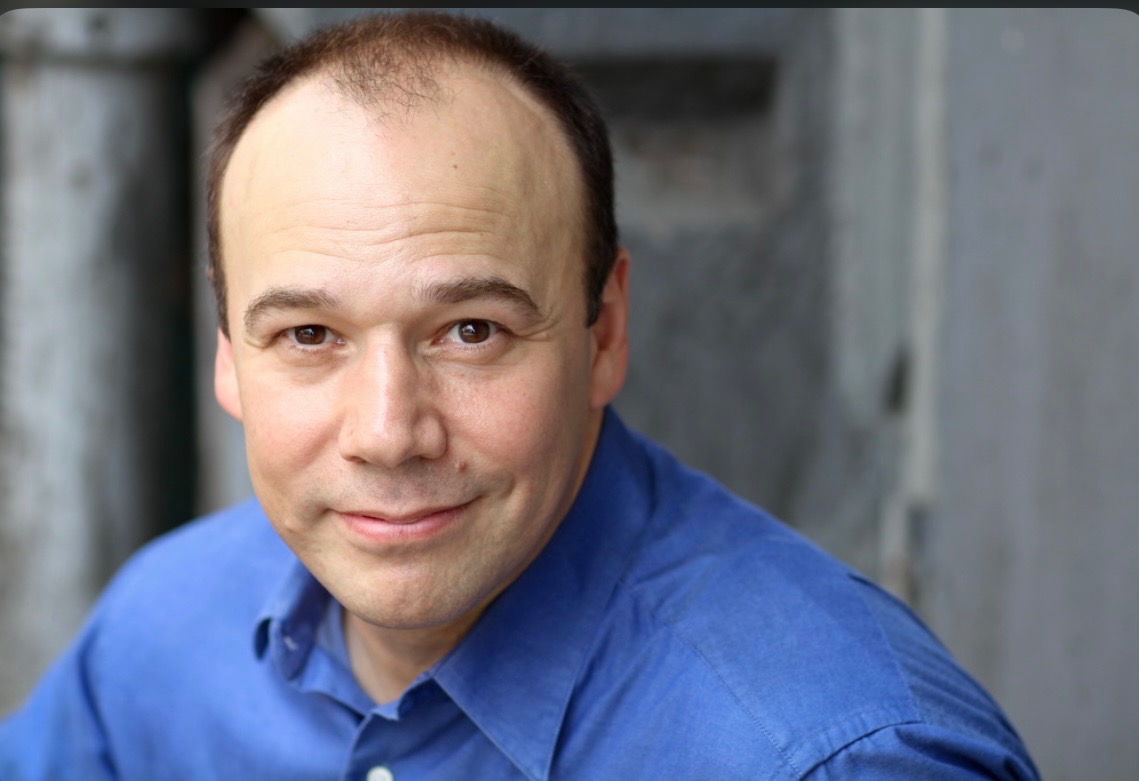
Danny diligently prepared for the arts high school admission, studying monologues so thoroughly that he would even wake up in the middle of the night and recite them by heart. Out of more than 4,000 applicants, only 127 students were selected—and he was among them. His father had to open the acceptance letter because Danny’s own hands were trembling with excitement.
Discipline at the school was severe:
“If you are not absolutely sure you want to be an actor for the rest of your life, the door is right there!” the department head declared on the very first day.
But Danny stayed. The summer after his freshman year, he even worked as an extra in the famous movie Fame, which was being filmed right at his school. After high school, Danny performed in community theaters and summer stock stages in New Hampshire. His first acting fee was only $200 for the entire season.
Burstein later graduated from Queens College in New York, where he landed his first professional job—in the chorus of The Music Man. Next came a master’s degree from the University of California, San Diego, where he finally established himself on stage as an actor for whom theater was not a job, but a vocation.
The Journey to Broadway Mastery
Throughout the 1990s, Danny Burstein literally lived on stage, moving from one role to another, from drama to musicals, from classics to new works. Gradually, he found himself among the actors whose names were spoken with respect in theatrical circles.
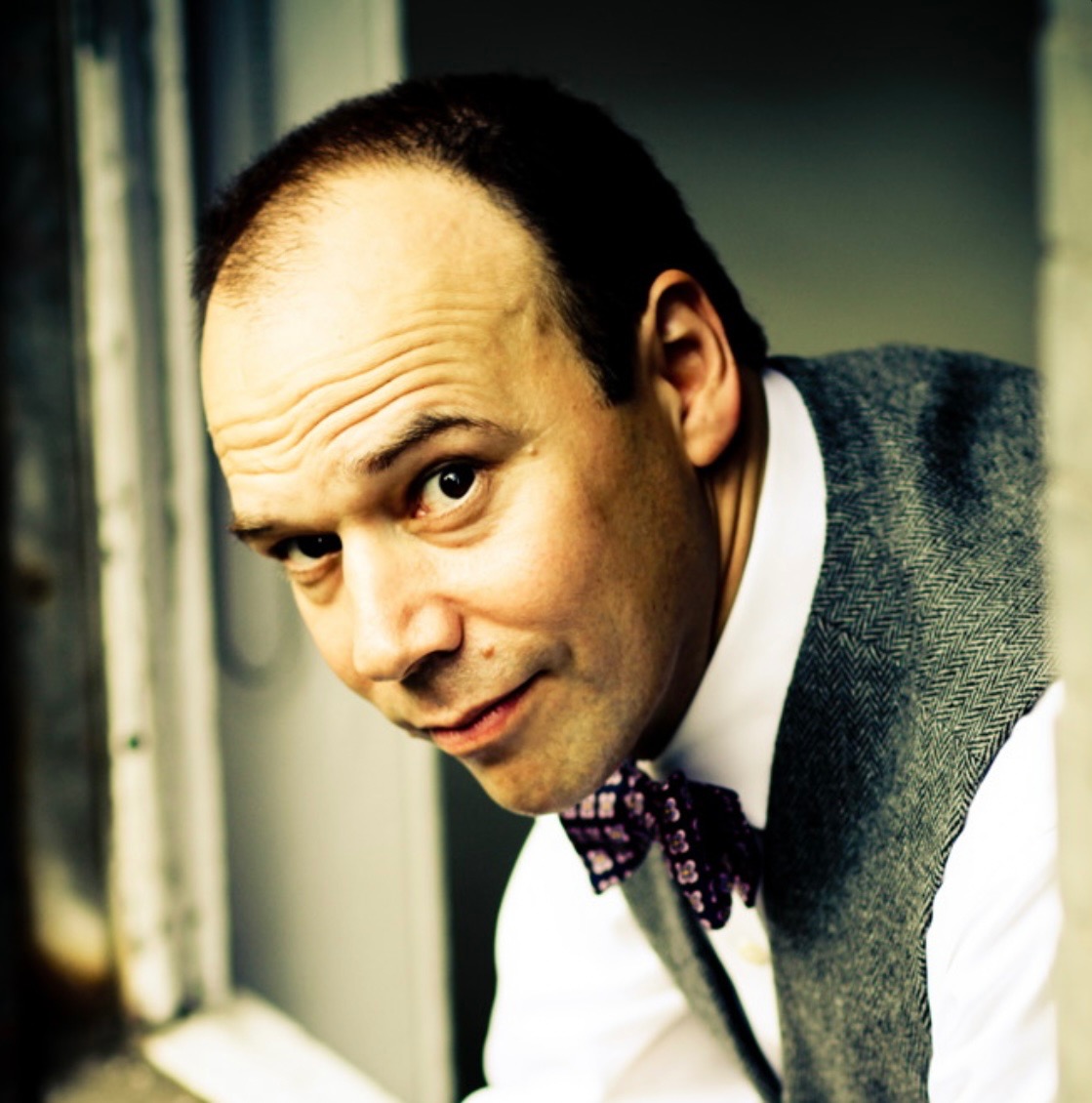
Danny easily switched between genres: one day it might be a historical drama like Saint Joan, and the very next season—a lighter, playful comedy like Three Men on a Horse. This flexibility was his strength; directors knew Burstein could nail any role.
The middle of the decade brought new challenges. In the production of Company, Danny played Paul, giving the character warmth and subtle humor, while in the massive musical Titanic, he became Officer William Murdoch—a stern, responsible, tragic figure. This role cemented his status as a strong dramatic actor.
In parallel, Burstein actively performed Off-Broadway. He participated in world premieres of new plays—for example, Rajiv Joseph’s pointed Describe the Night or the satirical Mrs. Farnsworth.
A New Era of Creativity After 2000
After the turn of the millennium, Burstein became the kind of actor who seemed to be constantly at the center of the theatrical movement. He easily transitioned from Broadway to film, from television to opera, and then back to the stage.
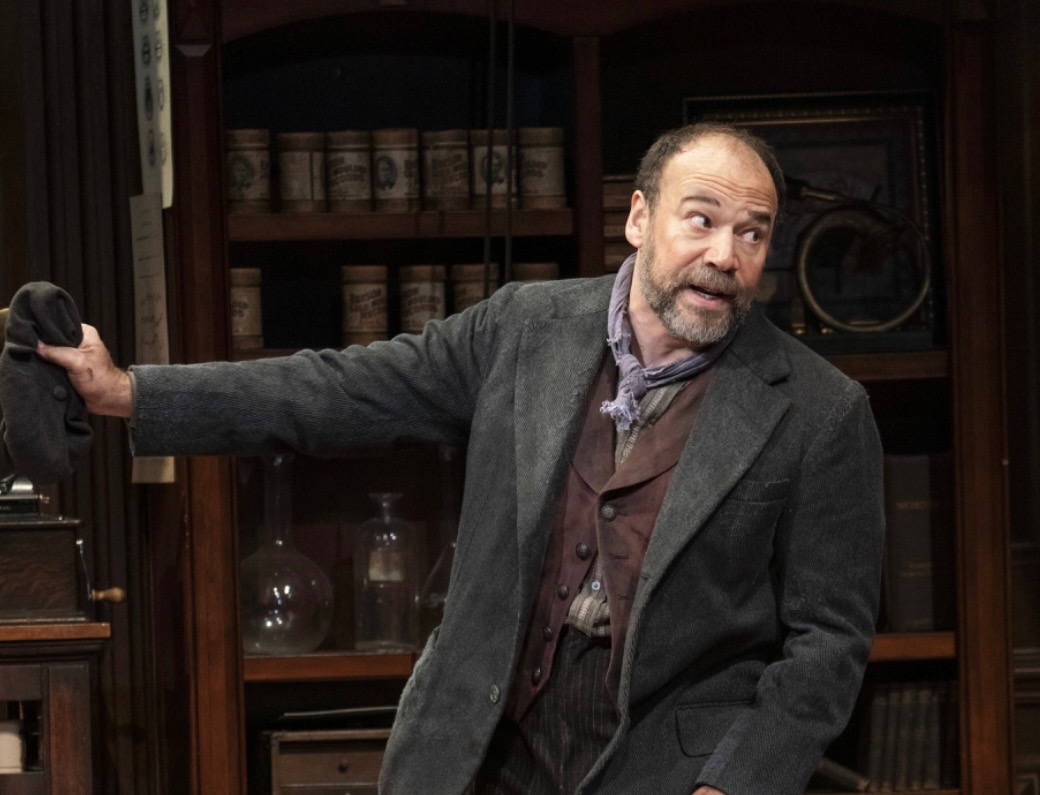
One of the most striking episodes of this phase was the role of Buddy Plummer in the musical Follies—first at the Kennedy Center, where his partners included Bernadette Peters and Jan Maxwell. The production was wildly popular; Burstein continued to play Buddy after the show moved to Broadway, and subsequently in Los Angeles. For this role as Buddy, he received two prestigious awards—the Drama Desk and Outer Critics Circle—as well as a Tony Award nomination.
Alongside the theater, Burstein confidently entered the world of cinema. Since the early 2000s, he has appeared in a number of films (Transamerica, The Family Fang, Blackhat, Affluenza, etc.). He often chose non-obvious, psychologically complex roles—films where character matters more than effects.
Television provided the actor with no less opportunity. He appeared in series such as The Good Fight, Dr. Death, Evil, Fosse/Verdon, The Blacklist, Madam Secretary, The Good Wife, and others. Burstein even worked in a field few theater veterans regularly venture into—voice acting for video games, including Grand Theft Auto: San Andreas, GTA IV, Manhunt 2, and Neverwinter Nights 2. Furthermore, Danny made his debut at the Metropolitan Opera, playing Frosch in Die Fledermaus.
In parallel, he became a mentor. Burstein served on the Kennedy Center’s Artists Committee and taught at the Yale School of Drama, New York University, Juilliard, UCSD, and Queens College.
In 2021, Danny finally won the coveted Tony Award for Best Featured Actor in a Musical for Moulin Rouge!. This confirmed that over thirty years of work on stage had paid off.
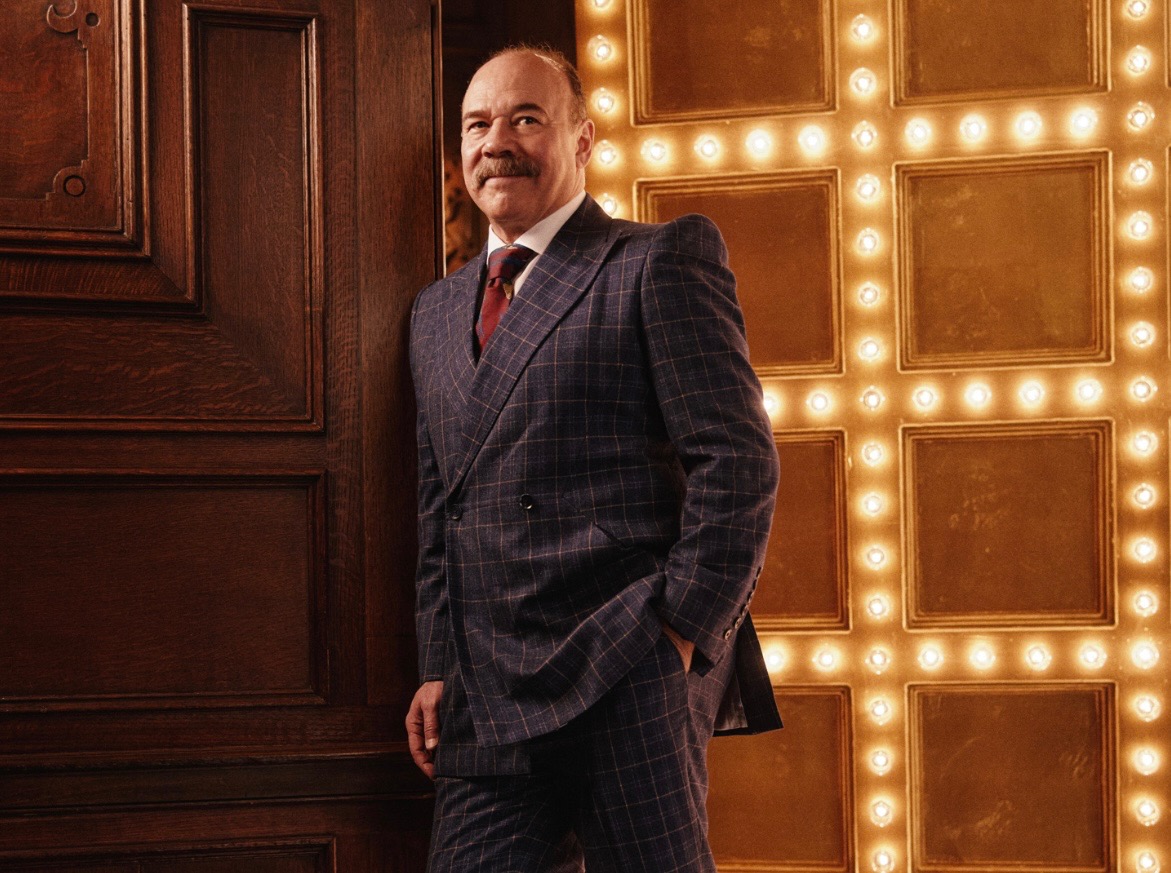
Meanwhile, Burstein’s voice was appreciated outside the theater—in 2021, he received an Audie Awardnomination for the audiobook version of Stephen King’s If It Bleeds.
In 2023, he returned to Broadway in Sharr White’s psychological drama Pictures From Home—an intimate, poignant story of family and memory. In 2025, he received another Tony Award nomination—this time for his role in Gypsy.
Personal Life and Loss
In June 2000, Danny Burstein married actress Rebecca Luker—one of Broadway’s brightest stars. Their marriage lasted twenty years, filled with mutual support, creativity, and warmth, until Rebecca passed away on December 23, 2020, after a difficult battle with ALS.
Before this, and prior to meeting Luker, Burstein had two sons—Alexander and Zachary.
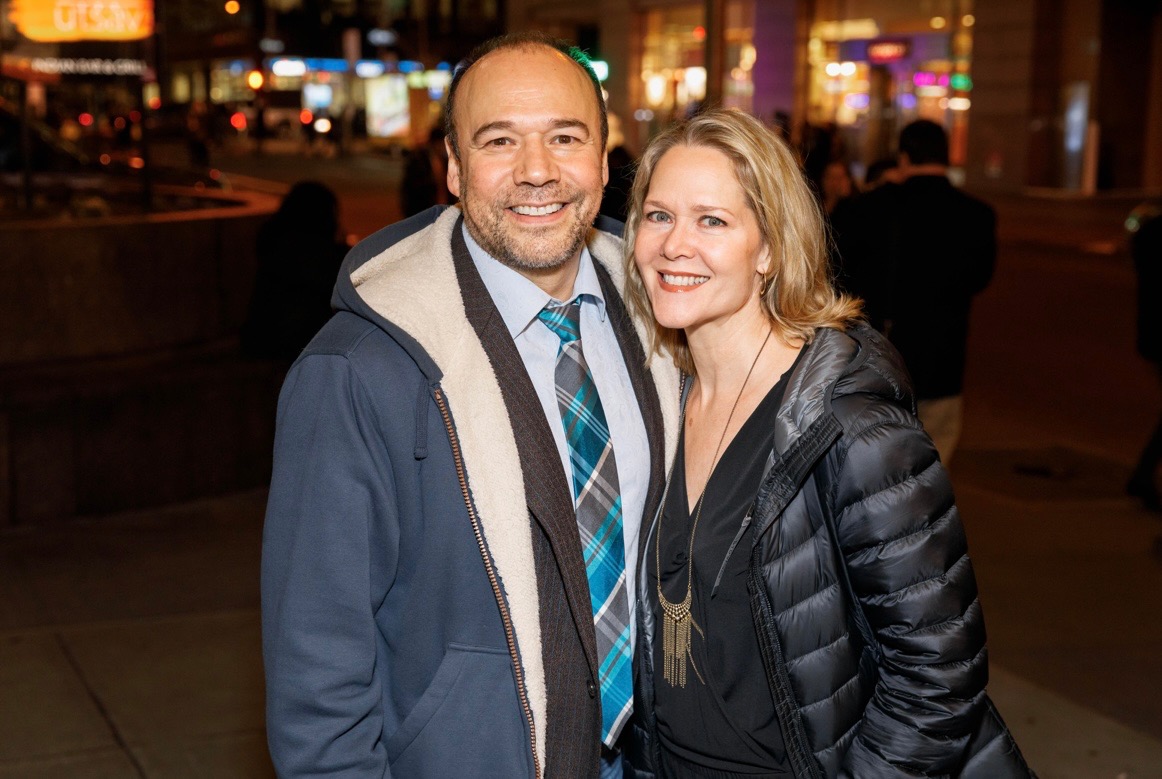
The year 2020 was a life-altering one for him. In March, when Broadway suddenly shut down all productions, Burstein was one of the first actors to contract COVID-19. He had a severe case and ended up in St. Luke’s Hospital, where people in neighboring rooms were literally dying before his eyes. While recovering, he simultaneously cared for his wife, who was battling another illness. Burstein candidly admitted that the experience of COVID and the loss of his wife taught him to live differently:
“You have to live as much as you can, and you have to keep going no matter what… Be kind. That is what remains. When you have a chance to do something good, take it and do it. When you have a chance to live a new experience, don’t hesitate.”
The actor is saved by work, movement, vocal exercises, walking in Manhattan, training—everything that keeps his body and mind from stopping. And travel. After Rebecca’s death, he went with his best friend to places he and his wife had dreamt of visiting together.
“That experience taught me how finite our time is. I want to be as kind as possible, do good things, laugh, love, and live loudly.”
Despite his losses, Burstein returned to the theater. He recounted that the reunion of the South Pacific cast was particularly meaningful. Being back on stage became a symbol for him that “you can go home.” He sang “Nothing Like a Dame” again—and it reminded him that life goes on.
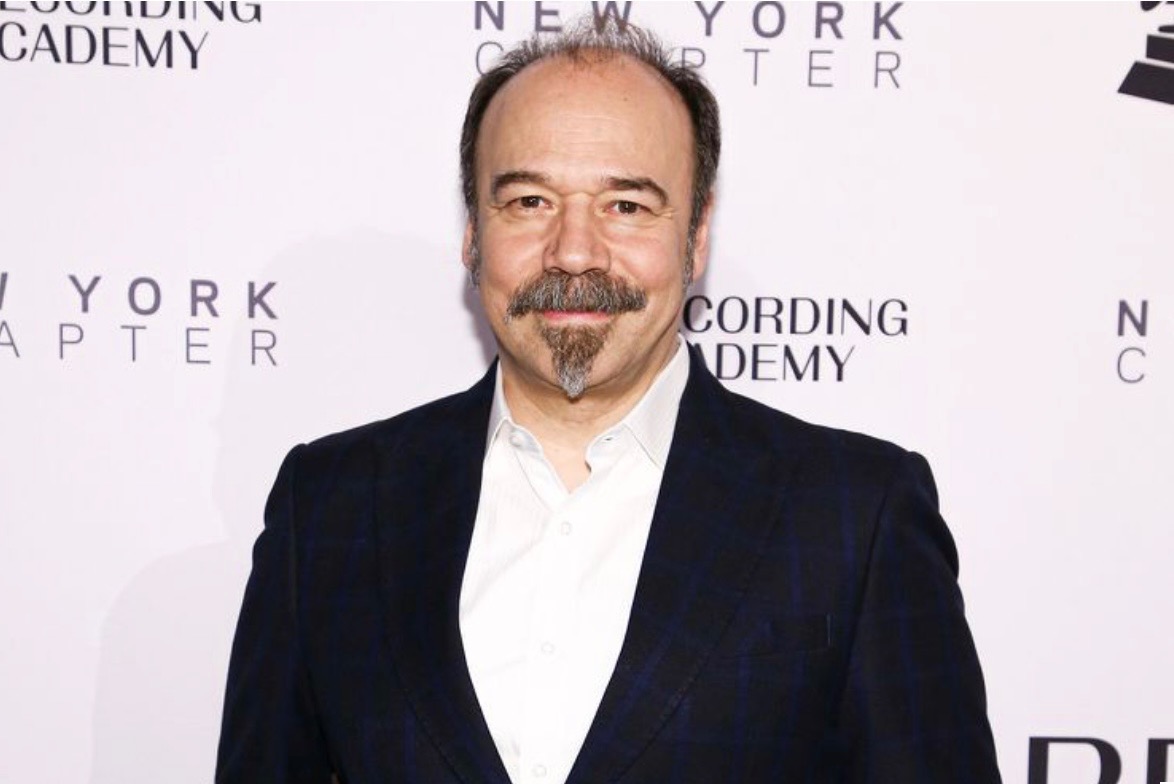
Danny Burstein endured the heaviest blows but did not let them define him. He doesn’t hide his losses; he turns them into a reminder that life is short, and the most important things are love, kindness, and the courage to live on.